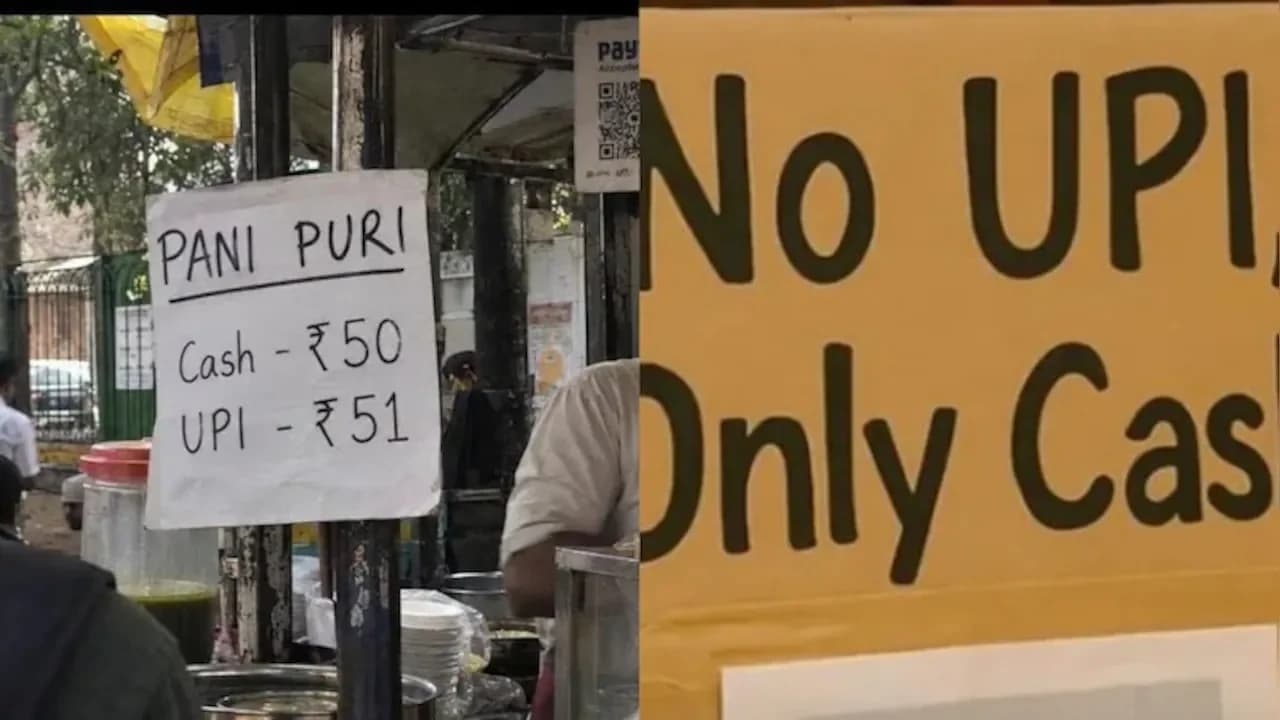
Karnataka Chief Minister DK Shivakumar has strongly criticized the Centre's decision to impose 0.4% Merchant Discount Rate (MDR) on UPI transactions, calling it "pickpocketing of every section of society" and an "insult to every common man." According to The Hindu BusinessLine, Shivakumar demanded that the Centre withdraw the proposed charge, arguing that while the MDR would technically be imposed on merchants, businesses could eventually transfer the additional expense to customers through higher prices. The criticism comes as several Opposition parties have stepped up their objections, with Congress leader Rahul Gandhi describing the measure as a "UPI tax" and alleging that the Centre's decision was influenced by pressure from the US. Congress General Secretary KC Venugopal accused the government of "bowing to US pressure" and claimed it could "toe the US's line and surrender to Washington."
The industry body has conducted a detailed cost analysis, revealing that UPI transaction value is approximately ₹328 lakh crore with total expenditure of around ₹20,700 crore for operating the ecosystem. As reported by The Hindu BusinessLine, this works out to approximately 0.06 per cent of the total transaction value. AICPDF argues that if a sustainable funding mechanism is necessary, the cost should be equitably distributed across the ecosystem rather than disproportionately burdening traders operating on extremely thin margins. The Centre has clarified that MDR proceeds will be distributed among banks, payment application providers and other participants in the digital payments network to help meet expenses related to infrastructure, cybersecurity, fraud prevention and customer support.
The new framework is scheduled to come into effect from October 15, with a 0.4% MDR levied on person-to-merchant UPI payments exceeding ₹2,000. For transactions of ₹75,000 or more, the charge will be capped at ₹300. According to The Hindu BusinessLine, consumers will continue to make UPI payments without paying a transaction fee directly, while person-to-person transfers and merchant transactions below ₹2,000 will remain outside the levy. The framework also provides an exemption for small merchants receiving up to ₹1 lakh per month through UPI QR codes. Cooking gas distributors are actively evaluating the impact of the flat ₹5 MDR on their operations, with the Telangana LPG Distributors Association planning to approach the government for exemption ahead of the October 15 implementation date.
The federation has specifically requested that B2B payments within the FMCG supply chain should be exempted as B2B supply-chain settlements. According to the statement reported by The Hindu BusinessLine, retailer-to-distributor and distributor-to-company payments are commercial settlements where the distributor has already supplied goods, provided credit, carried inventory, and assumed collection risk. AICPDF argues that applying MDR at multiple stages could create repeated transaction costs within the same supply chain, requesting complete exemption from MDR for these B2B transactions. The industry body has also highlighted inconsistencies in government policy approach, noting that the government provides a flat ₹5 MDR instead of 0.4% for specified essential and thin-margin sectors including fuel, telecommunications, insurance, railways and agricultural inputs.
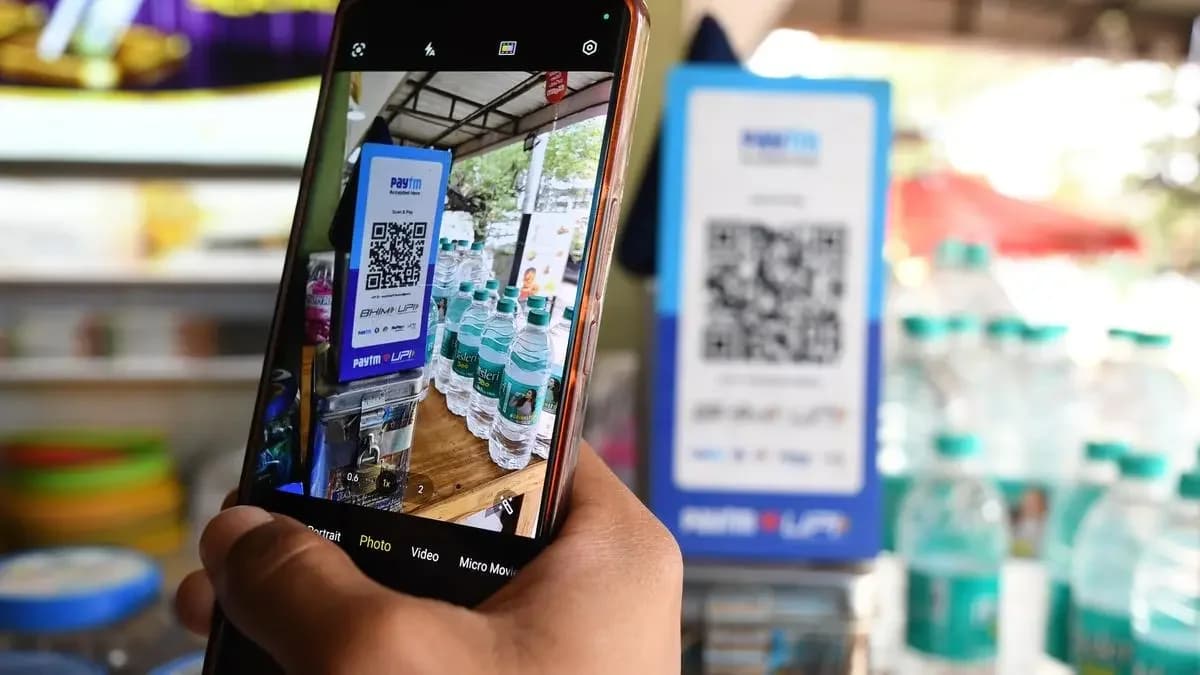
The Centre has rejected allegations that the UPI decision was influenced by foreign pressure, with the Finance Ministry describing such claims as "false" and stating that decisions concerning UPI were being taken independently. Authorities have advised banks to ensure that merchants do not recover the MDR directly from customers. However, with Opposition parties calling for the decision to be withdrawn and the Centre maintaining that there will be no rollback, the proposed MDR is likely to remain a contentious issue as the October 15 implementation date approaches. Shivakumar warned that the measure could undermine the country's push towards digital payments by making cash transactions more attractive, questioning why merchants should face additional costs when successive governments have encouraged digital payment adoption.