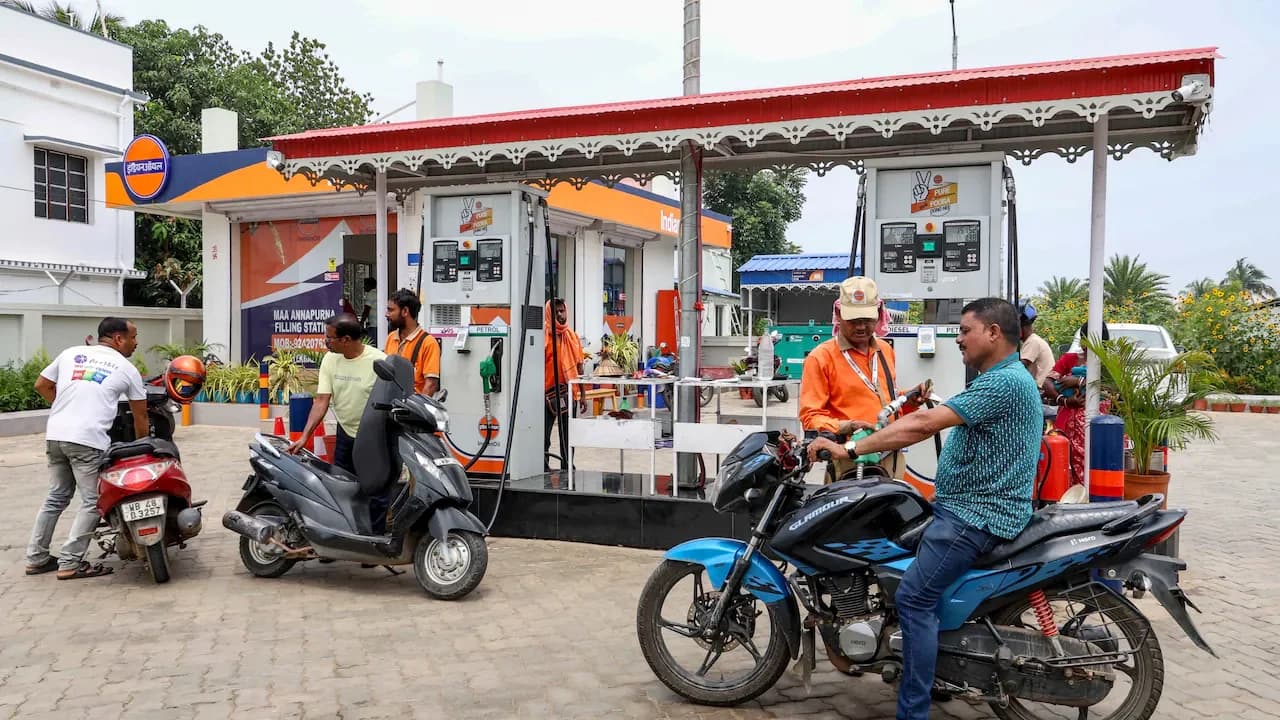
Leading retail industry bodies are expressing serious concerns that the proposed 0.4% merchant discount rate (MDR) on UPI transactions above ₹2,000 will inevitably be transferred to consumers, either as new fees on bills or by incentivizing cash payments. Retail associations including the Retailers Association of India (RAI), All India Mobile Retailers Association, and the All India Consumer Products Distributors Federation warn that retailers operating on wafer-thin net margins of 0.75-2.5% have little room to absorb additional costs. As per The Economic Times, RAI chief executive Kumar Rajagopalan stated that "Micro, small and medium retailers who are already struggling with low margins and high operational costs will have no choice but to pass on the MDR to consumers in whatever form possible." The industry fears that retailers will either transfer the charges to consumers as new fees on bills or incentivize cash payments to avoid the additional costs.

The government is considering discontinuing subsidies for low-value Unified Payments Interface transactions following the introduction of merchant discount rate (MDR) on larger UPI payments, according to reports from The Economic Times. This strategic shift aims to move the payment ecosystem away from taxpayer-funded subsidies as banks and payment companies begin earning transaction-linked revenue from the network. The Centre has budgeted ₹2,000 crore for incentives on UPI and RuPay transactions in FY27, but no fresh subsidy has been paid for transactions undertaken since April 2025, as confirmed by people familiar with the matter. A senior banking official explained that the idea behind introducing MDR on larger-value UPI payments was to move the ecosystem away from taxpayer-funded subsidies, with the government not wanting taxpayers to continue subsidising payments made to large merchants.
The government's UPI incentive disbursements have experienced a dramatic decline, falling to ₹1,046 crore in FY25 from ₹3,631 crore in FY24, as reported by The Economic Times. A senior banking official confirmed that no fresh subsidy has been paid for transactions undertaken over the past year-and-a-half, marking a significant shift in the payment ecosystem's funding model. The government did not want taxpayers to continue subsidising payments made to large merchants, representing a fundamental change in how digital payment infrastructure is funded.
The government has announced a new framework for MDR of 0.4% on select high-value UPI merchant transactions, with the new regime taking effect soon, as reported by The Economic Times. This move aims to foster domestic competition and create a sustainable revenue model while protecting India's electronic payment ecosystem sovereignty. The framework prioritizes RuPay credit cards for UPI transactions and includes provisions for small merchants and certain transactions to remain exempt from the new charges. The government emphasizes protecting India's electronic payment ecosystem sovereignty through this strategic approach.