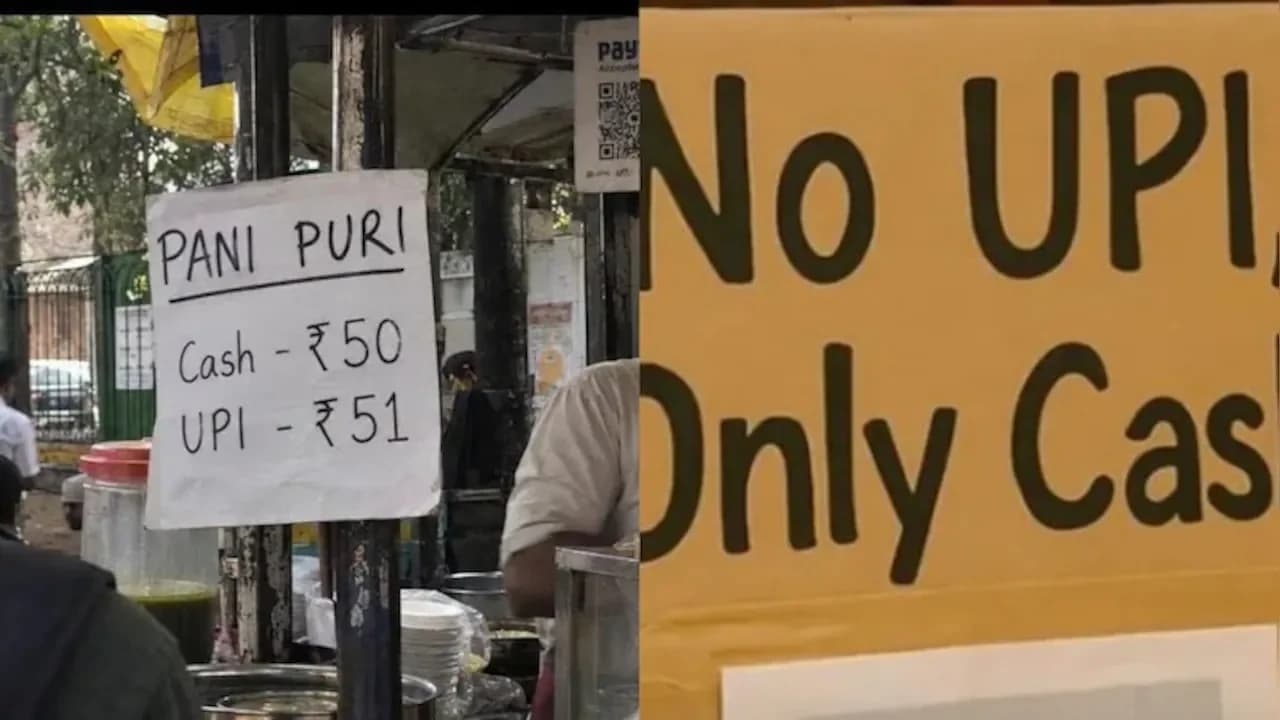
Kerala traders have announced plans to boycott UPI transactions on October 15 to protest the Centre's move to impose charges on such transactions. According to The Hindu BusinessLine, the Kerala Vyapari Vyavasayi Ekopana Samithi will lead this boycott, with state president Raju Apsara stating that small traders widely adopted UPI payment systems following the Centre's call to promote digital transactions. The protest comes as traders across India, including those in Ghaziabad, have been displaying notices stating 'UPI payments will not be accepted due to MDR charges. We accept cash payment only.' The boycott represents a coordinated effort by traders nationwide to resist the new fee structure that threatens to undermine the convenience of digital payments.
The proposed 0.4% MDR for specified person-to-merchant transactions above ₹2,000 has sparked significant concerns among traders. As per The Hindu BusinessLine, Kerala traders argue that GST on such transactions would put additional financial burden on them, with profit margins remaining limited amid intense competition. The additional fee on every transaction would increase operating costs and worsen the crisis faced by the sector. Akshay Kumar Gupta, owner of Vaishvi Jewellers in Crossings Republic, stated that his shop had put up a notice saying it would accept only cash after October 15, arguing that jewellery purchases at the store generally exceed ₹2,000 and that asking customers to pay in cash could inconvenience them. Beauty parlour owner Shahnaz similarly displayed a cash-only notice, citing concerns that the proposed charge could affect demand for services such as facials costing ₹2,000 or more. Sanjay Bindal, who runs a grocery store in Vijay Nagar, said the issue was especially relevant to his business, noting that purchases of ₹2,000 or more are not unusual for regular customers.
Under the framework clarified by the Ministry of Finance on September 15, a 0.4% MDR will apply to specified merchant UPI transactions above ₹2,000. According to NDTV, the charge will be paid by the merchant rather than the customer and will be capped at ₹300 for transactions of ₹75,000 and above. However, UPI payments between individuals will remain free, and person-to-merchant payments of up to ₹2,000 account for more than 95% of P2M transaction volume and will continue to attract zero MDR. This means a customer paying ₹1,500 at a shop through UPI will not face an additional charge. As reported by Noida News, traders said their worry goes beyond the cost of a single transaction — they fear a shift back to cash could undo years of convenience built up around digital payments, particularly for customers who no longer carry large sums of cash. The government does not expect the new MDR to push people back towards cash, with officials estimating that only around 4% of UPI transaction volume will be affected by the new levy.
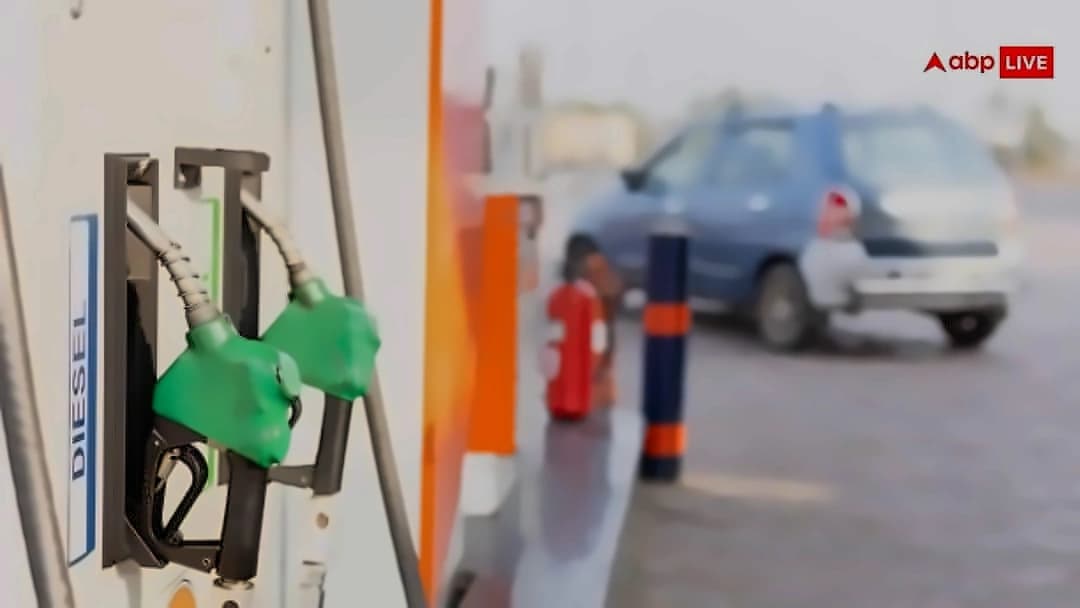
Petrol pump operators in Dehradun have joined the cash-preference trend amid MDR concerns. According to The Pioneer, petrol pump operators are not refusing UPI payments but are encouraging customers to use cash instead. A local resident encountered an incident where an attendant told him that UPI was not working and asked him to pay in cash, forcing him to visit a nearby ATM to withdraw cash. The shift towards cash appears linked to concerns over the additional cost dealers could face under the Union government's proposed MDR provision. The All India Petroleum Dealers Association (AIPDA) has taken up the issue with Union Petroleum Minister Hardeep Singh Puri and Petroleum Secretary Neeraj Mittal, requesting the ministry to reconsider the proposed MDR-related provision. Mittal acknowledged the association's concerns, stating that if the MDR cannot be reconsidered, petroleum product MRPs should be increased to accommodate the additional cost. For now, UPI payments continue to be accepted at petrol pumps in Dehradun, though some operators are actively encouraging cash transactions.
The Finance Ministry has stated that the framework is intended to support the long-term sustainability of the UPI ecosystem and provide financial support to participants such as banks, payment service providers and UPI app providers. As reported by NDTV, the framework was introduced under the Payment and Settlement Systems Act, 2007, following deliberations by the UPI Steering Committee. The government's concern is simple: if merchants start adding a separate 'UPI charge' to bills, customers could feel that UPI is no longer free, which could undermine one of the biggest advantages of digital payments. The Centre has, therefore, started discussions with payment aggregators and other platforms to ensure the MDR is not passed on to consumers, with banks also being advised to ensure that merchants do not transfer the cost. The government has not, however, publicly detailed exactly how this daily monitoring will work. Meanwhile, the district and city Congress units staged a symbolic protest at the residence of MP Atul Garg against the proposed MDR, presenting puja items and fruits worth over ₹2,000 as a 'return gift' for Prime Minister Narendra Modi's birthday. District president Satish Sharma said the government should address traders' concerns over the cost of digital payments, while city president Veer Singh Jatav called for dialogue with the trading community to keep digital payments accessible without imposing undue costs on merchants.