Prime Minister Narendra Modi's appeal to citizens to cut discretionary spending, conserve fuel, postpone gold purchases and embrace work-from-home practices has triggered a sharp national debate over whether the Indian economy is facing deeper structural stress than the government is publicly acknowledging. The remarks, made at a BJP event in Hyderabad against the backdrop of rising tensions in West Asia and fears of prolonged instability arising from the Iran–United States conflict, were framed by the Prime Minister as precautionary measures aimed at conserving foreign exchange and insulating India from external shocks. "Patriotism is not only about the willingness to sacrifice one's life on the border. In these times, it is about living responsibly and fulfilling our duties to the nation in our daily lives," Modi said, while stressing that India needed to save foreign exchange "by any means." The appeal comes at a delicate moment for the economy, with economists noting that India remains heavily dependent on imported crude oil, edible oil and gold, all of which place stress on the current account during periods of global turbulence.
Global crude oil prices have reportedly climbed from nearly USD 70 per barrel to around USD 126 per barrel amid fears of prolonged disruption near the Strait of Hormuz, one of the world's most critical oil transit routes. Nearly 20% of global oil trade passes through the corridor, which has witnessed disruptions due to ongoing geopolitical tensions in West Asia. Nitant Darekar, Research Analyst at Bonanza Portfolio, said PM Modi's push for work-from-home measures reflects the government's concerns over a prolonged oil shock and its likely impact on the economy and financial markets. As reported by LiveMint, Darekar noted that the Sensex and Nifty both corrected over 1% on Monday, Brent is back near US$105/bbl, and FPIs have already yanked out roughly US$5 billion in April, with the Nifty down nearly 9% so far this year. The rising global crude oil prices linked to instability in West Asia threaten to widen India's import bill and pressure the rupee, while household consumption — a key driver of economic growth — has shown signs of uneven recovery despite strong headline GDP numbers. India imports 90% of its oil and its crude bill has seen a multi-billion dollar spike since the US and Israel's war on Iran, with the Strait of Hormuz shut for more than two-and-a-half months now.
Government and industry sources indicated that fuel prices could be revised upward before May 15 if crude oil prices remain elevated. Key estimates under discussion reportedly include petrol and diesel prices increasing by ₹4-5 per litre, LPG cylinder prices rising by ₹40-50, and continued financial pressure on oil marketing companies. According to sources quoted by India Today TV, Indian Oil Corporation, Bharat Petroleum Corporation and Hindustan Petroleum Corporation are collectively facing monthly under-recoveries of nearly ₹30,000 crore due to elevated global crude prices. At current rates, the government and oil companies are estimated to be absorbing losses of approximately ₹24 per litre on petrol and ₹30 per litre on diesel in an effort to shield consumers from the full impact of the global price surge. India has so far avoided raising petrol and diesel prices at the pump despite mounting pressure on state-run fuel retailers, but the prolonged conflict and disruption to oil supplies have begun to strain the broader economy.
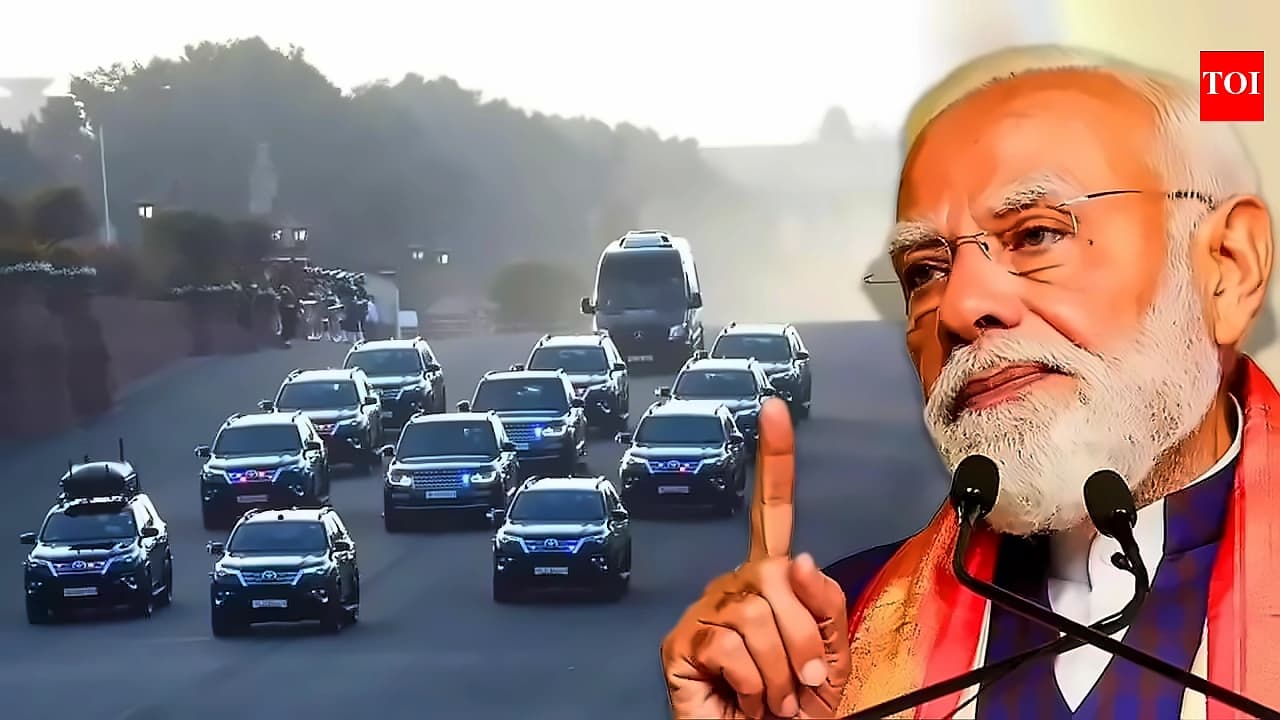
PM Modi's repeated appeals for energy conservation have drawn sharp criticism for the stark contrast between his message of austerity and his own packed schedule of roadshows and convoys. "Just as every drop fills a pot, every small and big effort matters. We must reduce the use of products that come from abroad and avoid unnecessary dependence on imported goods in our daily lives," Modi said at an event in Gujarat on Monday. However, critics have pointed to the irony of his fuel conservation message while conducting roadshows in Somnath and headed to Vadodara, making it three roadshows in 12 hours, as noted by other X users. In the five days prior to his speech, he had held five roadshows in total, including in Patna and Kolkata. The political row has intensified as opposition parties seize on the contradiction between the Prime Minister's austerity calls and his own travel patterns. Congress party leader Rahul Gandhi said the government was shifting "responsibility onto the people" and escaping accountability themselves, with Gandhi stating that "[Modi's suggestions] aren't sermons - these are proofs of failure."
Financial markets reacted sharply following the Prime Minister's remarks, with the benchmark Sensex index falling more than 1,000 points in early trade on Monday amid fears of prolonged economic disruption. Analysts described Modi's appeal as the "most drastic" so far, with markets generally disliking signals that hint at economic caution from the highest political level. Yadav questioned how India could realistically achieve its long-promised five trillion-dollar economy target if citizens were simultaneously being urged to cut spending and consumption, alleging that the government's statements would create "fear, panic, anxiety and despair" in markets and business circles. The political criticism taps into broader public anxieties over persistently high food prices, rising household expenses and concerns over employment generation, particularly after recent elections. Analysts say Modi's remarks indicate the government may soon issue some directives to curb energy use, with a price revision of petroleum products also potentially on the horizon. The effect has been most stark on the Indian rupee, which has hit record lows in recent weeks, increasing the cost of imports and adding pressure on inflation.