Prime Minister Narendra Modi's call for austerity measures comes as Brent crude has surged above $105 per barrel following intensified tensions between Iran, Israel and the United States. Addressing a gathering after inaugurating the Sardardham in Vadodara on Monday, Modi framed the appeal as an act of "economic patriotism" during a period of global uncertainty and supply-chain disruption. The Strait of Hormuz crisis, which has disrupted one of the world's busiest maritime oil routes for over two months, has severely affected global shipping and energy flows. India, which imports nearly 90% of its crude oil requirements from overseas, faces rising pressure on its current account deficit, inflation trajectory and foreign exchange reserves as oil prices climb and import bills swell. Modi remarked that adopting familiar austerity measures reminiscent of the Covid-19 pandemic was vital at this juncture, stating "Patriotism is not only about the willingness to sacrifice one's life on the border. In these times, it is about living responsibly and fulfilling our duties to the nation in our daily lives."
The austerity appeal comes amid foreign exchange reserves plummeting by $38 billion in just two months since the onset of the West Asia conflict, falling to $691 billion. This decline has been driven by sustained capital outflows from foreign institutional investors (FIIs), with FII outflows of ₹1.97 lakh crore in the January-May period as foreign investors continued their sell-off in stock markets. The rupee has also dropped below the 95 level to 95.21 against the US dollar. According to former RBI Governor D Subbarao, "For India, this is a critical vulnerability. Sustained high crude prices would widen the current account deficit and feed directly into inflation." The current account deficit has risen to $13.2 billion, or 1.3% of GDP, in the December quarter, according to RBI data released on March 2, 2026.
Modi's appeal includes multiple conservation measures across sectors: reducing petrol and diesel consumption through metro and public transport use, car-pooling, and shifting goods transportation towards railways. He encouraged adoption of electric vehicles and revival of Covid-era efficiency measures including work from home, virtual meetings and online conferences. The Prime Minister also urged citizens to avoid overseas vacations and destination weddings abroad to help conserve India's foreign exchange reserves. Additionally, he called for reduced edible oil consumption and urged farmers to lower chemical fertiliser usage by 50% while adopting solar-powered irrigation systems instead of diesel pumps. Modi specifically urged the public to shift to public transport, such as subways and buses, and consider carpooling to further conserve fuel. He also reiterated the need to minimise private vehicle use by using public vehicles and opt for carpooling instead, with private and government offices needing to prioritise virtual meetings and schools starting virtual classes for sometime.
Modi's request to citizens to avoid "non-essential" gold purchases for one year triggered the strongest market reaction, with jewellery stocks plunging sharply on Monday morning. Titan Company fell as much as 6.4%, while Kalyan Jewellers declined 8.3%. Sky Gold and Diamonds plunged over 12%, and Senco Gold dropped nearly 11%. The broader market also came under pressure, with the BSE Sensex falling over 1,000 points in morning trade and the Nifty50 slipping below the 24,000 mark amid concerns over rising crude prices and fears of economic slowdown. According to VK Vijayakumar, Chief Investment Strategist at Geojit Investments, sectors linked to discretionary spending and imports including aviation, hotels, jewellery, fertilisers and petroleum could face near-term sentiment pressure. The rising costs of fuel are placing stress on various sectors, with jobs at risk in industries that depend heavily on consistent supply chains, such as glass, plastic, and tile manufacturing. Gold imports have surged 24% to a record $71.98 billion in 2025-26, with the import bill nearly doubling from $35 billion in 2022-23 to $45.54 billion in 2023-24.
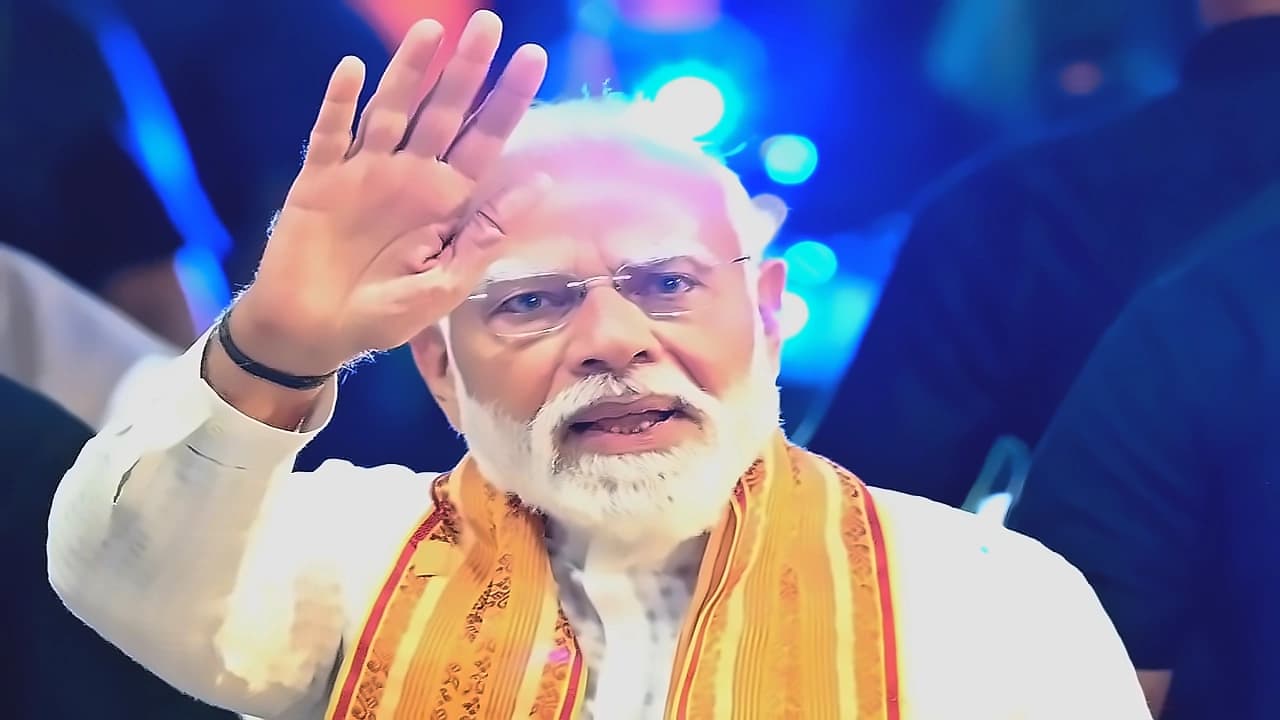
Economic experts note that governments globally often resort to demand-management measures during external shocks, especially when rising energy prices threaten macroeconomic stability. Jateen Trivedi from LKP Securities explained that Modi's remarks on delaying gold purchases should be viewed from the perspective of India's macroeconomic stability and import management. He noted that while the appeal may not alter India's long-term cultural affinity towards gold, it could temporarily slow discretionary jewellery demand and create cautious sentiment across bullion-linked businesses. The government's message appears aimed at temporary import management rather than discouraging gold ownership permanently, given that India remains one of the world's largest gold importers. Modi emphasized that "the government is trying to ensure that the common man is minimally affected by these adverse conditions, but during these times, the country needs more public participation," noting that India spends lakhs of crores of rupees in foreign exchange to import many products with skyrocketing prices and badly disrupted supply chains. Critics from opposition parties have responded to Modi's proposals by suggesting a lack of effective planning by the government, with Congress party leader Rahul Gandhi accusing the administration of shifting the burden onto citizens while avoiding accountability themselves.