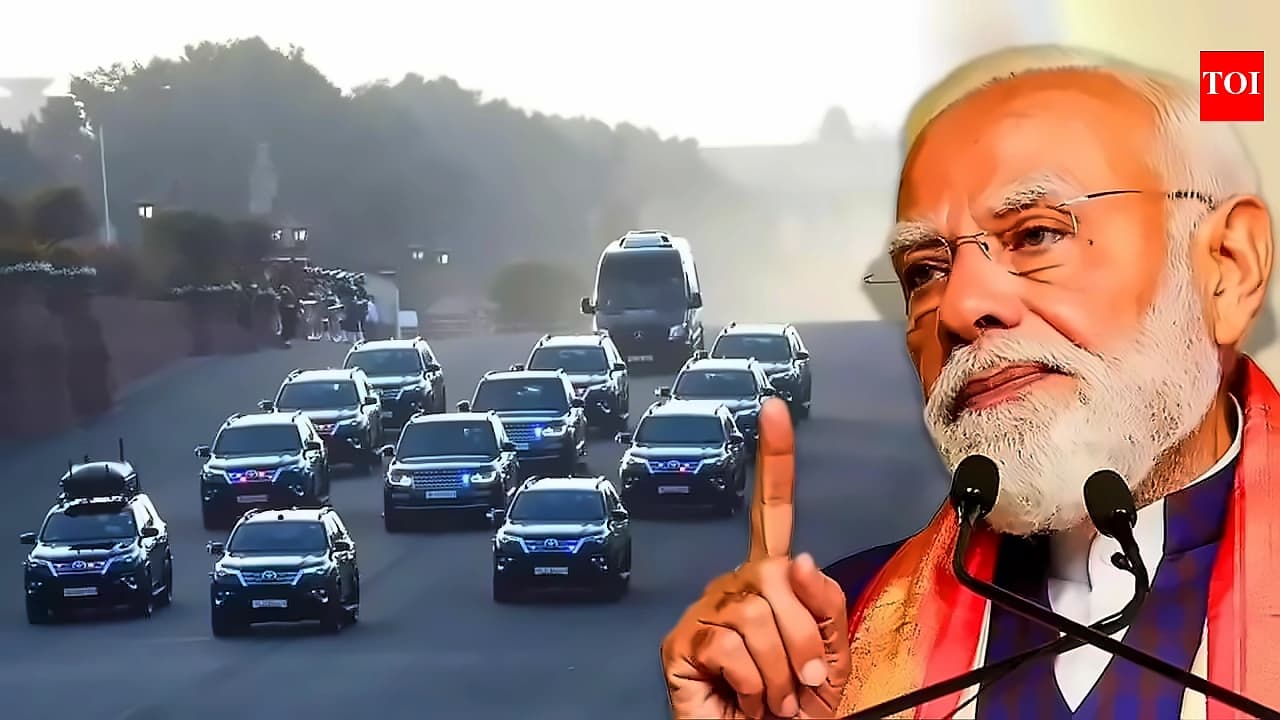
Delhi Government announced comprehensive austerity measures on Thursday (May 14) to reduce fuel consumption and save foreign exchange in response to Prime Minister Narendra Modi's appeal amid the West Asia crisis. Under the new measures, all Delhi government employees will work from home for two days every week, with an advisory being issued to private companies to implement similar work-from-home policies. The government has decided to reduce the use of official vehicles significantly, cutting petrol limits allotted to officers by 20%, bringing the monthly cap down from 200 litres. Delhi will observe a 'Metro Day' every Monday with all ministers and senior officers using metro wherever possible, and the government will appeal to people to follow a 'No Car Day' once every week. Additionally, 58 special buses will be operated across 29 government colonies to encourage public transport usage among employees.
India's state-run fuel retailers have raised petrol and diesel prices for the first time in four years by 3 Indian rupees per litre, representing increases of 3.2% for petrol and 3.4% for diesel. According to latest reports from Hindustan Times, petrol now costs ₹97.77 per litre in Delhi (up from ₹94.77) and diesel costs ₹90.67 per litre (up from ₹89.67). The price increases come as India faces a global energy crisis that is adding significant pressure on the economy and daily life for consumers. State-run Indian Oil Corp, Hindustan Petroleum Corp and Bharat Petroleum Corp, which together control more than 90% of India's 103,000 fuel stations, set prices in tandem to implement the changes. India imports about 90% of its oil and has been hit hard by rising energy prices and supply disruptions linked to the Iran war and the closure of the Strait of Hormuz.
The fuel price increases have resulted in significant variations across Indian cities due to local taxes and levies. According to Hindustan Times, petrol will now cost ₹108.74 per litre in Kolkata, while Mumbai petrol prices surged by ₹3.14 to ₹106.68 per litre and Chennai petrol now costs ₹103.67 per litre after an increase of ₹2.83. Additionally, CNG prices in Delhi have also been raised by ₹2 per kg, taking the new rate to ₹89 per kg. This widespread price variation highlights the impact of state-level taxes on fuel costs, with consumers in different regions facing different price points despite the uniform ₹3 per litre increase. The price hikes are part of a broader global energy crisis that is reshaping economies worldwide.
While the austerity measures have received widespread support, concerns have emerged regarding security protocols for national leadership. LT Col Naren Thakur highlighted on social media that "The Prime Minister and Home Minister are not ordinary individuals. They are national assets. A two-vehicle convoy is not austerity — it is a security risk." He emphasized that while reducing unnecessary movement is important, "National leadership security is not the place for experiments." The comments reflect broader discussions about maintaining essential security protocols while implementing genuine fuel-saving measures across government operations.
Prime Minister Narendra Modi's call for austerity measures to reduce fuel consumption and conserve foreign exchange is beginning to influence corporate India's operational strategies. According to reports from The Times of India, companies and industry bodies are reviving work-from-home policies, curbing travel, and implementing greener logistics initiatives in response to rising global energy prices and growing concerns over India's import bill following tensions in West Asia. The government is now implementing system-wide measures, with some states issuing notices to government departments to restrict travel, avoid physical events and shift meetings online, while also asking them to work from home two days a week with offices half-staffed. Earlier this week, India also raised import duties on gold and silver to 15% in an effort to curb demand for imports that drain foreign exchange reserves.