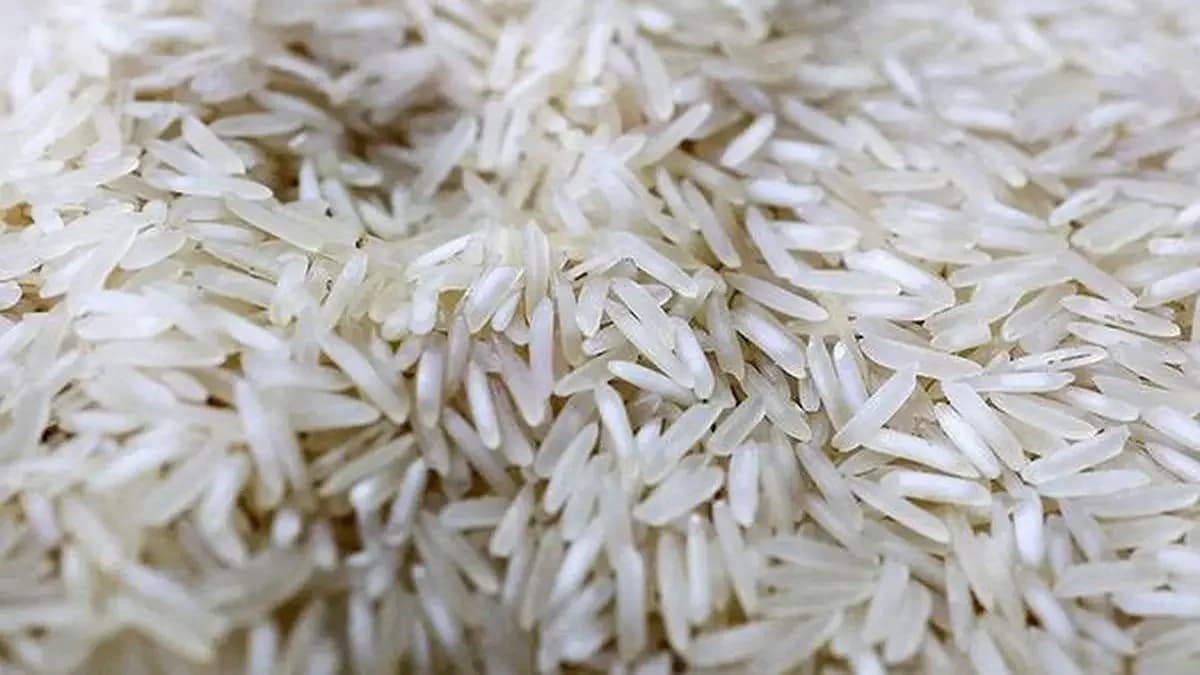
The Iran war has triggered unprecedented fears of a global food crisis, with the World Food Programme estimating that an extra 45 million people could be pushed into acute food insecurity if the conflict does not end by June. India, as the world's second-largest fertiliser consumer after China, using more than 60 million tonnes annually, faces particular vulnerability as most exports come from Gulf countries through the Strait of Hormuz. Farmers across India are experiencing severe anxiety, with Gurvinder Singh from Punjab's breadbasket region stating "We are already struggling with profits. If we don't get fertilisers, there will be less yield. That will affect my entire family and the entire region, because we are completely dependent on agriculture." The crisis has already begun affecting procurement for the kharif season, which typically produces about 100 million tonnes of rice, with farmers stocking up in advance of the May procurement period ahead of sowing in June-July.
India's basmati rice exporters are urgently seeking government intervention to invoke 'force majeure' following the escalation of the West Asia conflict in late February. The Federation of Indian Chambers of Commerce and Industry's Arab desk has received appeals from exporters, who argue that the crisis meets the legal definition of unforeseen events making contractual obligations impossible to fulfill. Force majeure is a legal principle that applies when unforeseen events — such as war, conflict, or major disruptions — make it impossible to fulfill contractual obligations. Exporters had already accepted orders, completed production, and loaded containers before the situation escalated, citing the doctrine of frustration of contract under which obligations become void if performance is no longer feasible. The government is being urged to formally recognize the situation as a force majeure event with effect from March 1, 2026, and direct immediate waivers of detention, demurrage, and storage charges.
The conflict has triggered severe economic consequences for India, with the Indian government cutting central excise duties on petrol and diesel by ₹10 per litre to prevent pump prices from surging further. Petroleum Minister Hardeep Singh Puri acknowledged this would be a significant hit to government tax revenue. Analysts at Nomura estimated the annual fiscal impact of this cut at approximately ₹1.65 trillion ($17.6 billion). India's vulnerability stems from its 85% dependence on crude oil imports, with roughly half of those imports transiting through the Strait of Hormuz. The closure of this waterway has directly amplified energy costs, widened the current-account deficit, and put upward pressure on inflation across the Indian economy. Nomura cut its year-end Nifty 50 target by 15%, and Citi lowered its forecast to 27,000 from 28,500, both citing the impact of surging oil prices and supply shocks from the Middle East.
The Middle East, a key market for Indian basmati rice, has been severely affected by disruptions to maritime routes, particularly through the Strait of Hormuz. By the end of January, India had already exported 5.4 million tonnes of basmati rice to around 150 countries, chiefly in the Middle East, with approximately one million tonnes more to be exported by the end of the 2025–26 financial year. However, with the escalation of the West Asian conflict in late February, nearly 60,000 tonnes of shipments became stranded at sea. Vessel movements have been suspended or reduced, trans-shipment operations curtailed, and major ports such as Jebel Ali are operating under restrictions. Several global shipping lines have unilaterally stopped bookings to affected destinations, leaving containers stranded at hubs such as ICD Ludhiana, ICD Dadri and Mundra Port.
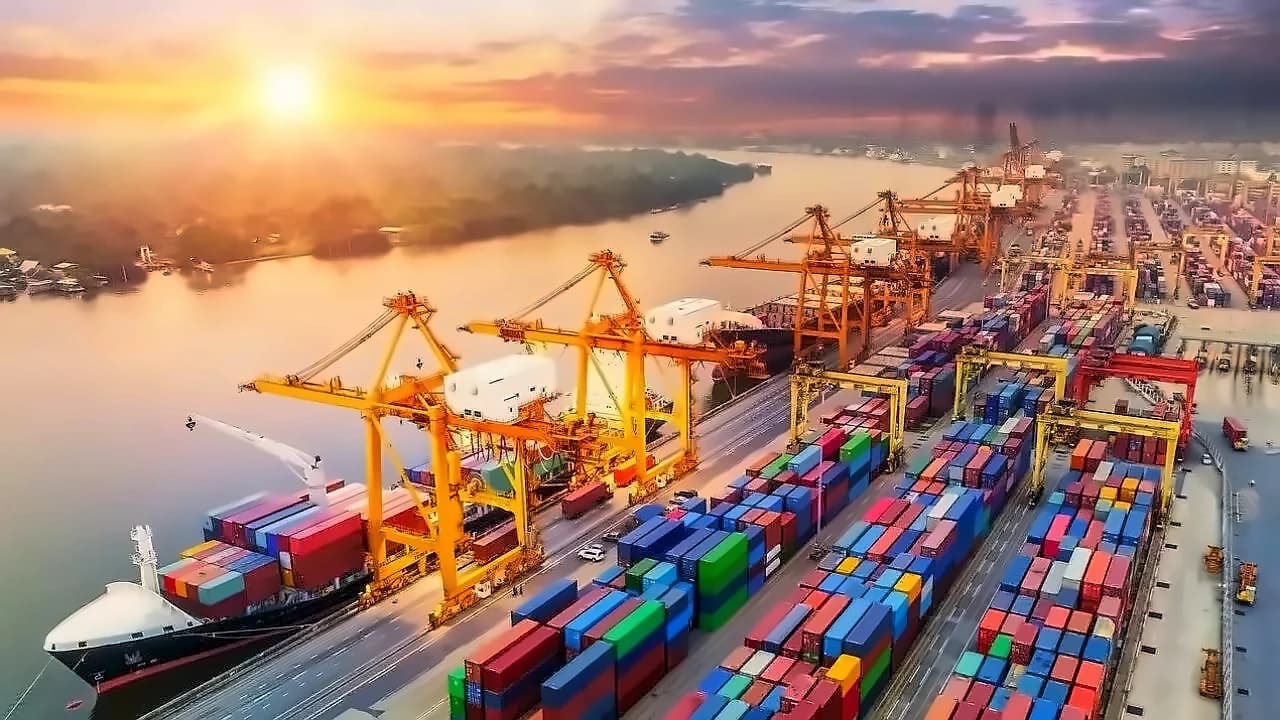
The financial toll on exporters has been severe, with working capital blocked in stranded consignments and agricultural produce at risk of quality deterioration. In one reported case, a single exporter has been billed around ₹30 lakh despite repeated requests for relief. Exporters argue that shipping companies continue to levy detention, demurrage, and storage charges, as well as retrospective war risk surcharges on a daily basis. They further allege operational non-cooperation, including delays in issuing No Objection Certificates for container returns and slow responses to correspondence, which prolongs container cycles and inflates costs. Exporters contend that shipping lines cannot impose charges arising from their own operational decisions or external disruptions, and that such practices constitute unjust enrichment at their expense. They have proposed creating a joint task force involving government authorities, shipping lines, and industry bodies to ensure real-time resolution and prevent further escalation.
This period of geopolitical stress is speeding up India's efforts to diversify export markets and strengthen supply chains. The government is working to reduce reliance on any single market by focusing on about 50 countries, including those in West Asia and Africa. Initiatives like the Export Promotion Mission, announced in the Union Budget 2025-26 with ₹2,250 crore for export credit and cost management, aim to boost exporters' abilities. The focus is shifting to products with higher value, along with specific support for sectors like pharmaceuticals, electronics, and energy. Additionally, the government has waived duties on certain petrochemical products to help stabilize supply and lower input costs for the pharmaceutical sector. The new ₹497-crore RELIEF scheme is designed to help exporters manage rising freight rates, insurance costs, and delays caused by the Middle East conflict.