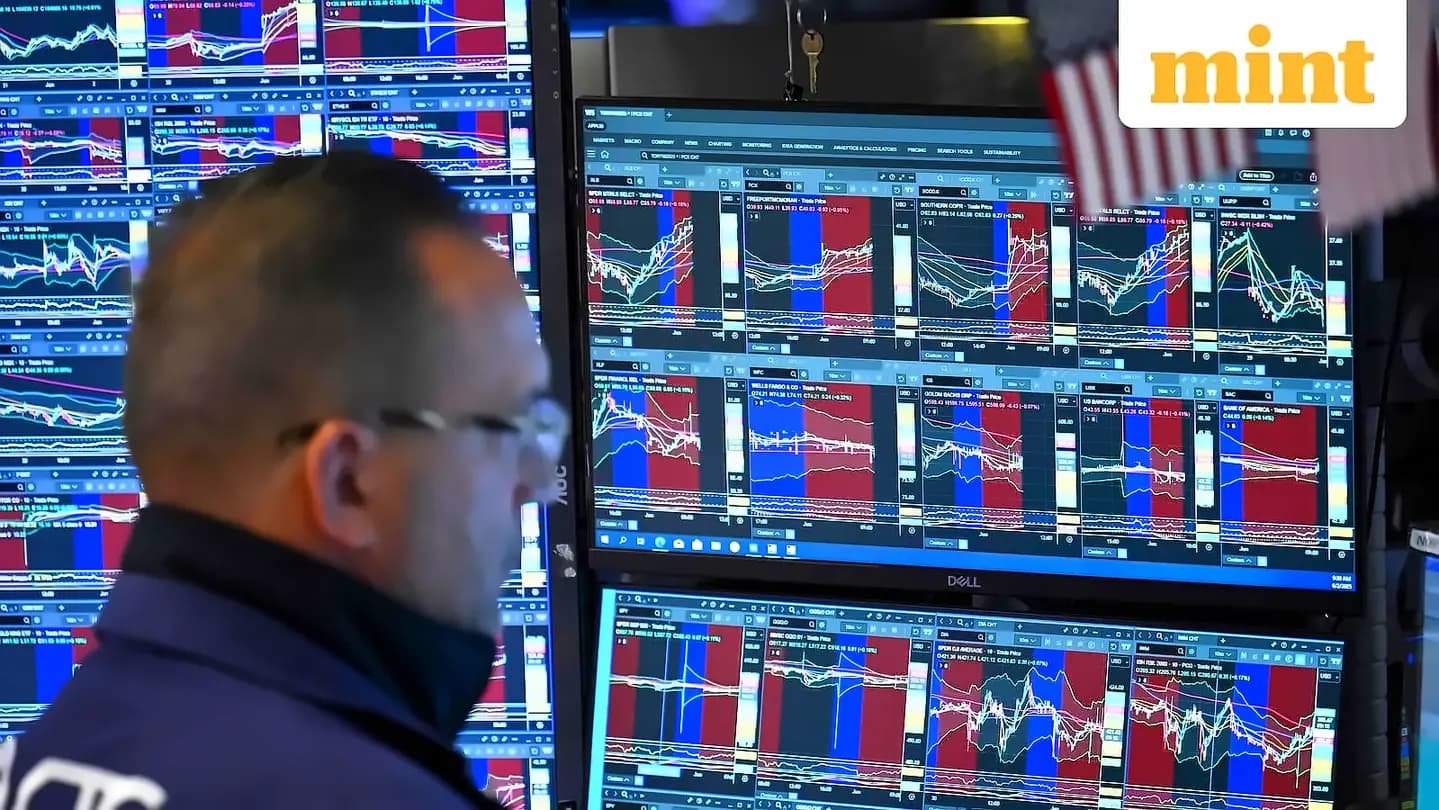
Asian markets posted broad gains Monday as investors responded positively to developments in Iran peace negotiations. According to reports from The Hindu BusinessLine and Business Standard, Japan's Nikkei 225 surged 3.1% to 65,321.56 in morning trading, while Australia's S&P/ASX 200 added 0.4% to 8,692.70. The Shanghai Composite edged up 0.4% to 4,127.53, though trading remained closed in South Korea and Hong Kong for Buddha's birthday holidays. Nasdaq futures were up 0.89% and S&P futures rose 0.6% as US stock markets embraced the prospect of ending the three-month Iran war. Trading will be closed in the US on Monday for Memorial Day, extending the market holiday period.
US President Donald Trump announced that negotiations with Iran were 'proceeding in an orderly and constructive manner' as reported by The Hindu BusinessLine and Business Standard. On Saturday, Trump said Washington and Iran had 'largely negotiated' an understanding on a peace deal that would reopen the Strait of Hormuz, which had carried a fifth of global shipments of oil and liquefied natural gas before the conflict. Regional officials told The Associated Press on Sunday that the US is close to reaching a deal with Iran that would end the war, reopen the Strait of Hormuz and see Iran give up its stockpile of highly enriched uranium. However, a senior Trump administration official told reporters an agreement would not be signed on Sunday, saying the Iranian system did not move fast enough. Speaking anonymously, he confirmed that Iran had agreed 'in principle' to open the strait of Hormuz in exchange for the US lifting its naval blockade, and to dispose of Tehran's highly enriched uranium.
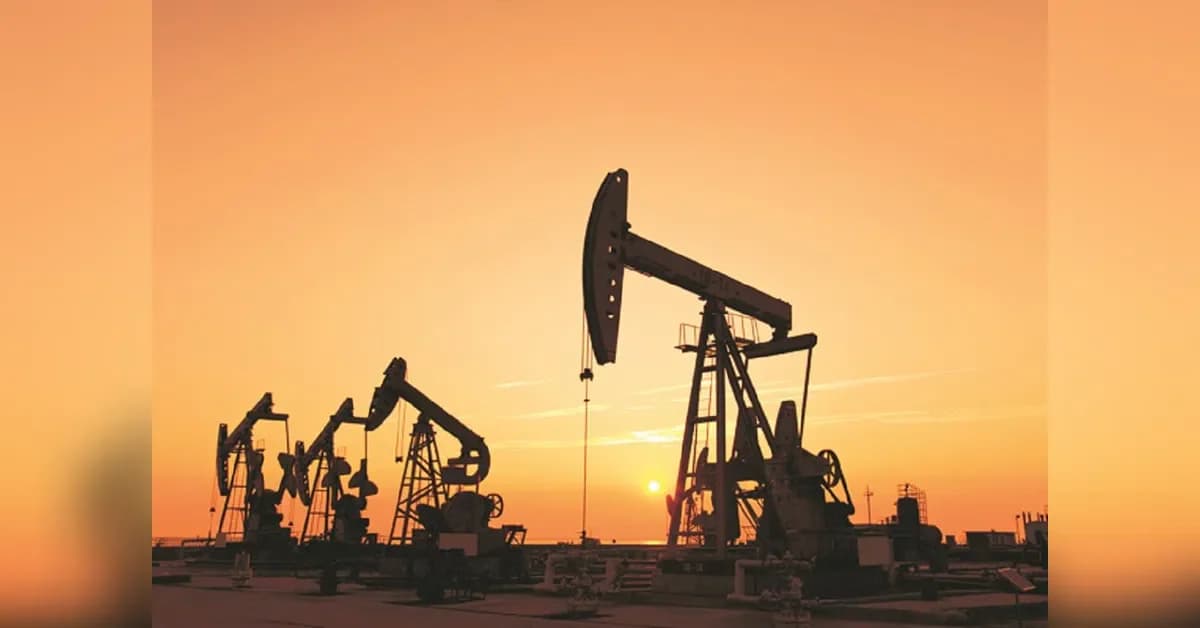
Oil markets experienced significant declines as peace prospects reduced geopolitical tensions. According to Reuters and Business Standard, Brent crude futures fell $5.85, or 5.7%, to $97.69 a barrel by 0343 GMT, while US West Texas Intermediate were at $90.85 a barrel, down $5.75, or 6%. Both contracts touched their lowest points since May 7. Brent crude futures fell $4.64 to $98.90 a barrel and US West Texas Intermediate also fell to $90.85 a barrel, with both contracts touching their lowest points since 7 May. Early Monday, benchmark US crude was down $4.35 at $92.25 a barrel and Brent crude, the international standard, sank $4.16 to $99.38 a barrel. Oil prices fell to two-week lows on Monday as markets moved closer to a peace deal. Oil markets tumbled with Brent crude prices falling 5.1% to $98.29 a barrel and US West Texas Intermediate down 5% at $91.76 a barrel, as traders expressed cautious scepticism over whether a peace deal would stick. As per Reuters, MST Marquee analyst Saul Kavonic noted that 'there is now some light at the end of the tunnel, which will bring some near-term oil price relief'. Reopening the Strait of Hormuz will help decide the direction of oil prices, as the closure has prevented oil tankers from exiting the Persian Gulf and delivering crude to customers worldwide, with Japan importing almost all its oil, most of it through the strait.

Currency markets showed significant movements as investors priced in the potential peace dividend. According to Business Standard, the US dollar declined to 158.80 Japanese yen from 159.16 yen, while the euro cost $1.1641, up from $1.1605. 'Markets are rapidly transitioning from pricing geopolitical fear toward pricing a potential peace dividend as Hormuz reopening expectations pressure oil and the dollar lower,' analyst Stephen Innes noted in a commentary. The currency movements reflect investor confidence in the progress of Iran negotiations and the potential end to geopolitical tensions that have been supporting safe-haven assets.
US markets continued their strong performance with stocks finishing their eighth straight winning week, the best such streak since 2023, as reported by Business Standard. The S&P 500 added 0.4% and pulled closer to its all-time high set in the middle of last week, while the Dow Jones Industrial Average rose 0.6% and the Nasdaq composite gained 0.2%. Friday on Wall Street, stocks finished their eighth straight winning week, even though a survey showed US consumers are feeling even worse about the economy. Recent earnings reports from US companies that topped analysts' expectations also helped markets, though worries about inflation have pushed bond yields higher worldwide. The yield on the 10-year Treasury edged down to 4.56% Friday from 4.57% late Thursday, but it remains well above its 3.97% level from before the war.