The NSE Nifty experienced extreme volatility on Tuesday with sharp swings of over 850 points during the closing auction session amid heavy turnover. According to reports from The Financial Express, the index opened 36 points lower and remained under pressure throughout the day. At 3:15 pm, the index was down by 139.10 points or 0.58% at 23,640.05, but entered the closing auction session with a 165.6 points or 0.70% jump to 23,805.65. The Sensex also ended lower, closing at 75,577.58, down 555 points or 0.73%.
The index witnessed dramatic price movements during the closing auction session that particularly punished retail options traders. As reported by Business Standard, the Nifty's intraday high of 23,758.95 was below the previous close of 23,779.15, and the index finished 12 points off its low. The index fell 430.95 points or 1.81% from its high of 23,805.65 to a low of 23,374.70 in just a few seconds, before recovering 260.40 points or 1.11% to close the session at 23,635.10. Options traders considered 23,600 a major support level, but when the market fell to 23,300, many traders went short expecting further decline, only to be trapped when the market immediately moved back towards 23,600.
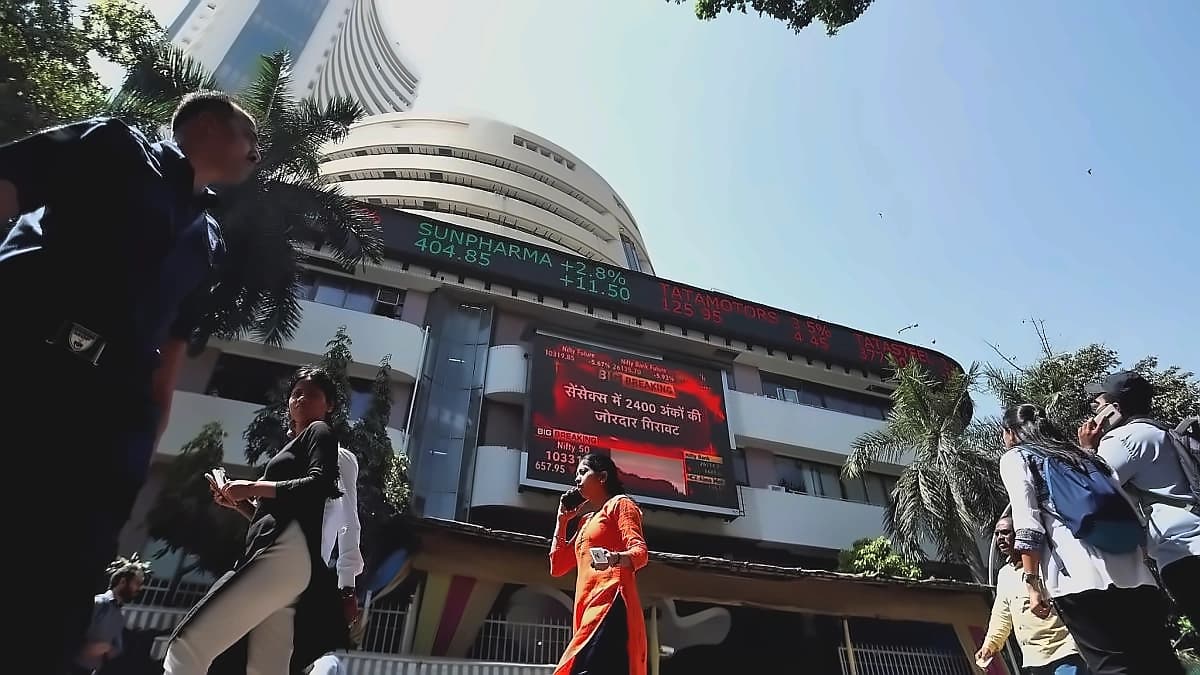
NSE recorded ₹2,099 crore turnover during the closing auction session on Tuesday, more than double compared to the previous day. According to The Financial Express, HDFC Bank emerged as the most traded stock with ₹160.88 crore turnover, followed by ICICI Bank at ₹144.94 crore, Bharti Airtel at ₹131.92 crore, and Reliance Industries at ₹121.28 crore. As per Business Standard, the Nifty Private Bank index fell 0.98%, with ICICI Bank being the single biggest drag, down 1.97% and ₹20,158 crore lighter.
The extreme volatility has highlighted concerns about market liquidity and trading mechanisms. According to Business Standard, India Vix, the market's volatility gauge, closed at 11.23, up 0.65% - barely moving on a day when put premiums were going through the roof. The option price for the 23,650 put rose from ₹11 to ₹95 within minutes, demonstrating the extreme nature of the volatility. Market experts suggest that the 3% range for buy and sell orders during the CAS should be narrowed to 1%, as the current range is too wide for a 15-minute window. As per Shai Coelho, a derivatives strategist, the derivatives market is not designed for retail investors, who often make losses against sophisticated institutions.