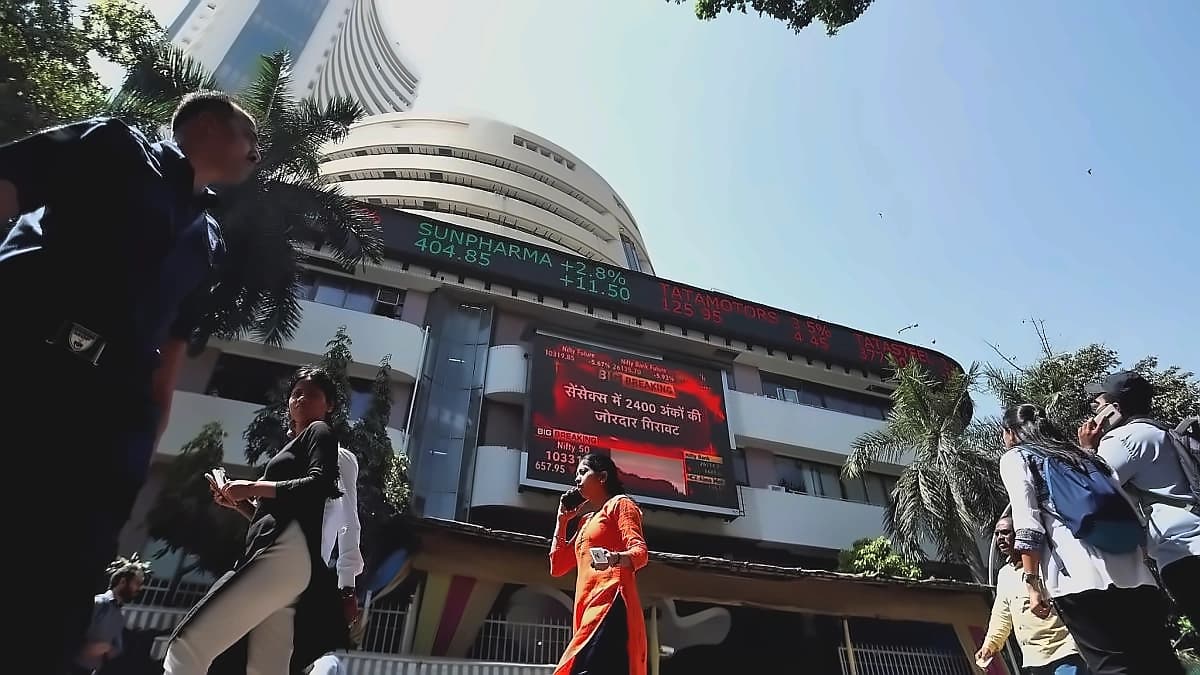
Options contracts for BSE Ltd.'s Sensex Index experienced dramatic swings during Thursday's stock auction, with the 74,800-rupee strike price call option surging as much as 340% during a 20-minute window. According to reports from The Hindu BusinessLine, the sharp uptick was accompanied by a 1.4% increase in the Sensex measure, though the 30-stock gauge eventually closed the session 0.2% higher, reversing an earlier 0.2% loss. The price swings in options minutes ahead of their settlement have heightened pressure on India's market regulator to address such episodes.
The volatility extended beyond the primary strike price, with 74,900-rupee and 75,000-rupee call options jumping more than 200% each during the auction period. As reported by The Hindu BusinessLine, all three contracts eventually closed in the red for the day. The at-the-money straddle, which involves simultaneous buying and selling of put and call options, briefly soared 14% from the previous session when it should typically drop to zero gradually during the day, highlighting the market-wide impact of the volatility.

The sharp price swings have intensified pressure on India's market regulator to resolve such episodes. According to The Hindu BusinessLine, the watchdog last week announced it will release a discussion paper within a week to determine settlement prices for futures and options contracts, after market participants flagged concerns. The new system, introduced to align India with global standards and curb manipulation, has faced challenges including thin liquidity, low participation and alleged market manipulation.
The sharp volatility stems from a fundamental mismatch in how the cash equities and options markets operate. As reported by The Hindu BusinessLine, stocks that have derivatives tied to them get their final prices via the auction, but options continue to trade while this process is still underway. Since some expiring options trade at almost no value, even a small move in the underlying index can turn a worthless contract into a big winner — and then worthless again minutes later. This mechanism has contributed to the system's challenges since its introduction last month.
The Closing Auction Session framework, introduced on August 3 for stocks with futures and options contracts, has prompted a comprehensive review by market regulator SEBI. As reported by Zee News, SEBI Chairman Tuhin Kanta Pandey clarified that the market regulator is reworking the methodology for determining closing prices under the CAS framework, while acknowledging initial challenges around liquidity. However, he emphasized that "the CAS framework is here to stay" and noted that initial liquidity issues are expected to improve over time as the system matures.