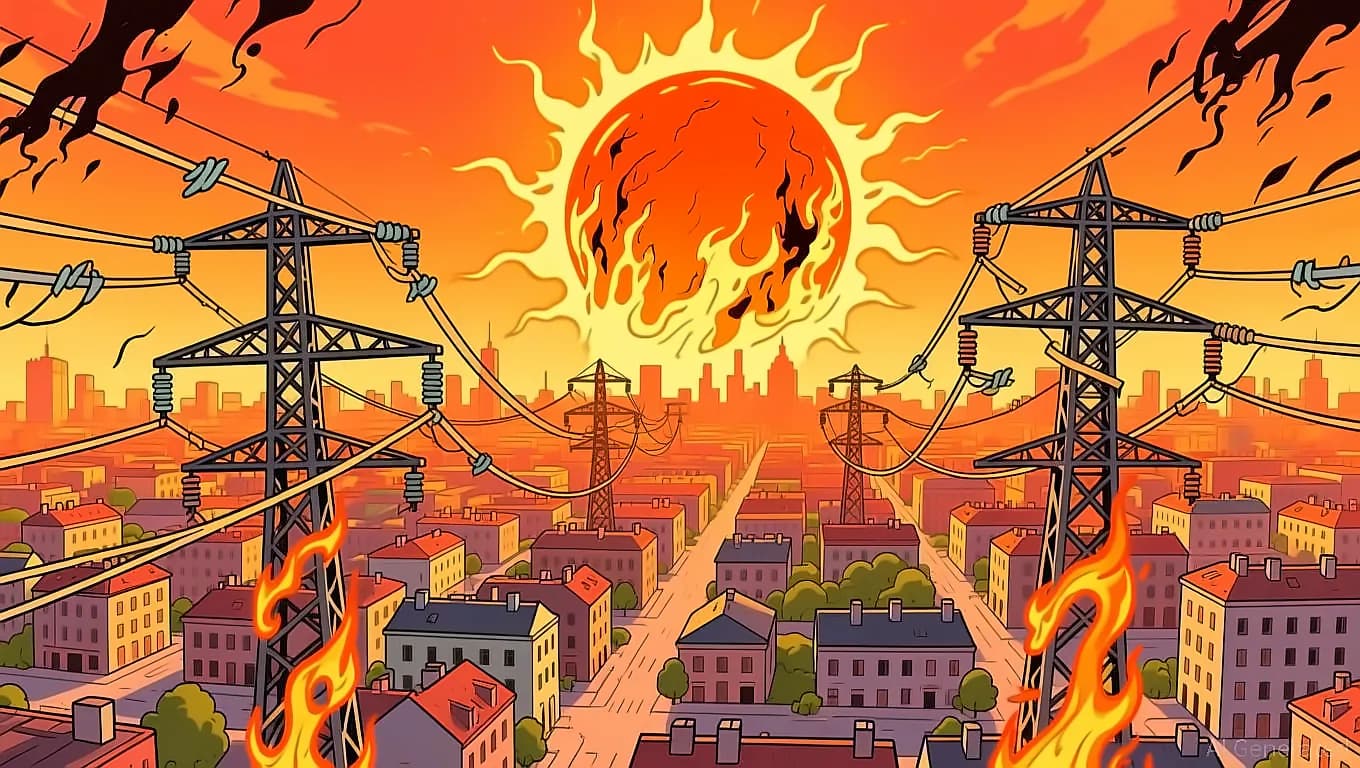
India's extreme heat crisis has reached critical levels, with India accounting for 98 of the world's 100 hottest cities in May 2026. According to the Centre for Science and Environment (CSE), approximately 75% of Delhi is now affected by intense heat stress, driven by the loss of urban green cover where tree cover has declined from 25% in 2014 to 14% in 2024. With feels-like temperatures reaching up to 52°C, heat is disrupting daily life and threatening productivity. Some estimates suggest that India's gross domestic product (GDP) could decline by up to 4.5% by 2030 due to heat-related impacts, highlighting the urgent need for comprehensive climate adaptation measures. The crisis underscores how climate is not separate from development - rising temperatures, water scarcity and increasing environmental pressures are already shaping realities across communities, with the greatest impact felt by the most vulnerable populations.
India faces persistent challenges in attracting stable capital flows despite recent global relief from geopolitical tensions around the Strait of Hormuz. According to Business Standard, foreign portfolio investors have been reducing their exposure to India, creating a need for more durable capital sources to finance investment and growth. The editorial emphasizes that while immediate global relief is welcome, the deeper challenge remains in establishing a stronger investment climate that can withstand changing market conditions.
Heatwaves now represent a comprehensive challenge affecting productivity, urban infrastructure, and public health. As reported by Business Standard, heatwaves disproportionately affect children, older persons, pregnant women and outdoor workers, with school closures during extreme heat disrupting learning and outdoor workers facing higher risks of heat-related illness. The Delhi Metro serves as a model of climate resilience, featuring large-scale cooling systems and operational heat management measures. Non-structural measures can significantly reduce risk, including the "Water Bell" initiative in southern India that encourages regular hydration among schoolchildren and promotes heat awareness. These interventions demonstrate how climate action and development are inseparable, with water security supporting livelihoods, strengthening local resilience, contributing to public health, and helping communities adapt to a changing climate.

Rising temperatures create severe strain on India's power infrastructure, with peak electricity demand in May and June exceeding 8,000 MW in Delhi, reaching a record 8,656 MW in June 2024. According to CDRI analysis, high temperatures reduce infrastructure efficiency as transmission lines sag under heat stress and become more prone to faults. Thermal power plants face reduced cooling water availability, while solar panel efficiency declines under extreme heat conditions. A CDRI and Prayas report highlights the need for stronger infrastructure standards and advanced monitoring systems to reduce grid failure risks. The energy transition requires alignment between environmental objectives, economic priorities and investment decisions, with climate pressures affecting water availability, food production, energy systems, public health, livelihoods and economic opportunity across communities.
The telecommunications regulatory framework requires significant modernization to address the converged digital economy landscape. According to Business Standard, the Telecom Regulatory Authority of India (Trai) was designed for a market that looks very different from today's integrated ecosystem of telecom, broadcasting, OTT platforms, satellite communications, data, and content services. The column argues that regulatory architecture must be updated to handle current technology realities rather than outdated frameworks designed for previous market structures.
Corporate responsibility has evolved beyond compliance language to require embedded governance practices across all business functions. As reported by Business Standard, companies must integrate responsibility into governance structures, strategic planning, supply chains, labor practices, and stakeholder relationships. The analysis emphasizes that business responsibility cannot remain limited to slogans or reputational management but must be embedded throughout operational frameworks.