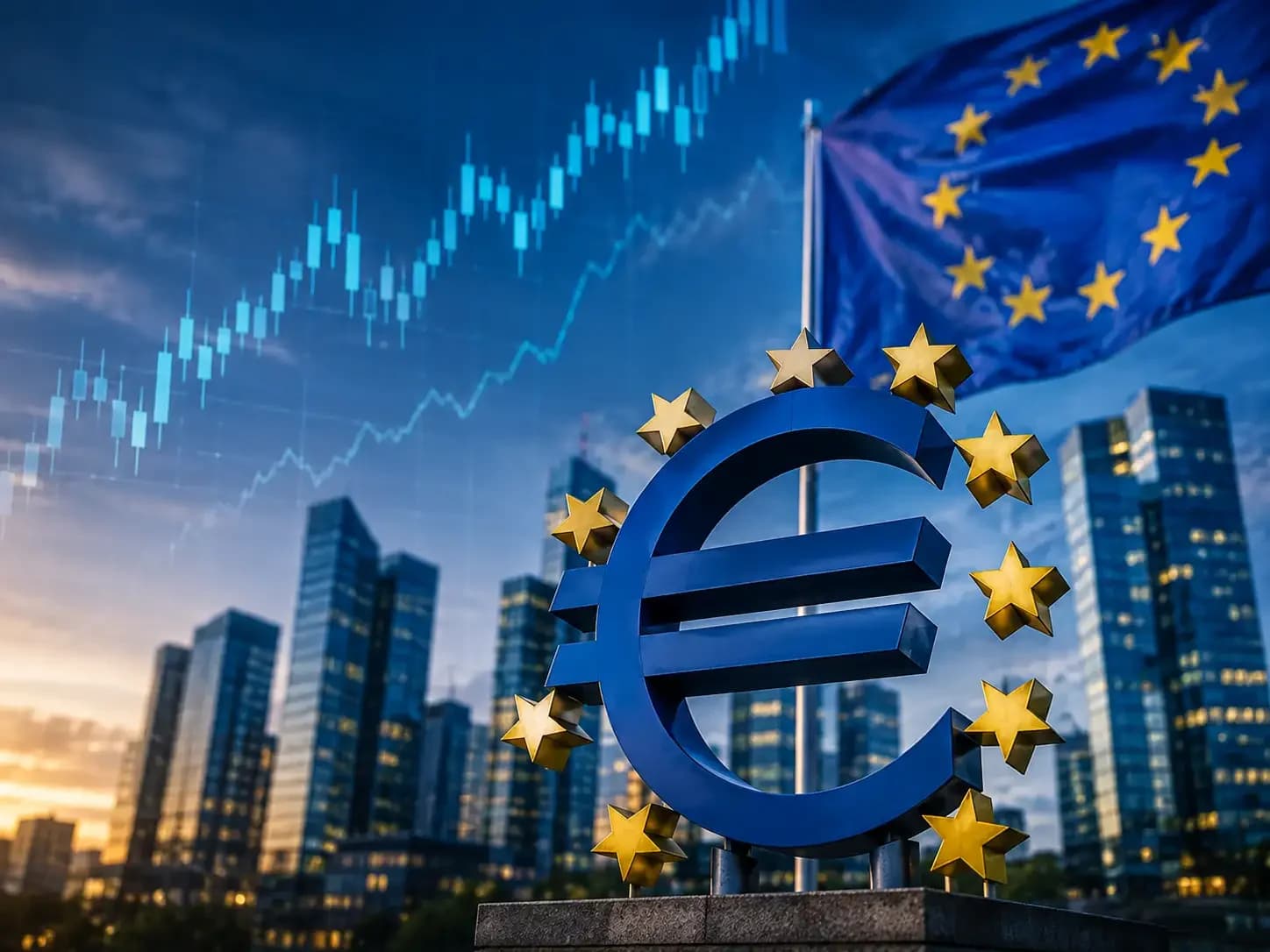
Western Europe is currently experiencing one of the most severe heatwaves in modern history, with temperatures reaching 44°C in parts of France and at least 1,352 heat-related deaths recorded so far, with over 1,000 deaths in France alone. According to reports from Investing.com India, France has reported around 1,000 excess deaths in a single week, while governments have issued rare 'risk to life' warnings affecting tens of millions of people. The extreme weather has disrupted rail services, placed hospitals under extraordinary pressure, and pushed energy infrastructure to its limits. Scientists have warned for years that Europe is warming faster than any other continent, and these warnings are now translating into measurable economic consequences. As reported by ET Now, 150 million people are currently living under extreme heat conditions across Europe, with the World Health Organisation (WHO) warning that Europe is warming at twice the global average rate, making it the fastest-warming continent.
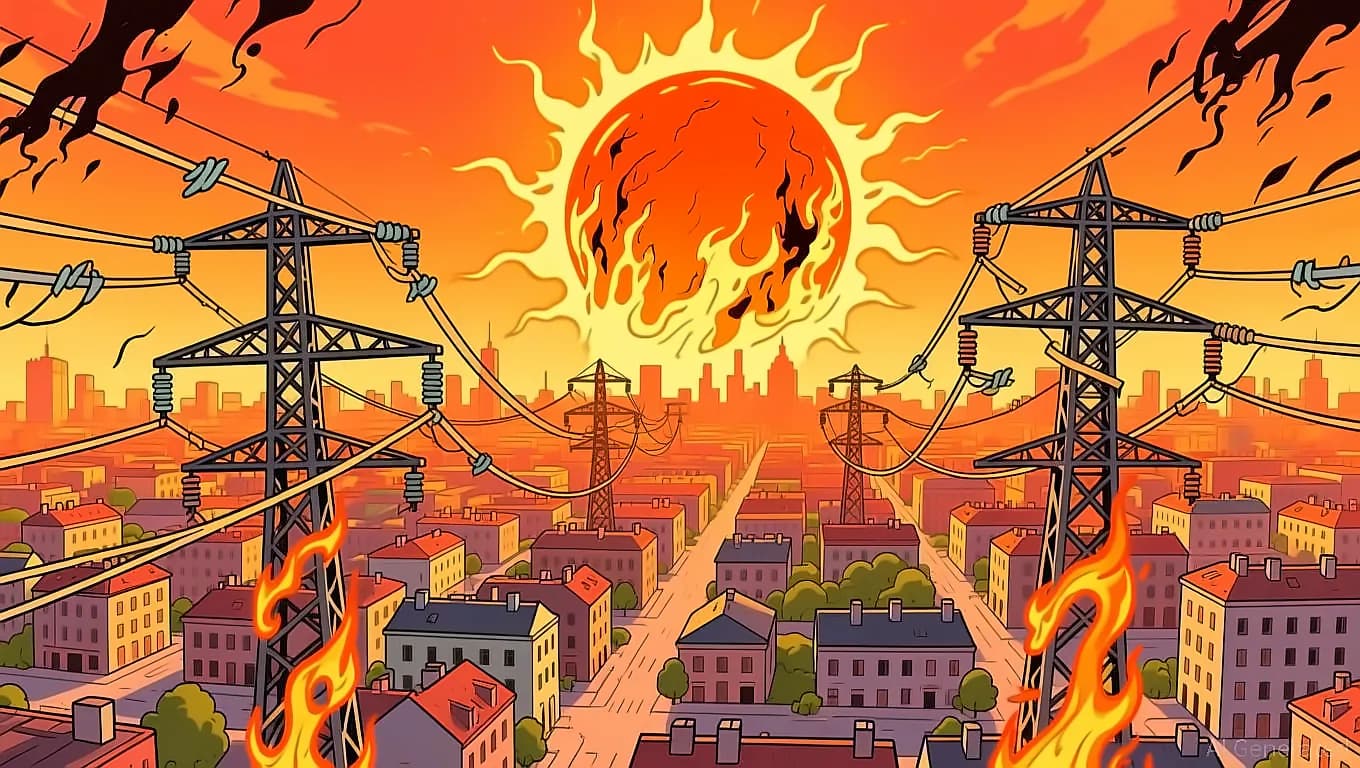
The current heatwave represents a critical stress test for Europe's power system, with electricity prices surging across the continent as the grid faces simultaneous supply and demand pressures. As reported by The Financial Times, evening electricity prices have spiked significantly, while nuclear output - Europe's backbone baseload - is being throttled back because overheated rivers can't absorb reactor waste heat safely. EDF has warned that multiple reactors face production limits, creating a supply-demand squeeze that has pushed wholesale prices to record levels. A comparable heatwave in June–July 2025 pushed daily power demand up by 14% and doubled European wholesale prices, demonstrating how extreme heat is no longer a tail risk but a recurring feature of the European energy landscape. According to Business Standard, the record-breaking heatwaves in Europe in May and June caused more than 1,300 excess deaths and temperatures as much as 12 degrees Celsius above the 1991-2020 baseline.
The European Data Centre Association estimates €176 billion of cumulative investment is required just to power new facilities from 2026 onward, creating substantial opportunities in the real-economy energy value chain. Data center demand is projected to grow from 3% to 5.7% of European electricity consumption by 2035, representing a secular tailwind hitting a supply-constrained grid. This structural demand growth, combined with persistent inflation expectations, suggests companies with pricing power in the real-economy energy value chain deserve higher-conviction weighting in income-growth portfolios. The grid infrastructure companies that own the toll road behind this premium pricing are positioned as the most attractive investment opportunities.
A critical investment opportunity lies in Europe's air conditioning infrastructure gap. As reported by Investing.com India, only around 20% of European households currently have air conditioning, compared with close to 90% in the United States. This gap is extraordinary and unlikely to persist as European summers continue to resemble recent extreme conditions. Increasingly, air conditioning will become critical infrastructure rather than just a consumer product, with demand for residential cooling, commercial cooling, industrial cooling systems and energy-efficient climate control technologies expected to expand dramatically over the coming decades. According to ET Now, global stocks in the HVAC sector are likely to remain in focus, with companies like Daikin Industries (world's largest air-conditioner manufacturer), Carrier Global Corporation, and Trane Technologies positioned to benefit from the growing demand.
Europe's urban landscape will require significant reinvention as many European cities were designed for temperate climates that are becoming less common. According to the analysis, retrofitting buildings, redesigning urban spaces, improving insulation, deploying cooling technologies and developing climate-resilient infrastructure could become one of the largest capital expenditure cycles in modern European history. The report suggests this could be one of the defining investment stories of the next two decades, as Europe's adaptation economy becomes a feature of the economic landscape rather than an anomaly. As noted by ET Now, thermal power, tourism, soft commodities, and labour-intensive businesses could see some impact from the ongoing heatwaves, though experts expect the market impact to remain temporary and sector-specific.