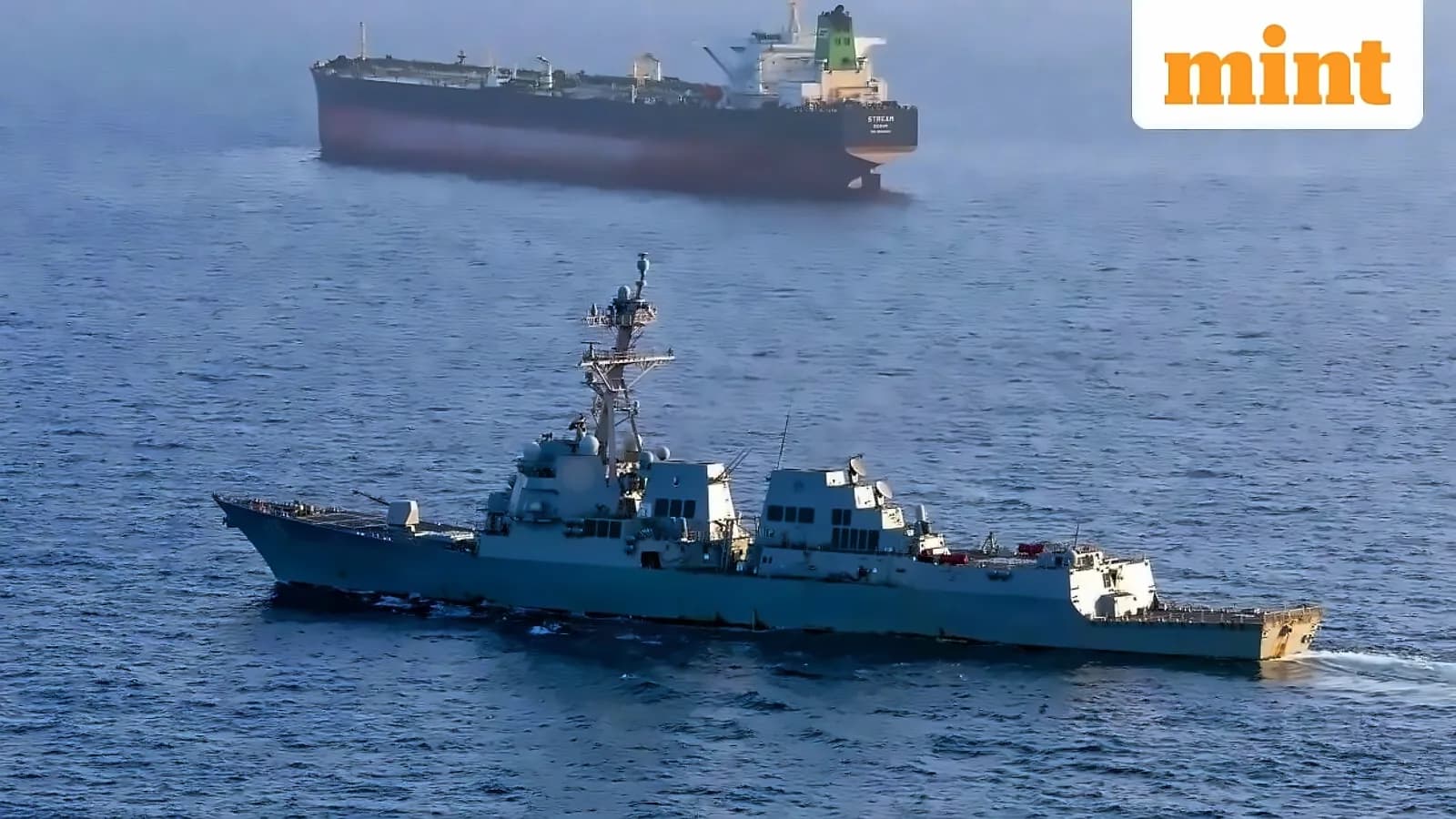
Oil prices surged dramatically on Friday, with Brent crude futures for July delivery rising 3.3% to $109.27 a barrel and U.S. West Texas Intermediate crude futures for June advancing 4.2% to $105.41 a barrel, according to Investing.com data. Oil prices are headed for a significant weekly advance, with Brent up 8% and WTI up 10.5% for the week, marking the largest weekly gain since late April. President Donald Trump ramped up his rhetoric on Friday, posting on Truth Social "the military decimation of Iran (to be continued!)" and telling reporters he was "not going to be much more patient" with Tehran. Trump last weekend rejected Iran's response to a U.S. proposal to end hostilities and said an ongoing ceasefire between the warring parties was on "massive life support." The surge comes as the Strait of Hormuz remains all but shuttered, as it has been since the start of the conflict at the end of February, leading to the biggest oil supply disruption in history. About a fifth of the world's oil and gas flows through the vital waterway, with the International Energy Agency warning this week that the global oil market could remain "severely undersupplied" through October even if the conflict eases next month.
US President Donald Trump and Chinese President Xi Jinping concluded their summit in Beijing on Friday, with the two leaders addressing US-China relations and the status of Taiwan. According to The Hindu BusinessLine, the summit produced no significant breakthroughs, though analysts had anticipated no major developments. The White House reported that Trump and Xi discussed strengthening US-China economic collaboration, with both parties agreeing that the Strait of Hormuz must stay open. Iran was reportedly a major topic of discussion during the summit, with the two sides agreeing that the Strait of Hormuz must remain open amid ongoing tensions. Trump also told Fox News during the first day of talks that Xi had said China would stop supplying Iran with military equipment. During the second day of talks, Xi said China and the U.S. had agreed to stabilize economic and trade relations and strengthen communication on regional issues, with Chinese state media saying both sides reached "important consensus" on expanding cooperation and managing differences. However, there was little indication that Trump had gained Chinese leader Xi Jinping's help to persuade Iran to reopen the crucial waterway, disappointing investors who had expected concrete developments from the meeting.
US President Donald Trump arrived in Beijing projecting dealmaker dominance, CEOs in tow, trade promises ready, but after two days of summit optics, the real story was bigger than headlines. Trump may have secured tactical wins on trade and oil but Xi Jinping pushed strategic red lines on Taiwan and unveiled a longer-term framework for U.S.-China rivalry. As per Firstpost, the summit produced no significant breakthroughs, though analysts had anticipated no major developments. The White House reported that Trump and Xi discussed strengthening US-China economic collaboration, with both parties agreeing that the Strait of Hormuz must stay open. Iran was reportedly a major topic of discussion during the summit, with the two sides agreeing that the Strait of Hormuz must remain open amid ongoing tensions. Trump also told Fox News during the first day of talks that Xi had said China would stop supplying Iran with military equipment. During the second day of talks, Xi said China and the U.S. had agreed to stabilize economic and trade relations and strengthen communication on regional issues, with Chinese state media saying both sides reached "important consensus" on expanding cooperation and managing differences.
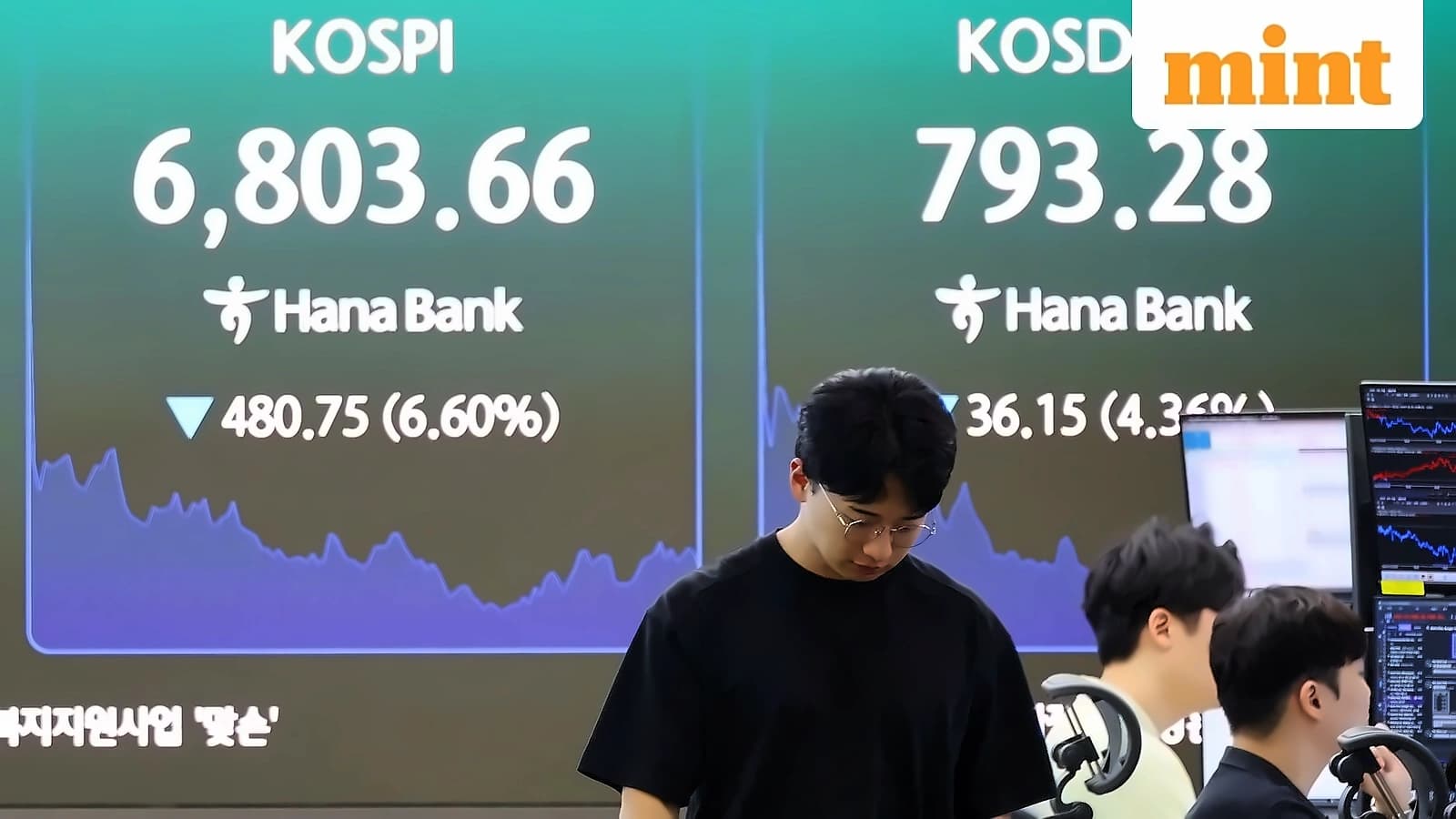
US markets ended higher on Thursday, with the Dow Jones Industrial Average retaking 50,000 after strong earnings from Cisco Systems and following a key meeting between U.S. and China. As per Business Standard, the Dow Jones Industrial Average rose 370.26 points or 0.75 percent to 50,063.46, the S&P 500 gained 0.77 percent to 7,501.24, while the Nasdaq Composite climbed 0.88 percent to 26,635.22. Technology stocks propelled gains on Wall Street, with the S&P 500 rising 0.6% to 7,444.25, marking another all-time high, while the Nasdaq composite increased 1.2% to 26,402.34, also setting a record. The yield on the US 10-year Treasury dipped to 4.46% from 4.47%, though it remains significantly above the roughly 3.97% level seen prior to the Iran war. Asia-Pacific markets showed mixed performance, with Japan's Nikkei 225 declining 1% to 62,654.05 after briefly hitting a new intraday peak above 63,700, while South Korea's Kospi ended 1.8% higher at 7,981.41, a record driven by technology shares amid the artificial intelligence surge. Asian stocks mostly retreated on Friday as investors watched for developments from the Trump-Xi summit and the Iran war, with Tokyo's Nikkei 225 falling 1.2% after rising earlier in the day, South Korea's Kospi losing 3.2%, Hong Kong's Hang Seng down 0.9%, and China's blue-chip CSI300 Index and Shanghai Composite each falling more than 1%.

US stocks were tumbling across the board on Friday morning, with the S&P 500 off 0.9%, while the Dow Jones Industrial Average was falling 0.8% and the Nasdaq composite was slumping 1.2%, according to FactSet data. The Cboe Volatility Index, better known as the VIX or Wall Street's "fear gauge," was rising over 8% to its highest level in over three weeks, though it remained below its long-term average of around 20. Investors were ditching U.S. government bonds amid intensifying concerns that the resurgence of inflation brought on by the Iran war could force the Federal Reserve to pursue higher interest rates. Foreign institutional investors (FIIs) turned net buyers on Thursday after several sessions of selling, purchasing shares worth ₹187.46 crore, while domestic institutional investors (DIIs) also remained net buyers, investing ₹684.33 crore in equities. FPIs have sold shares worth ₹25,984.99 crore so far in May (till 14 May 2026), following their cash sales of ₹70,135.46 crore in April, ₹122,540.41 crore in March and ₹6,640.78 crore in February.