Crude oil prices edged higher on Thursday, 14 May, as investors closely watched the crucial meeting between US President Donald Trump and Chinese President Xi Jinping for any positive developments regarding the Iran conflict. Brent crude futures gained 26 cents, or 0.25%, to $105.89 per barrel, while US West Texas Intermediate (WTI) crude futures rose 32 cents, or 0.32%, to $101.34 per barrel. Both benchmark contracts had declined on Wednesday, with Brent crude dropping more than $2 a barrel and WTI crude over $1. On the Multi Commodity Exchange (MCX), crude oil prices rose marginally to ₹9,713 per barrel after opening in the red, as reported by The Hindu BusinessLine.
Trump arrived in Beijing on Thursday, accompanied by an entourage that included Nvidia Chief Executive Officer Jensen Huang and Elon Musk, ahead of a two-day summit with Chinese President Xi Jinping, according to Reuters. Topics on the agenda include urging Xi to "open up" to US businesses and maintaining a fragile trade truce. Trump will also seek to bolster his approval rating, which has been battered by the Iran war and resulting surge in energy prices. Aside from trade matters, Trump is expected to encourage China to convince Tehran to make a deal with Washington to end the conflict, but analysts doubt that Xi will be willing to push its long-time strategic partner too hard. The meeting comes as oil prices remain sensitive to any developments that could impact the ongoing Iranian conflict.
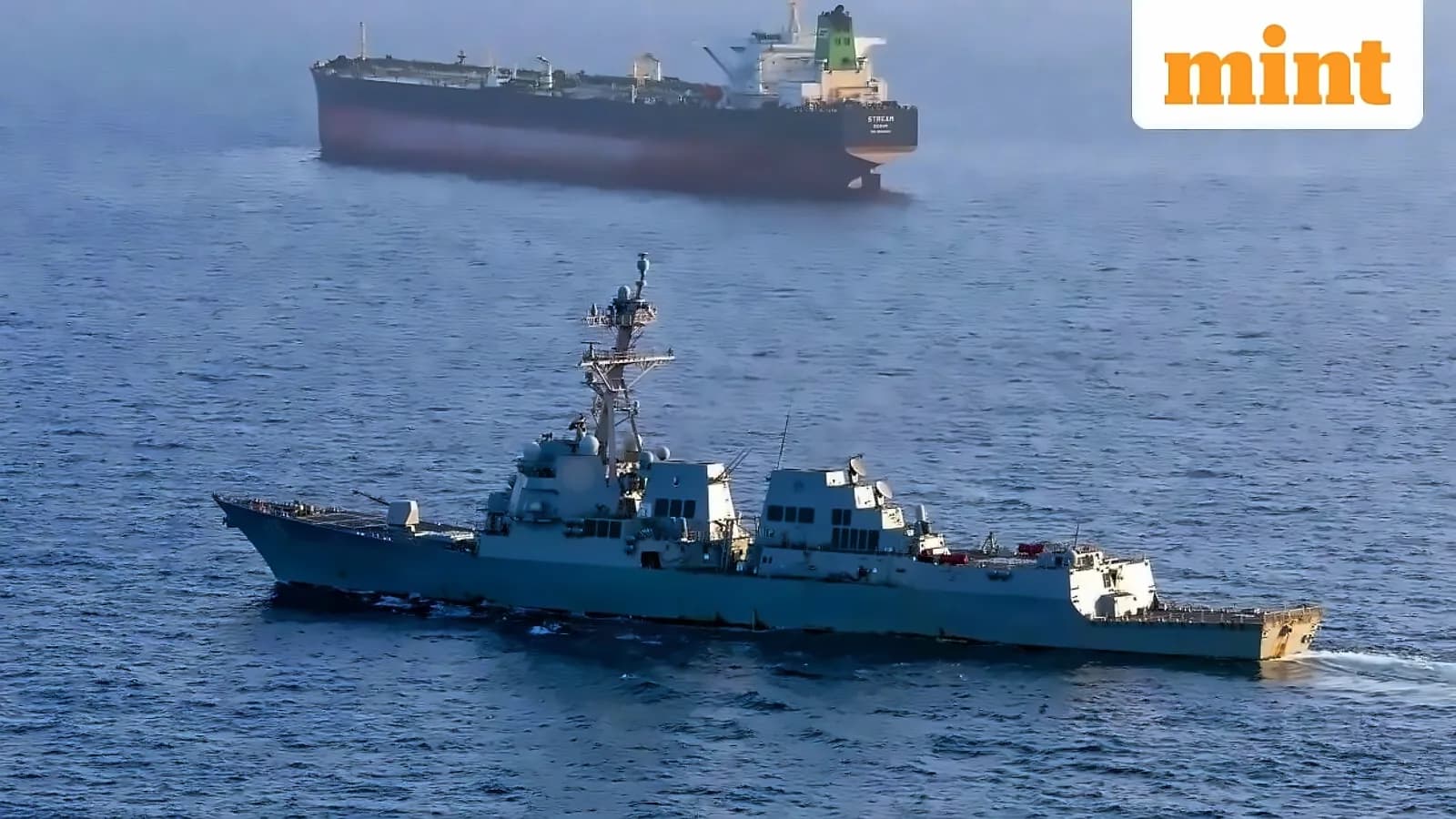
Latest ship-tracking data from LSEG shows significant progress in reopening the Strait of Hormuz, with a second crude oil tanker linked to Japan successfully passing through. A crude oil tanker under the flag of Panama, managed by Japanese refinery group Eneos, had passed through the Strait of Hormuz on Thursday, marking the second time a ship with Japan-related links has made it through. The Eneos managed tanker was loaded with 700,000 barrels Emirati Das Blend oil and 1.2 million barrels Kuwait crude in late February, with the vessel expected to reach Japan on June 3. This follows the Idemitsu Maru's similar passage in late April, carrying Saudi crude oil and managed by an Idemitsu-Kosan unit. Japan used to rely on the Gulf for 95% of its oil imports before the U.S. and Israeli war on Iran largely interrupted supplies via the strait.
Japan has intensified its diplomatic efforts and switched to alternative fuels to replace some of the barrels lost, while lowering domestic fuel prices through massive government subsidies. Refinery runs have begun to normalize this month as Japanese refineries replenish strategic stocks and increase alternative supplies, such as from the United States or the Caspian region, with runs now above 70% for the first time since March. Idemitsu Japan, the country's second largest oil refining company, announced this week that it expects Hormuz will reopen between July and September, with Dubai benchmark oil prices falling to pre-war levels before the end of March 2027. The passage of these tankers through the strait represents a significant milestone in the gradual reopening of this critical energy corridor.
Anindya Banerjee, Head of Commodity and Currency Research at Kotak Securities, believes that India remains relatively cushioned for now, but no large oil-importing economy is fully insulated from a deficit of this scale. If the Strait of Hormuz does not reopen by the end of May, today's price is a floor, not a ceiling. On technical analysis, Ponmudi R, CEO of Enrich Money, noted that MCX Crude Oil is trading in the ₹9,600–₹9,700 zone, attempting to stabilise after a sharp pullback from recent highs. The price continues to hold above the ascending trendline, with immediate resistance at ₹9,800–₹9,900 and immediate support at ₹9,500, as reported by The Hindu BusinessLine.