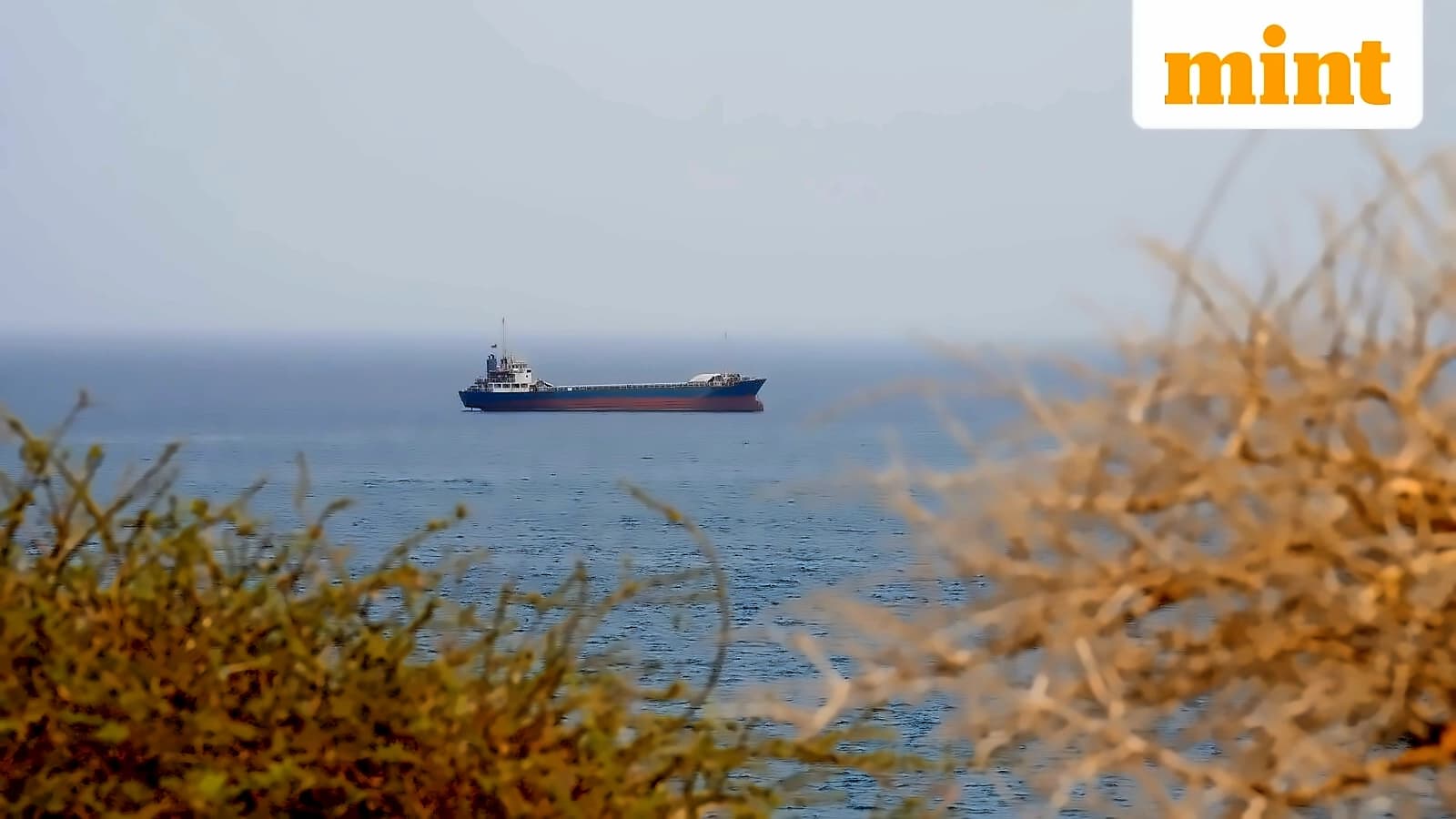
Energy Secretary Chris Wright announced that the US military is currently helping move approximately 7 million barrels of oil per day through the Strait of Hormuz, representing about 50% of the pre-war oil flow that has been stuck in the strategic waterway since the US-Israeli war with Iran began. Speaking at a Bloomberg Energy event in Houston on Friday, Wright revealed that 'We have a military effort that we've not talked a lot about, which started more recently to get cargoes out.' The Energy Secretary emphasized that 'We have a military effort that we've not talked a lot about, which started more recently to get cargoes out.' This figure significantly exceeds previous estimates, with Dan Pickering, chief investment officer at Pickering Energy Partners, noting that 'the flow of 7 million bpd is a bigger number than the oil industry was expecting.'
US President Donald Trump has announced that the United States executed a secret covert operation to transport more than 100 million barrels of oil through the Strait of Hormuz, bypassing Iran's maritime blockade. Speaking through a Truth Social post, Trump stated 'Last month, I directed our Great U.S. Military to execute a secret mission to support Oil Tankers and other Commercial Ships through the Strait of Hormuz. Today, I am pleased to announce that this effort has resulted in more than 100 MILLION Barrels of Oil making its way through the Strait, and into the Open Market.' According to Trump, over 200 commercial ships passed safely through the strategic waterway during this operation. The President had previously claimed that American efforts resulted in millions of barrels of Iranian oil being discreetly removed from the nation, with the latest announcement representing a significant escalation in covert operations.
Current oil prices in the $88 range indicate that investors had significantly underestimated the flow of oil through the Strait of Hormuz, with Rebecca Babin, CIBC Private Wealth senior energy trader, noting at the Houston event that 'oil prices, currently in the $88 range, indicate that investors had assumed only about 3 million to 4 million barrels of oil were flowing through the Strait.' This suggests that market expectations for oil flow disruptions have been more conservative than reality, with the actual 7 million barrels per day flow significantly exceeding market forecasts. The price moderation observed despite geopolitical tensions reflects the market's growing confidence in alternative shipping networks and military support mechanisms.
The US has intensified enforcement of its blockade on Iranian ports this week, with US Central Command disabling two vessels in the Gulf of Oman that were allegedly attempting to breach the blockade. Additionally, a third vessel suffered an engine-room fire on Thursday. Meanwhile, Iranian oil shipments through the corridor have collapsed, with Vortexa data showing no Iranian crude transited the strait during the period as the US-imposed blockade continues to restrict the country's exports. A growing share of tanker movements is taking place without active Automatic Identification System (AIS) transponders, making vessel tracking more difficult. The market has increasingly looked through threats of further disruptions, with when Iran's Persian Gulf Strait Authority declared the waterway closed on Thursday, Brent crude prices were little changed, in contrast to the sharp rally seen when Tehran first moved to shut the strait earlier in the conflict.
According to Investing.com India, the economic effects are already visible as oil prices have responded to renewed tensions and risk premiums have increased. The challenge extends beyond energy markets, as businesses are once again being forced to consider geopolitical developments when making strategic decisions. The Strait of Hormuz is not simply another geopolitical flashpoint, with around one-fifth of global oil and liquefied natural gas flows passing through the region. If markets begin to assume that disruptions around the Gulf are likely to recur, energy prices could remain more volatile and inflation could prove more stubborn than many currently expect. The analysis warns that what begins as a security issue can quickly become an inflation issue, a growth issue and ultimately an investment issue. For investors, the key question is whether geopolitical tensions are becoming more deeply embedded in economic expectations, potentially shaping inflation expectations, business confidence, investment decisions and growth forecasts around the world.