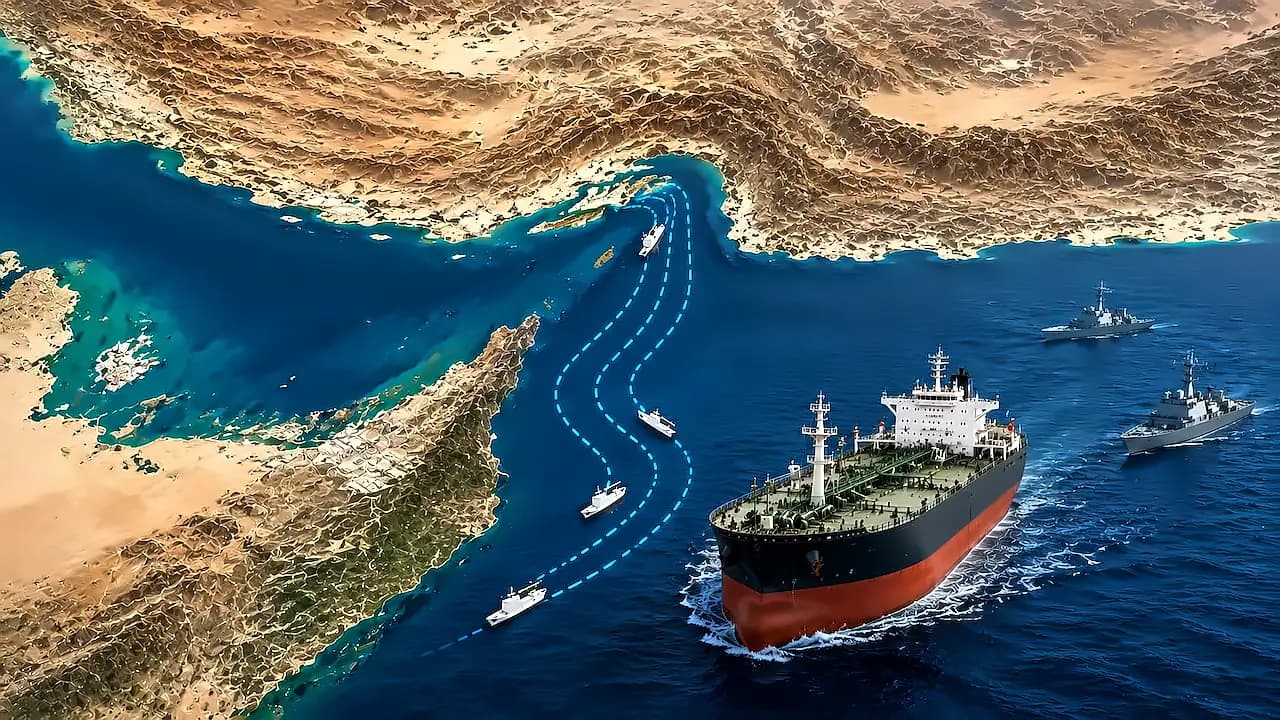
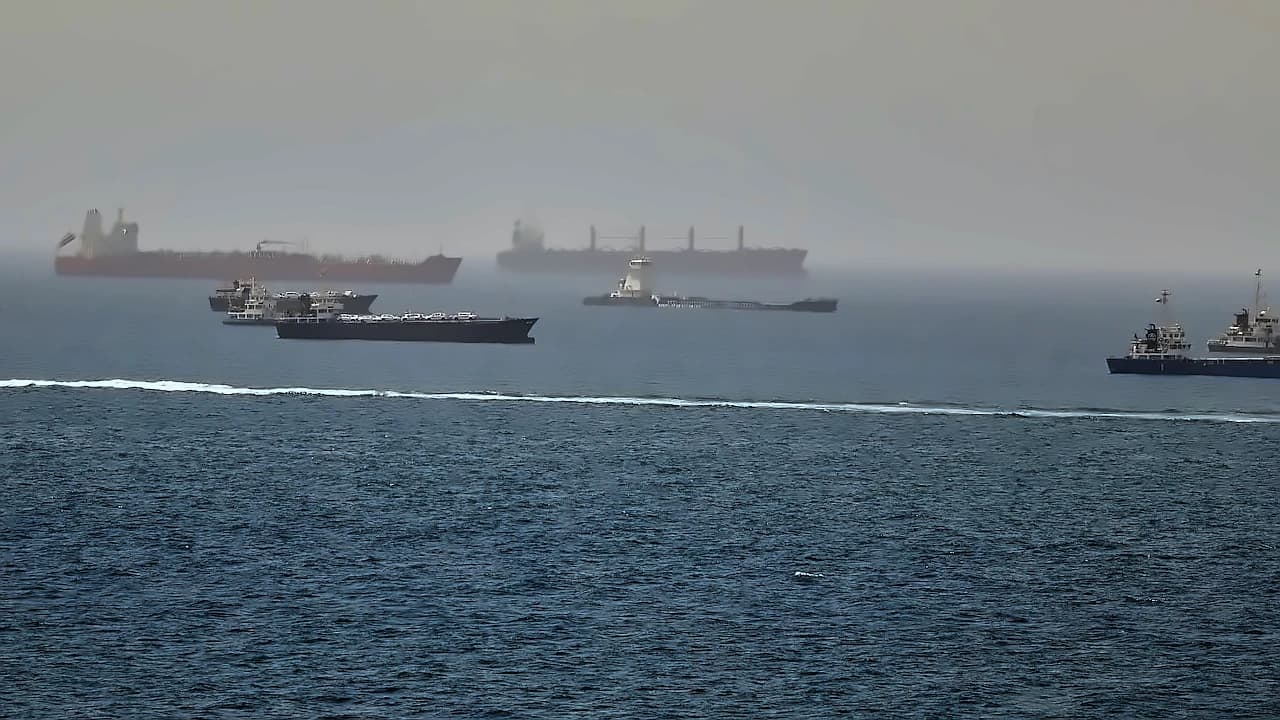
The US military has quietly established a maritime shipping corridor across the Strait of Hormuz, allowing millions of barrels of oil to move daily amid ongoing Iran conflict. According to an Axios report citing two US officials, the operation has been active for several weeks, with 15 to 20 tankers navigating through a southern channel along the Omani coastline every night. The US-led operation is coordinated by a US task force operating out of Army headquarters at Fort Bragg, North Carolina, along with regional Gulf partners. The task force creates daily lists of ships coming out of the Gulf through the Strait of Hormuz and into the Arabian Sea, as well as rented empty tankers that travel from the Arabian Sea through the strait to collect oil. The operation involves more than escorting oil-laden tankers, with the US military helping empty tankers travel from the Arabian Sea through the Strait of Hormuz into Gulf ports to collect oil before returning.
The operation involves more than escorting oil-laden tankers, with the US military helping empty tankers travel from the Arabian Sea through the Strait of Hormuz into Gulf ports to collect oil before returning. Approximately 10 million barrels of oil per day, nearly half of the pre-conflict volume, are being transported out of the Gulf into international markets through the discreet shipping corridor. According to Axios, tankers are organized into structured inbound and outbound convoys that move through the designated southern corridor under American military direction, with peak volumes occasionally reaching between 15 million and 20 million barrels per day. The US Air Force is providing air defence coverage against potential Iranian drone and cruise missile strikes, with US officials noting that American forces have successfully neutralised numerous incoming threats. The US-led effort is aimed at easing the disruption to global oil supplies caused by the war, while flows remain below pre-war levels, US officials say the shipments are helping improve global supply and reduce some of the pressure created by the conflict.
US President Donald Trump ruled out extending a fragile 60-day ceasefire agreement with Tehran, asserting that the Strait of Hormuz remains open and that Washington exercises 'total control' over the strategic maritime passage. As per Axios, Trump told the outlet on Wednesday that 'There is a tremendous amount of oil coming out of the Strait of Hormuz' while clarifying that Washington is not engaged in active negotiations with Tehran. The development comes as the conflict with Iran continues in a stalemate, with the US military operation providing a crucial lifeline for global energy markets despite ongoing hostilities. The operation has been underway for several weeks, with the US military guiding tankers through a southern route to move millions of oil barrels daily.
The Strait of Hormuz has served as a primary point of friction since hostilities escalated on February 28, leading to repeated supply disruptions and conflicting assertions regarding whether the passage is operational or blocked. The strait stands as a critical global energy chokepoint, accounting for roughly 20% of global oil consumption, a quarter of globally traded oil, and approximately 11.4 billion cubic feet of liquefied natural gas (LNG) daily. Trump has previously declared the strategic waterway to be US territory, while Iran maintains conflicting claims. The UAE's decision to suspend all financial and economic transactions with Iran until further notice has refocused attention on fraught ties between the major Gulf Arab oil producer and Iran.
Trump has announced the most crushing economic operation against Iran, warning that countries, banks and businesses providing Tehran with financial or commercial lifelines could themselves face severe economic consequences. In a post on Truth Social on Wednesday, Trump said Iran had 'failed to take' the opportunity to make a deal' and would be subjected to 'economic warfare and isolation on an unprecedented scale'. The operation was likely made possible by a recent two-week US Central Command military campaign that degraded Iran's radar capabilities and maritime surveillance infrastructure. Despite these developments, the dark shuttle transits have combined with pipeline workarounds, stockpile releases, and reductions in demand worldwide to limit the economic impact of the war.