The World Meteorological Organization (WMO) has raised confidence in El Niño persisting through February 2027 to nearly 100%, with the event expected to develop into a very strong event before peaking towards the end of 2026. According to Potato News Today, the widely monitored Niño 3.4 sea-surface temperature anomaly averaged approximately 1.5°C above normal during May–July 2026 and reached 2°C in July, with weekly readings increasing further between late July and mid-August, ranging from 2.2°C to 2.6°C above average. WMO's September–November global seasonal outlook projects an ensemble-average Niño 3.4 anomaly of approximately 3.6°C, with the intensification trajectory expected to peak during November or December.
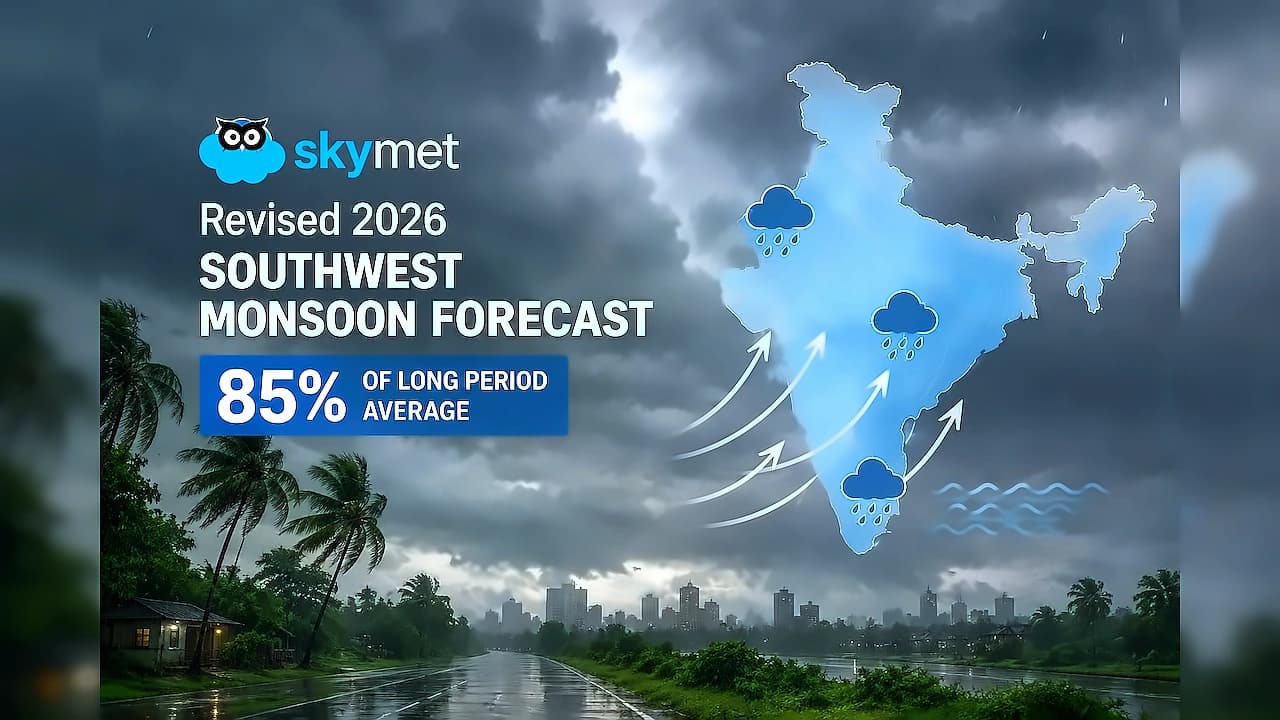
The southwest monsoon was 14% below normal cumulatively across India until September 7, 2026, with the southern peninsula leading the deficit at 27% below-normal rainfall between June 1 and September 7. According to reports from Business Standard, the India Meteorological Department (IMD) has predicted more rainfall in the coming days, which could help reduce the current deficit further. IMD Director General Mrutyunjay Mohapatra said September rainfall was expected to remain below 91% of the long-period average, which could leave rainfall for the full June–September monsoon season below 90% of normal. As reported by The Indian Express, India subsequently ended August with rainfall 16% below normal for the month, with cumulative rainfall through August standing at only 84% of normal.
The geographical spread of the deficit is notable, with 312 of 741 districts monitored by IMD receiving deficient rainfall by the end of August, representing 42% of the country. According to Potato News Today, the southern peninsula recorded an August shortfall of more than 27%, while Central India and the eastern and northeastern regions each finished approximately 16% below normal, and northwestern India was around 10% below normal. Bihar, one of India's important potato-producing states, recorded a rainfall deficit of 40% by the end of August. However, IMD indicated that parts of Bihar, eastern Uttar Pradesh, Odisha and several neighbouring areas could receive normal rainfall during September, even as below-normal rainfall was favoured across most of the country.

The revival in monsoon rains since July has aided the acreage of kharif crops, though overall sowing remains below normal levels. As reported by Business Standard, kharif crops have been sown on around 1,086.31 lakh hectares of land till September 4, which was 1.60% less than the normal acreage of 1,104.44 lakh hectares. The normal acreage is calculated as the average area under crops in the last five years, indicating that current sowing levels are below the historical average. Rice saw the sharpest decline among major crops, with the sown area falling 3.74% to 421.82 lakh hectares from 438.19 lakh hectares a year earlier, while oilseeds area slipped 0.56% to 191.99 lakh hectares and cotton acreage was down 0.63% at 109.17 lakh hectares. Coarse cereals area edged 0.60% lower at 181.39 lakh hectares, but total pulses sowing rose 1.60% to 117.13 lakh hectares, primarily due to a sharp 11.95% increase in urad acreage.
The most immediate concern for India's potato industry is the weak end to the monsoon season, which could raise irrigation demand during potato establishment and early development. According to Potato News Today, September rainfall contributes to residual soil moisture, reservoir storage and groundwater recharge before much of the winter crop is planted. Above-normal autumn temperatures would compound that pressure by increasing evaporation and crop water requirements. If excessive warmth extends into tuber initiation, it could also interfere with tuber formation and reduce the time available for effective bulking. While much of the commercial crop is irrigated, local outcomes will depend on groundwater access, reservoir availability, planting dates, temperatures and the distribution of any post-monsoon rain. The present evidence supports describing India as facing an elevated production risk—not a confirmed potato-production loss.