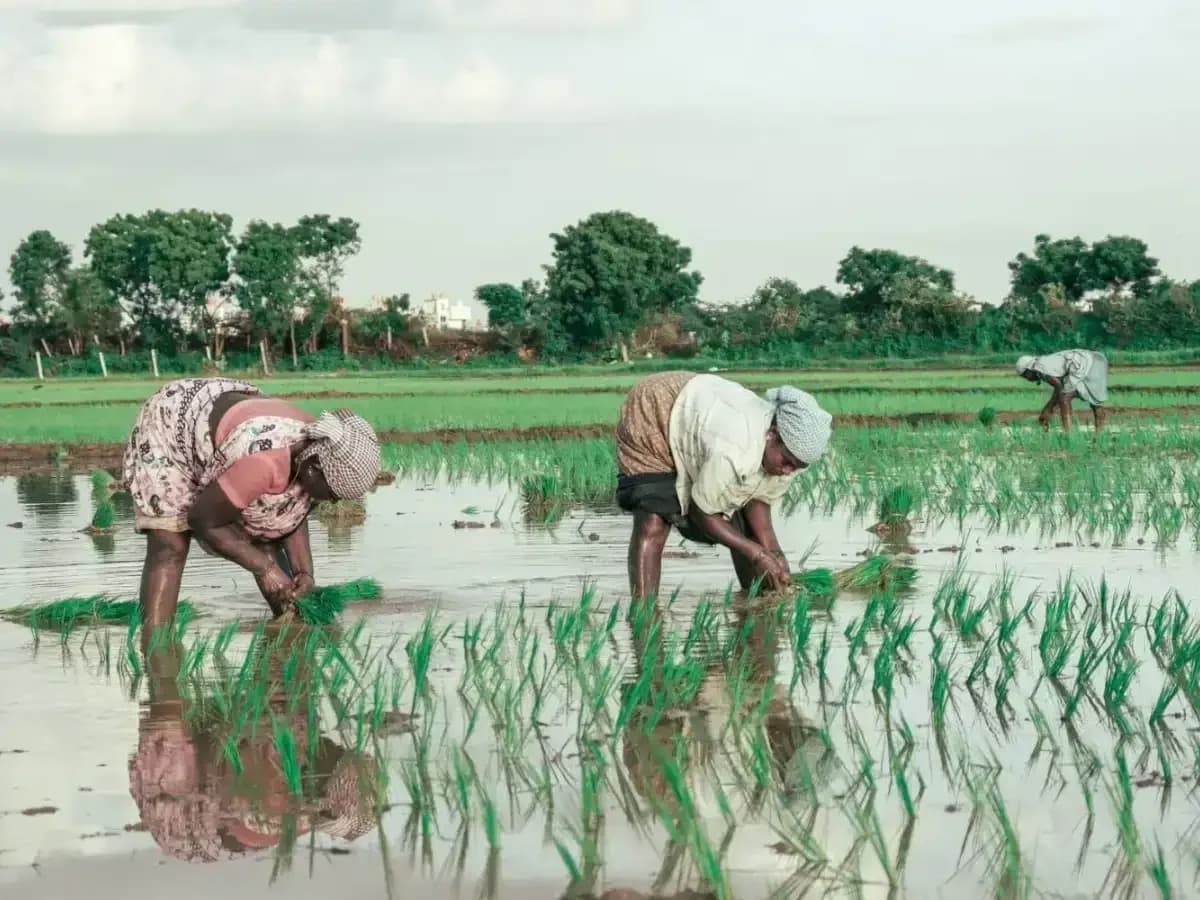
India's monsoon season has opened with a 40% rainfall deficit in June, with the India Meteorological Department forecasting a second consecutive below-normal month in July. This deficit has revived concerns about potential damage to agricultural output, rural income, and food prices. The current forecast comes as India enters this season on the back of a record 2024-25 foodgrain output, which now faces risks from the poor monsoon conditions. According to the latest reports, the timing of this deficit is particularly challenging given the country's recent agricultural achievements. The India Meteorological Department has also forecast below-normal rainfall in July, meaning rainfall may remain below 94% of the usual level for the month.
India's economy has significantly reduced its dependence on monsoon rains over the past decade, according to a report by brokerage firm Bernstein. The transformation is primarily driven by expanding irrigation networks and changing cropping patterns. As reported by Bernstein, India's irrigated area now covers nearly 60% of total cultivated land, up from around 42% in the early 2000s. Irrigation coverage in major agricultural states has increased to around 67% from 54% in 2009, with tubewells and canals becoming important buffers against rainfall deficiencies. The brokerage noted that the widely held belief that nearly 60% of Indian agriculture remains dependent on monsoon rains no longer fully reflects current conditions, as the country's relationship with rainfall has changed significantly due to improvements in irrigation infrastructure and diversification of farming cycles. Bernstein emphasized that "monsoons aren't impacting India the way they used to, and the changing dynamics warrant a reset in how we perceive rainfall and its effects."
A significant shift has occurred in India's agricultural calendar, with Kharif crops' contribution to total foodgrain production declining from nearly 60% until the 1990s to only 47% in 2025-26. According to the Bernstein report, this reduction is attributed to the growing importance of Rabi crops and a relatively new summer sowing season running from February to May. The diversification away from monsoon-dependent crops has substantially reduced India's vulnerability to poor rainfall during the critical Kharif season. As noted by Bernstein, weaker rainfall may still impact specific agricultural segments, particularly crops such as pulses and vegetables, but it is unlikely to create widespread food inflation or sharply weaken rural consumption. The report emphasizes that while low rainfall is still harmful, it is unlikely to kill rural demand like it had in the past. The brokerage highlighted that "while low rainfall is still harmful, it is unlikely to kill rural demand like it had in the past," and the impact of deficient monsoons is now expected to be more nuanced, affecting specific economic pockets rather than triggering broad-based distress.
The report highlights how deficient monsoons used to cause sharp declines in agricultural output and rural incomes, as exemplified by 2002 when rainfall fell to 81% of the long-period average, leading to a steep drop in foodgrain production and severe contraction in rural disposable incomes. However, as noted by Bernstein, India continued to register rising foodgrain production despite below-normal monsoons in 2018-19 and 2023-24, demonstrating the effectiveness of the structural changes implemented over the past decade. The shift has largely been driven by greater access to irrigation and a move toward year-round farming, with the correlation between monsoons and agricultural performance weakening over time. The shift has largely been driven by greater access to irrigation and a move toward year-round farming, with the correlation between monsoons and agricultural performance weakening over time. The shift has largely been driven by greater access to irrigation and a move toward year-round farming, with the correlation between monsoons and agricultural performance weakening over time. The shift has largely been driven by greater access to irrigation and a move toward year-round farming, with the correlation between monsoons and agricultural performance weakening over time. The shift has largely been driven by greater access to irrigation and a move toward year-round farming, with the correlation between monsoons and agricultural performance weakening over time. The shift has largely been driven by greater access to irrigation and a move toward year-round farming, with the correlation between monsoons and agricultural performance weakening over time.
According to the Bernstein report, poor monsoons are no longer an immediate food-security threat and are unlikely to devastate rural demand in the way they once did. The impact of deficient monsoons is now expected to be more nuanced, affecting specific economic pockets rather than triggering broad-based distress. Food inflation risks are expected to be more contained and concentrated in select categories such as pulses and vegetables rather than causing widespread price surges across the agricultural sector. The report emphasizes that while immediate agricultural impacts may be contained, these structural changes mean poor monsoons are no longer an immediate food-security threat and are unlikely to devastate rural demand in the way they once did. A weak monsoon affects the economy through three major channels: lower rainfall can reduce kharif sowing, damage standing crops and lower farm productivity, when farm output falls, rural purchasing power weakens, and poor rainfall can reduce food supply and push up prices of vegetables, pulses, cereals and edible oils. The impact extends beyond agriculture, as a weak monsoon can worsen food inflation and create a policy dilemma for the government and RBI in balancing growth support with inflation control. The report noted that concerns around delayed Kharif sowing may be exaggerated, as only around 8% of the normally cultivated area had been sown by mid-June, which is not significantly different from historical trends.
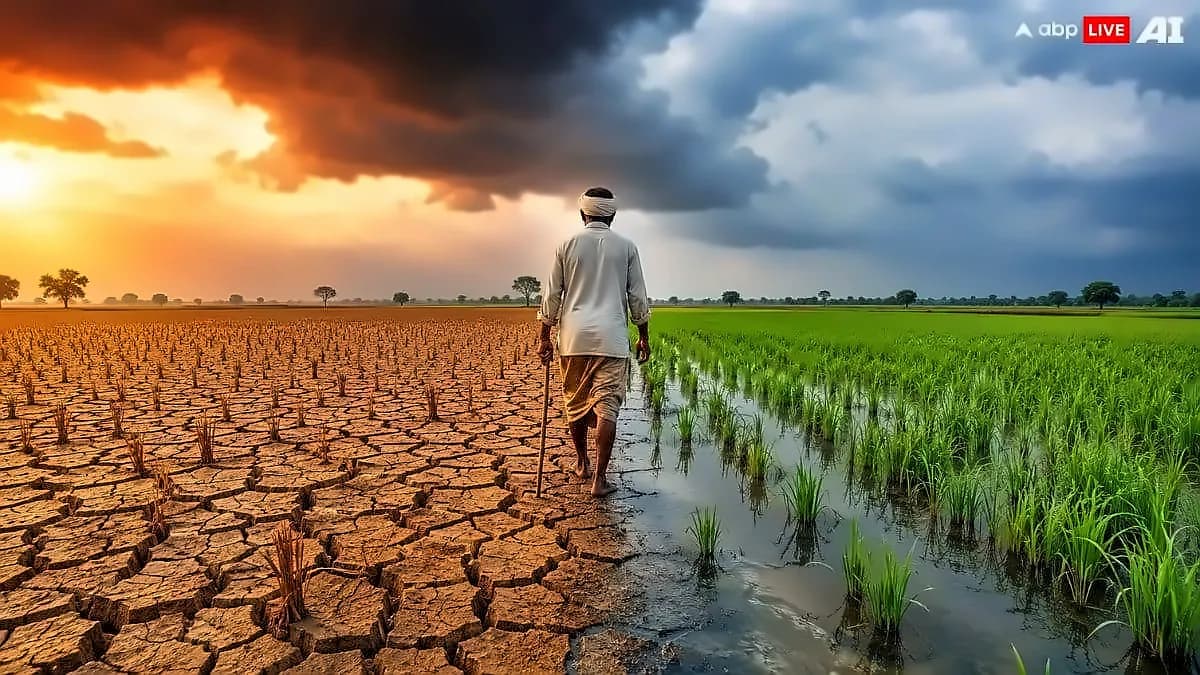
Despite the reduced vulnerability, the report identifies long-term macroeconomic challenges through groundwater depletion and rising electricity demand from the farm sector. As noted by Bernstein, reservoir levels have already fallen to levels that are among the lowest in recent years, with major reservoirs operating at around 28% of total capacity. Lower rainfall could intensify dependence on groundwater and electric-powered irrigation systems, pushing up power demand from the farm sector and further straining water resources. These risks could also spill over into India's industrial ambitions, including the development of energy-intensive sectors such as data centres and semiconductor manufacturing. The report emphasizes that while immediate agricultural impacts may be contained, these structural challenges require continued attention, with lower reservoir levels also affecting energy-intensive industries such as data centres and semiconductor manufacturing. Recent analysis suggests that policy response, not rainfall alone, determines the scale of damage - with India's current toolkit remaining weighted toward reactive measures like crop insurance and buffer stock release rather than ex-ante investment in irrigation and drought-resistant seed. The report concludes that India must therefore focus on drought-proofing its economy through climate-resilient agriculture, better water management and stronger rural safety nets.