Gaura Sengupta, Chief Economist at IDFC First Bank, has warned that the cumulative fuel price hike in the current financial year 2026-27 (FY27) will be around ₹10 per litre, spread across the next few months. Speaking exclusively to NDTV Profit on Tuesday, May 19, Sengupta explained that the impact of the latest fuel price hike will be built into May inflation data, with secondary pass-through effects expected to impact June and July consumer price index-led inflation. She noted that India's inflation is expected to average around 4.9% in FY27, assuming the Iran war eases, though the restoration of global crude oil supply from the Persian Gulf to Asian importers will take time to even out in the next few months.
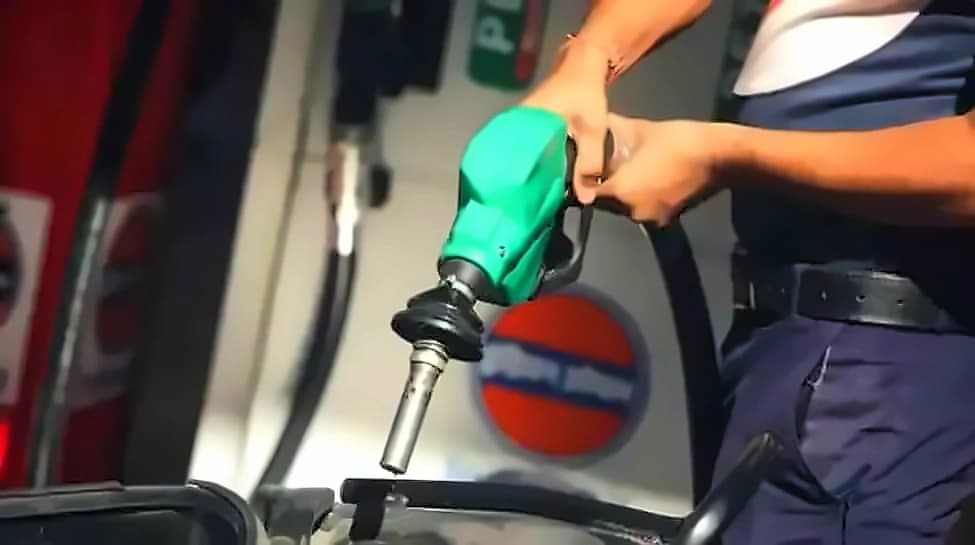
Oil Marketing Companies (OMCs) have implemented a 90 paise per litre increase in petrol and diesel prices effective from May 19, 2026. According to reports from PTI, this marks the second price hike in less than a week, as companies continue to adjust fuel rates in response to market conditions. The latest increase follows a ₹3 per litre hike on Friday, demonstrating the rapid pace of fuel price adjustments in the current market environment. The hike in domestic prices comes as OMCs have been bearing the brunt of elevated global crude oil prices due to the broader supply disruptions amid the Persian Gulf's Strait of Hormuz blockade that has destabilised energy markets worldwide.
The price increase comes amidst an energy crisis led by the US-Iran war, which has significantly impacted global oil markets. As reported by NDTV Profit, global crude prices have surged from around $70 to $110 per barrel since the start of the war in February. Sengupta noted that the current global crude price surge and effective hike in domestic fuel prices is much more severe than what was experienced during the beginning of the Russia-Ukraine war in 2022. The ongoing conflict has created supply disruptions in GCC countries, with production supply of crude oil impacted and taking time to ease. However, Middle East countries are holding onto significant crude oil inventory that has not been released into the markets yet, which may influence future pricing decisions.
The 90 paise per litre increase applies to both petrol and diesel fuel across major Indian cities. According to PTI, the price hike is effective immediately, meaning consumers will see the updated rates at fuel pumps from the morning of May 19, 2026. In Delhi, petrol now retails at ₹98.64 per litre (up by 87 paise) while diesel is priced at ₹91.58 per litre (higher by 91 paise). With the latest hike, the total price increase now stands at ₹3.9 per litre, as reported by NDTV Profit.
Mumbai recorded the highest petrol price at ₹107.59 per litre (up by 91 paise) and diesel at ₹94.08 per litre (higher by 94 paise). Kolkata saw the steepest hike in petrol at ₹109.70 per litre (up by 96 paise) and diesel at ₹96.07 per litre (higher by 94 paise). Chennai recorded petrol prices at ₹104.49 per litre (up by 82 paise) and diesel at ₹96.11 per litre (higher by 86 paise).
MK Surana, former Chairman and Managing Director of state-run OMC Hindustan Petroleum Corp Ltd (HPCL), told NDTV Profit that the government is following a calibrated approach on fuel price hike and is trying to protect the consumer from price shock 'as much and as far as possible'. Surana explained that the second 90 paise hike was not enough amid the rise in global crude prices, though the government is keeping its options open for further fuel price hikes. According to Sengupta, the RBI will step in if supply-side measures don't work in the next few months, though she maintains that fiscal policy will be the government's top priority to alleviate the crisis. She expects the Indian crude basket to average around $90 per barrel in FY27.