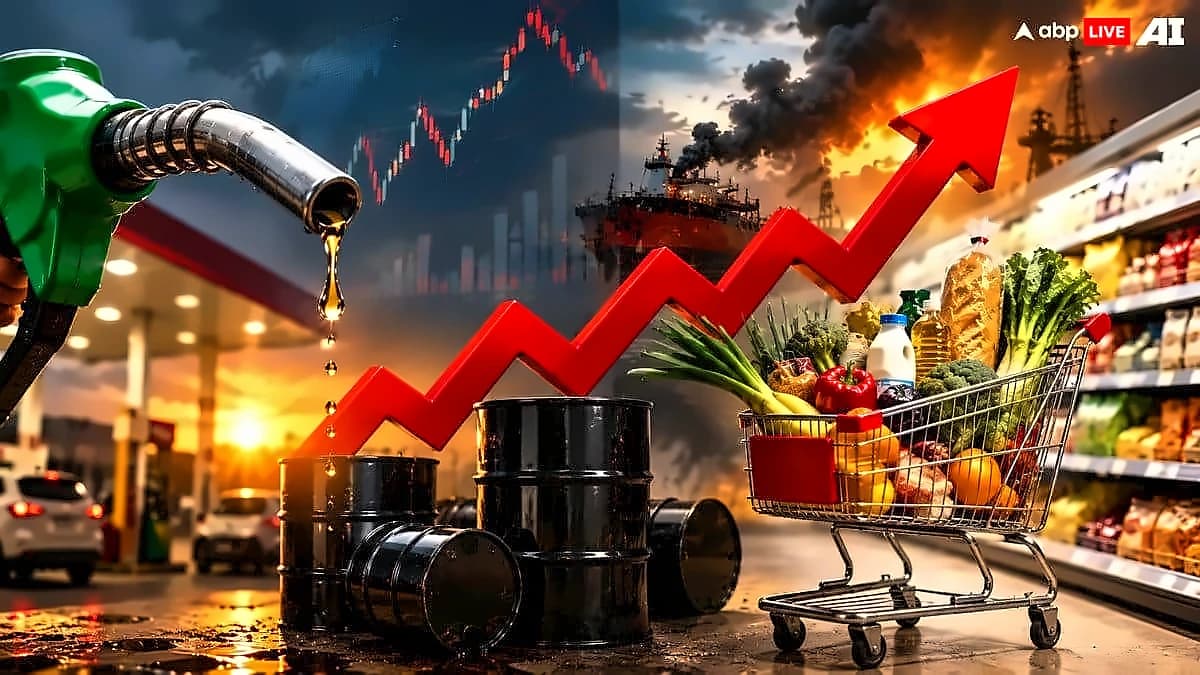
India's retail inflation has reached a 13-month high of 3.48% in April 2026, driven primarily by rising energy costs from the ongoing US-Iran conflict. According to reports from Moneycontrol, this surge was largely attributed to increased prices of food and beverages, clothing, housing and utilities. The Consumer Price Index (CPI)-based inflation has remained well within the Reserve Bank of India's 2%-6% tolerance band since October 2024, but energy prices still pose risks to this benign inflation trajectory.
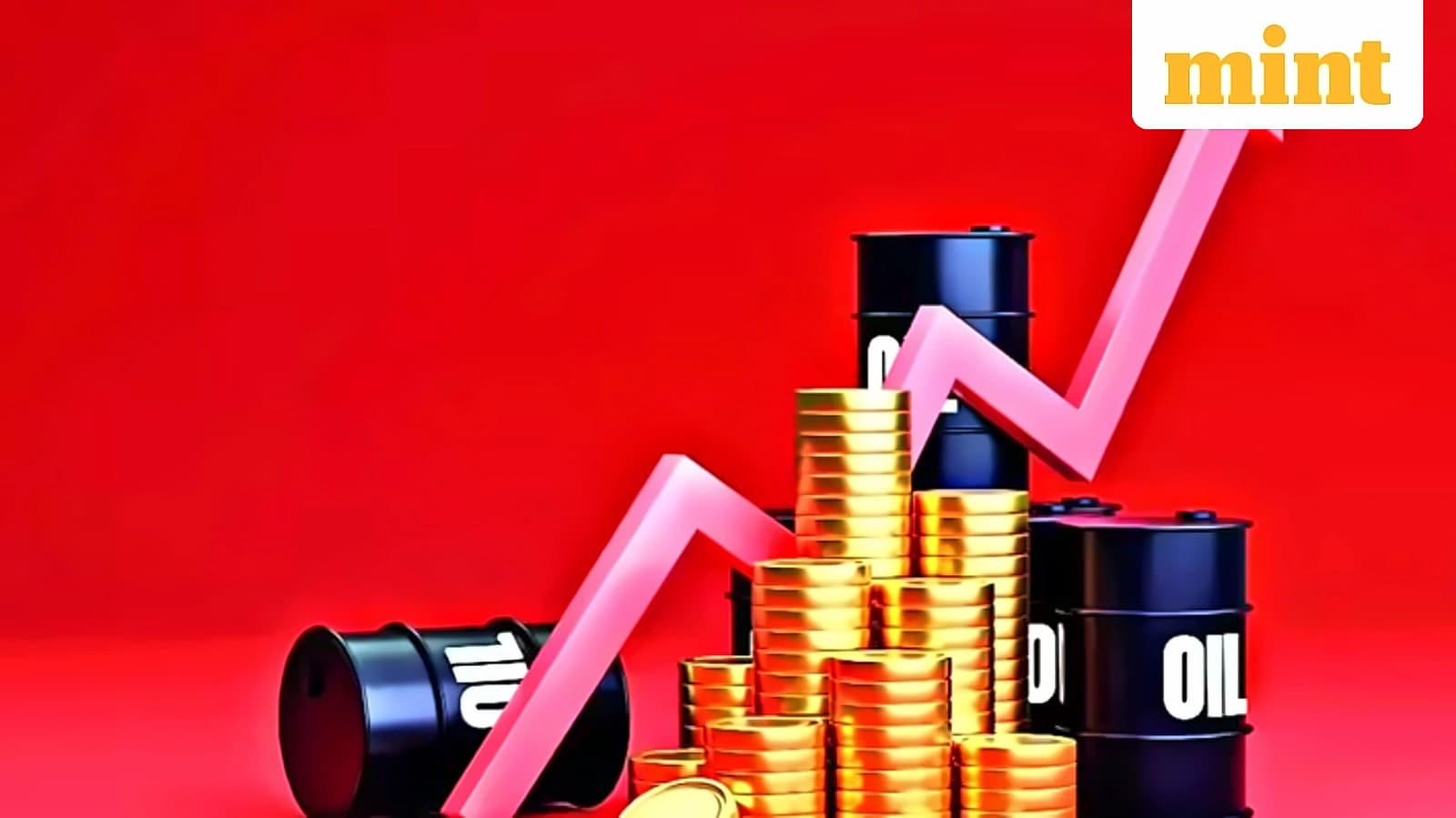
Petrol and diesel prices have been hiked again by 90 paise per litre, marking the second increase in less than a week after a four-year freeze, pushing fuel rates in Delhi, Mumbai, Kolkata and Chennai to their highest levels since May 2022. As per Outlook Business, petrol prices in New Delhi now cost ₹98.64 per litre from ₹97.77, while diesel rose to ₹91.58 from ₹90.67. Global crude prices have surged more than 50% since US-Israeli strikes on Iran on February 28 and Tehran's retaliation, disrupting flows through the Strait of Hormuz. Despite the surge, retail fuel rates were kept frozen at two-year-old rates as part of what the government said was an effort to shield price-sensitive consumers from higher global energy costs.
India's wholesale inflation surged to a 42-month high of 8.3% in April from 3.88% in March, primarily due to higher fuel prices. As reported by Moneycontrol, the impact of the US-Iran war and the blockade of the Strait of Hormuz has slowly started to reflect in inflation prints. A sharp jump in wholesale inflation can eventually lead to gradual increases in retail inflation as merchants and traders may feel forced to pass on higher prices to consumers. If energy supply remains disrupted for a prolonged period, the government may decide to further increase oil and gas prices, as oil marketing companies cannot sustain huge losses for much longer.
According to a Moneycontrol report, the finance ministry expects CPI-based inflation to average in the range of 5.5% to 6% in FY27. Debopam Chaudhuri, Chief Economist at Piramal Group, noted that sharp rise in petrochemical and hydrocarbon-linked input costs across products such as naphtha, ammonia gas, polyethylene, and furnace oil pose significant upside risks to retail inflation in FY27. However, if India's average crude import basket cost moderates to around $95 per barrel before the end of first half of FY27, headline retail inflation could still be contained at around 4.8% or lower. Radhika Rao from DBS Bank expects annual inflation to average 4.9% year-on-year for FY27, before easing to 4% next year.
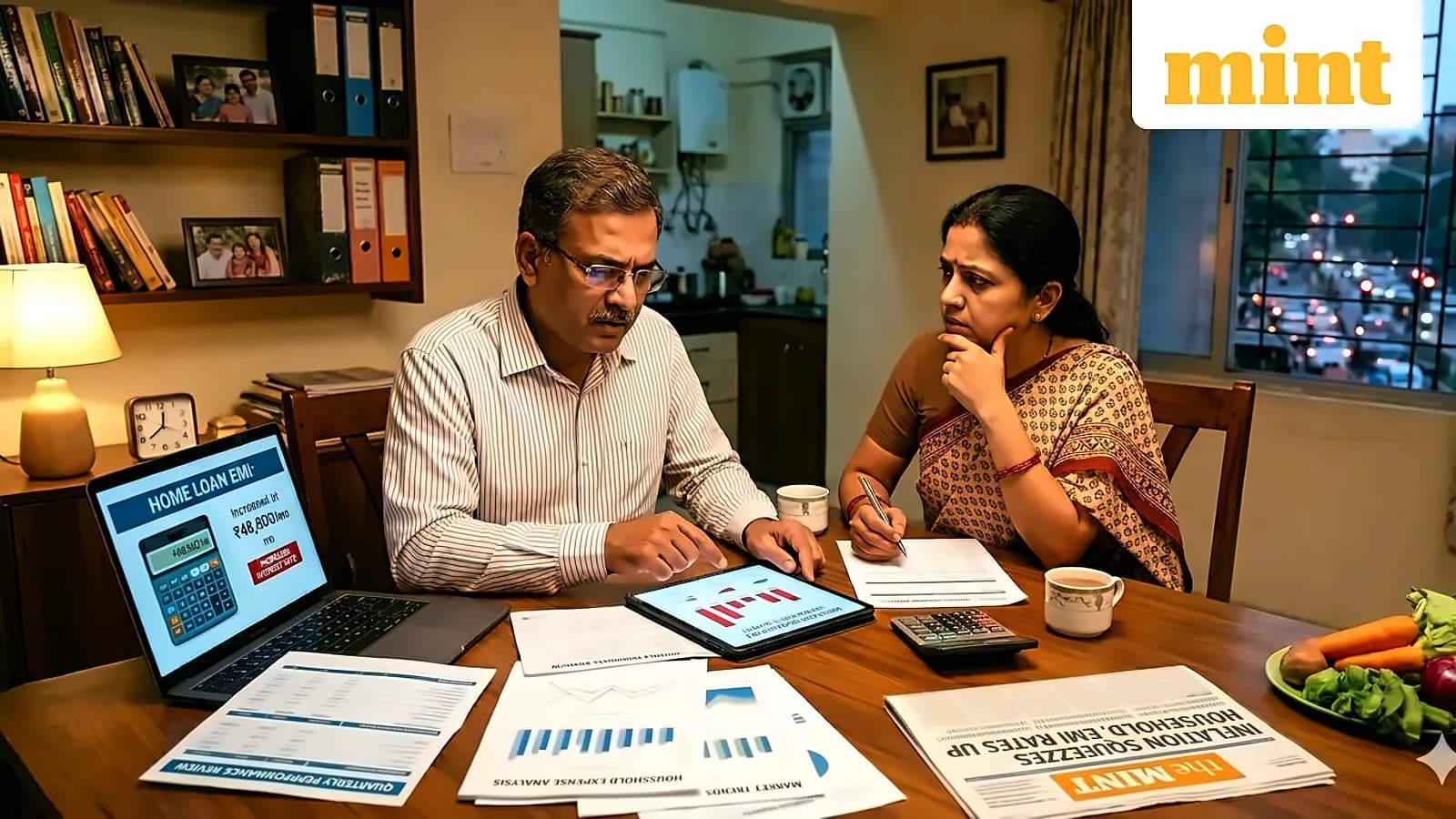
Financial experts recommend diversified investment approaches in a rising inflationary environment. According to Shashank Udupa from Smallcase, investors should reduce lifestyle spends and EMIs as quickly as possible, while increasing savings in diversified baskets such as SIPs, bonds and gold. Pravesh Gour from Swastika Investmart emphasized that traditional low-yield savings instruments alone may not be sufficient to beat inflation over the long term, recommending diversified investments across equities, gold and inflation-resilient assets. Systematic investment plans may help individuals benefit from long-term wealth creation despite short-term volatility.