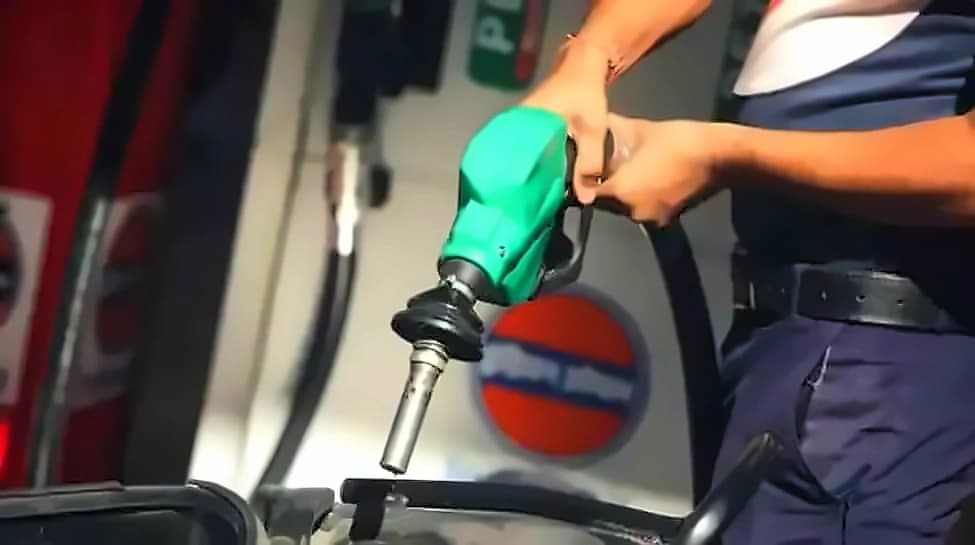
Rising petrol and diesel prices are set to rekindle inflationary pressures across the economy, with petrol and diesel prices rising by around ₹7.5 per litre since May 15, and further increases possible if global crude oil prices remain elevated. According to Crisil, with oil marketing companies gradually paring their losses, cumulative hikes could move closer to ₹10 per litre in the near term. The report warns that a ₹7.5-per-litre increase in fuel prices could directly add around 36 basis points to Consumer Price Index (CPI) inflation, with the impact potentially rising to nearly 48 basis points if cumulative increases reach ₹10 per litre. The broader effect will reverberate across the economy through higher transport costs, pushing up both food and core inflation. As Crisil notes, the economy has only recently started facing retail fuel price hikes, with some more on the anvil, amplifying both the direct and indirect inflationary risks.
The impact of higher fuel prices is expected to spread through freight and logistics costs, with road transport accounting for about 71 per cent of India's freight movement, where fuel makes up nearly 42 per cent of operating expenses. According to Crisil, freight transport accounts for 54 per cent of India's logistics costs and road transport represents nearly 71 per cent of total freight movement. As reported by Crisil, the increase in retail fuel prices will directly impact these freight cost structures and feed into prices across supply chains in the coming months. Food categories that depend heavily on transportation networks—including dairy products, tea, coffee, fruits, pulses, spices, eggs, meat and fish—are expected to face the greatest impact. The confluence of a low base and rising transport costs will quicken the pace of food inflation, with transport costs contributing more to the prices of these categories than the national average. Clothing, electronic products, wood products and housing-related construction materials are also more transport-intensive than the national average, with rising transport prices impacting the final prices of these products.
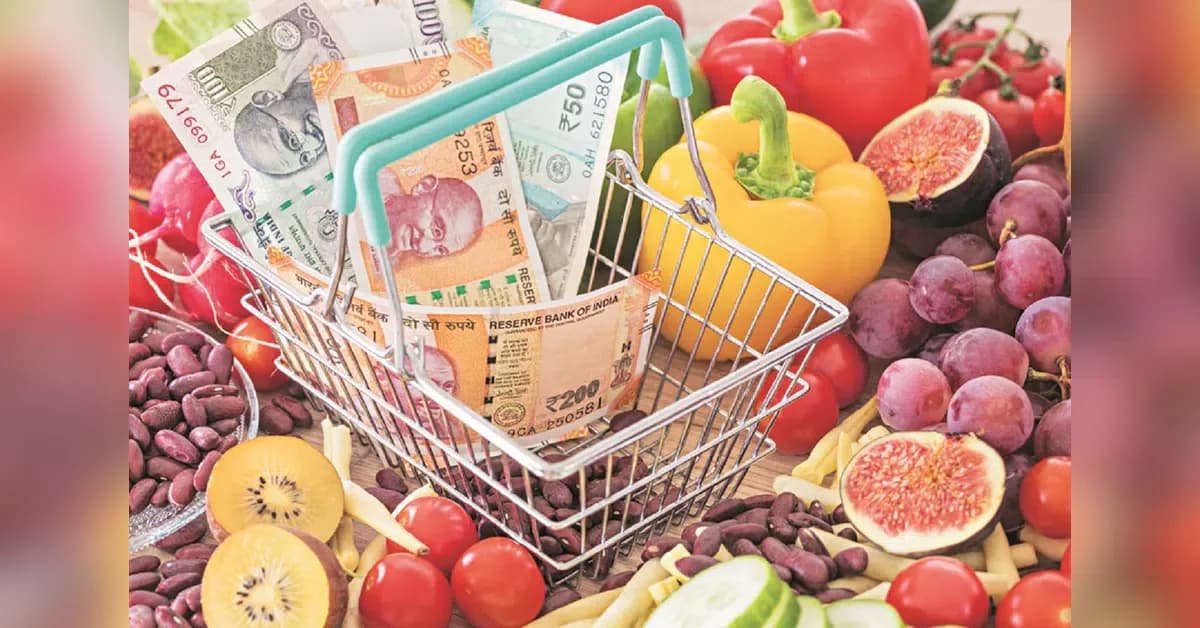
Companies across food, beverage, home and personal care categories are implementing price increases to offset rising input costs. According to Systematix Research, firms have already raised prices by 3-7% over the past one to two months after their raw material basket costs climbed nearly 8-10% on average. The report indicates that pricing growth is likely to become a larger contributor to revenue growth for consumer staple companies in the first half of FY27, with pricing and volume growth expected to remain broadly balanced at 50:50. However, further price hikes and grammage cuts are highly likely in food and beverage (F&B) as well as home and personal care (HPC) products as companies attempt to offset the inflationary impact with a combination of pricing, mix and cost savings. Manufacturers are increasingly likely to pass on higher costs to consumers to protect profit margins, with input cost pressure for manufacturers likely to increase due to transport-intensive manufacturing inputs such as mining (iron ore, coal) and chemical products.
While recent price hikes may help companies protect absolute gross profits, pressure on margins is expected to continue through the first half of FY27. According to the report, elevated raw material inflation could weigh on the broader margin outlook of companies. Gross margins of major companies covered by the brokerage contracted around 50 basis points year-on-year and nearly 30 basis points quarter-on-quarter in Q4 FY26, with most of the impact from the latest wave of cost inflation expected to become visible in the first half of FY27. This could create concerns around the overall margin outlook for FY27, with analysts believing this adds to stagflation risks as elevated inflation along with easing economic growth and geopolitical uncertainty will not only depress volume growth but could also result in a period of stagflation.
The impact of rising input costs is becoming increasingly visible in categories linked to palm oil, crude oil and packaging. As reported by Systematix Research, palm oil prices have increased 11%, while Brent crude prices have surged 32% amid the ongoing conflict in West Asia. Packaging costs have risen sharply due to a steep increase in High-Density Polyethylene (HDPE) prices, which have jumped 56%. HDPE, a petroleum-derived thermoplastic, is widely used in consumer packaging such as shampoo bottles, detergent containers, jerry cans, bottle caps and flexible packs. Part of the sharp raw material inflation was already visible during the March quarter, with the current cost inflation expected to be reflected during the first half of FY27. Crisil notes that crude oil prices have averaged around USD 112 per barrel during the first two months of the current financial year, significantly higher than their base-case assumption of about USD 95 per barrel for the full year. The agency also notes that the Goods and Services Tax (GST) rationalisation announced in September 2025 lowered inflation across several mass-consumption items such as electronics, automobiles, clothing, fast-moving consumer goods and processed foods, which should continue to provide a partial counterbalance for at least a year.
With fuel and CNG prices already adding pressure on household expenses, consumers may have to prepare for a further rise in the cost of kitchen staples and other everyday items in the coming months. According to the report, the combination of rising input costs and strategic pricing adjustments means consumers may face both higher prices and smaller quantities for their daily-use products across multiple categories. India's current retail inflation is at 3.48% for April 2026 and food inflation at 4.20%. While headline inflation remains below the Reserve Bank of India's 4 per cent target, Crisil expects inflation to trend higher, though it is likely to remain within the RBI's 2-6 per cent tolerance band. The central bank is expected to keep a close watch on household inflation expectations and the risk of rising transportation and input costs triggering broader price pressures. Crisil expects CPI inflation to move up but not cross the upper limit of the 6 per cent tolerance band, with the RBI's Monetary Policy Committee likely to look through these supply-side pressures on CPI inflation.