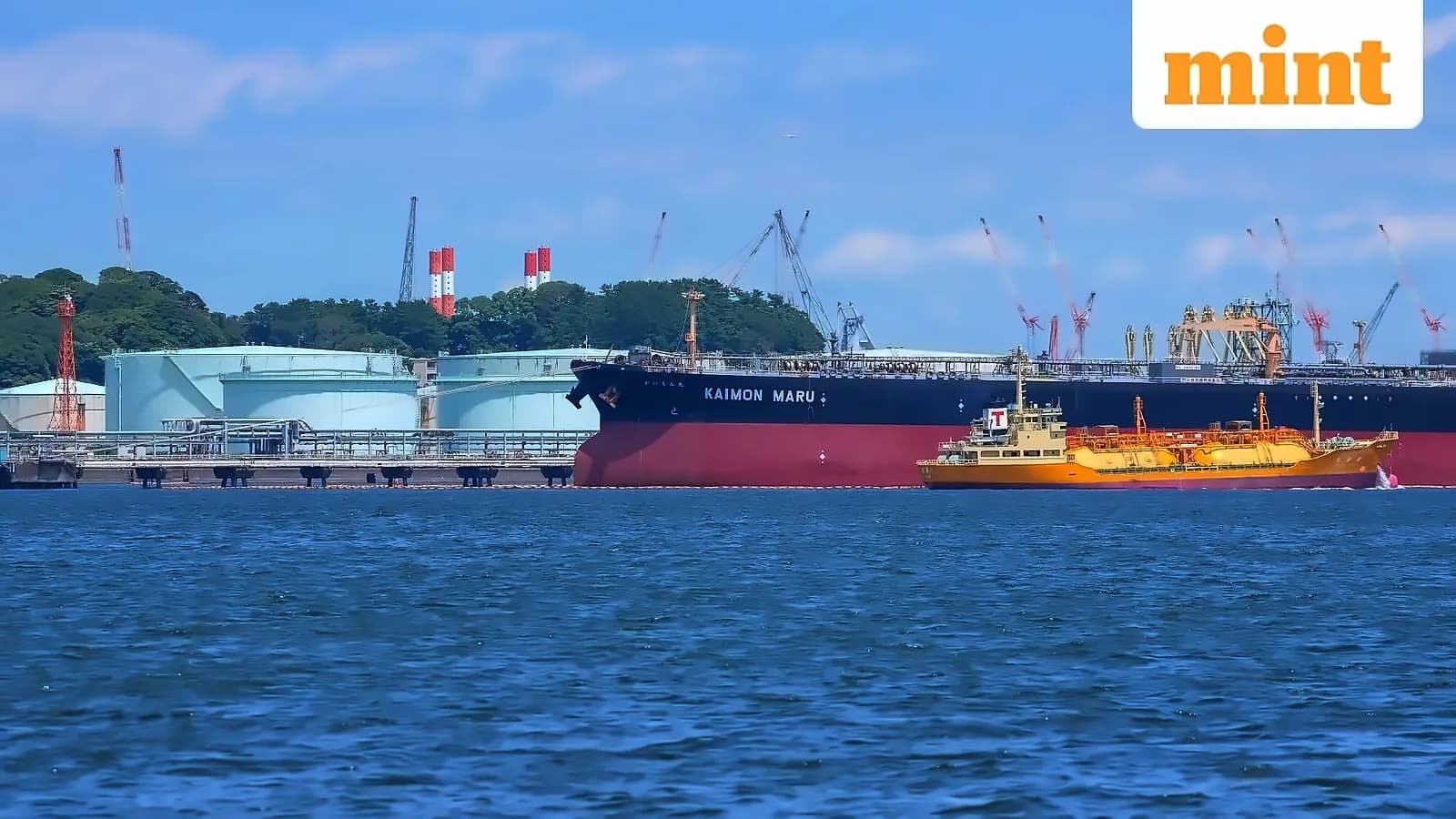
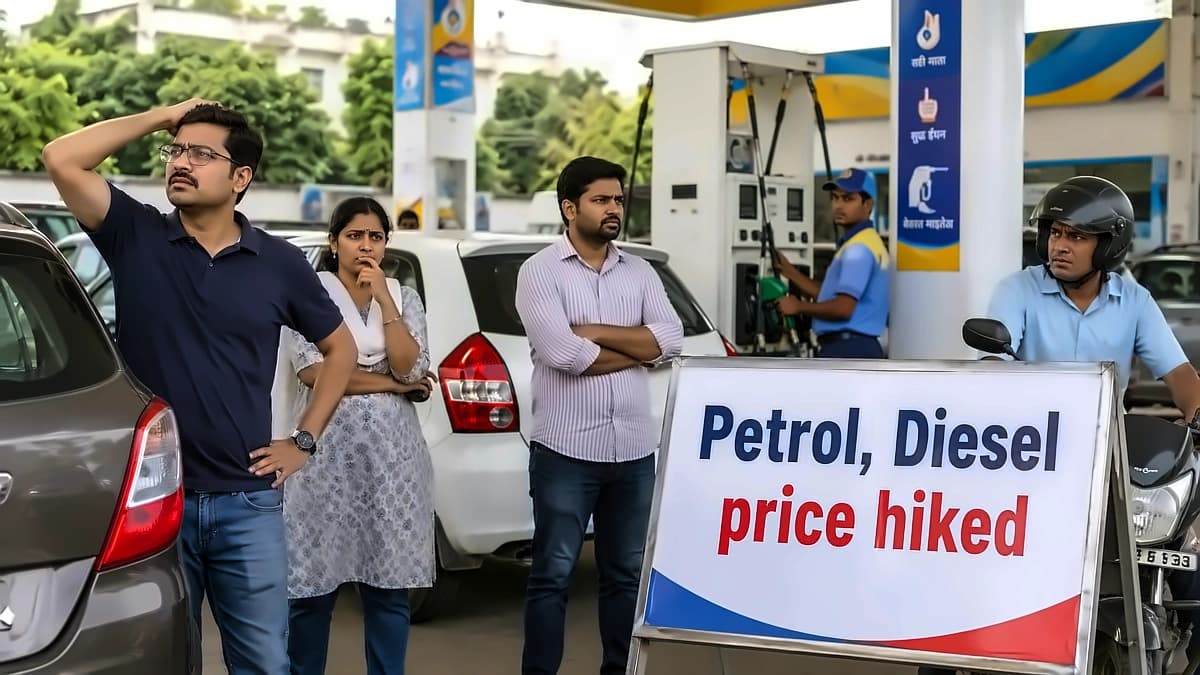
Oil prices have surged to $111.04 per barrel as of May 15, 2026, representing a $3.22 increase from yesterday's price of $107.82 and marking a $46 jump compared to the same period last year. According to reports from Business Standard, markets are betting that the Gulf energy shock will fade, but for India, an oil-importing economy, crude at $100–110 remains a real macro problem. As reported, oil marketing companies are still absorbing under-recoveries of roughly ₹17-18 per litre even after the excise duty cuts announced earlier this year. A ₹10 per litre increase in petrol and diesel would cover only about half of the current gap, making further fuel price hikes hard to avoid.
The aviation sector has been particularly hard hit by the oil surge, with jet fuel prices jumping from $85-$90 to $150-$200 per barrel amid the U.S.-Israeli war against Iran. Airlines worldwide are implementing dramatic cost-cutting measures and fare increases to offset the massive fuel bill increases. U.S. budget airlines including Frontier have pitched a $2.5 billion relief plan to the U.S. government, while Delta Airlines slashed its 2026 profit forecast, pushing the lower end to a loss and expecting the jet fuel bill to increase by more than $4 billion this year. The airline's CEO warned that ticket prices may need to rise by as much as 15% to 20% to offset the fuel cost surge.
According to News Today reporting, Dr. Ashok Kumar Lahiri, VC Niti Ayog, explained the economic impact of the war-induced supply shock, stating that "One, you have a supply shock. Supply has gone down. So, either you voluntarily cut down demand and let supply and demand adjust themselves without much of a price rise, or, if demand is not adjusted, prices will go up and do the needful." The government has already started responding with recent increases in import duties on gold and silver to protect the current account and reduce external balance pressure. With the Nifty still trading on relatively rich forward valuations, the more likely outcome is multiple compression, not reward for earnings upgrades.

As reported by Business Standard, India usually experiences domestic fuel shock in three stages: inflation, sentiment hit, and pressure on discretionary consumption. The third stage, which markets should care about most, is pressure on discretionary consumption that shows up fastest in rural and mass-market segments where fuel and transport costs take a larger share of household budgets. Costlier diesel also feeds directly into farm economics through irrigation, freight and logistics, creating a gradual squeeze on discretionary spending in categories such as entry-level consumer goods, two-wheelers, paints and affordable housing-linked purchases.
According to the analysis from Business Standard, rural balance sheets are healthier than they were in past oil shocks, and welfare transfers still provide support. Urban employment is also holding up, so while consumption could soften at the margin, a full demand collapse remains unlikely unless crude stays elevated for much longer. The report notes that the bigger risk sits with policy transmission, as a ₹10-per litre fuel hike could push inflation toward 4.4 per cent, potentially forcing the Reserve Bank of India to tighten sooner than expected. India enters this oil shock in better shape than it did in earlier episodes, with forex reserves stronger, banks better capitalised, and the domestic investment cycle firmer than a decade ago.