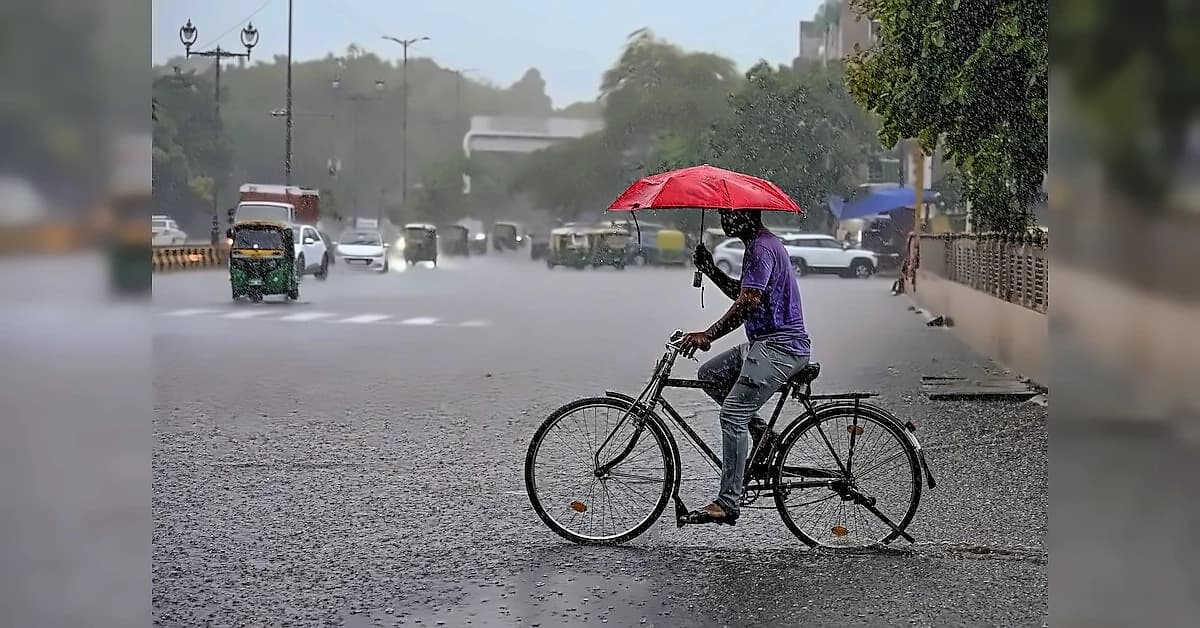
The India Meteorological Department (IMD) has forecast that India is likely to receive below-normal rainfall in July 2026, with monthly rainfall expected to be less than 94% of the long period average (LPA) of 280.4 mm. As reported by Business Standard, July is typically the wettest month of the southwest monsoon season and accounts for a significant share of the country's seasonal rainfall. The forecast follows a weak start to the monsoon, with the country recording a 40% rainfall deficit in June and the monsoon advancing around 10 days behind schedule over parts of central and northwest India. According to the India Meteorological Department's updated 2026 seasonal outlook, the monsoon is expected to deliver around 90% of the long-period average, placing the season in the below-normal category, with a 60% chance of a deficient season and an 84% chance of below-normal or deficient rainfall overall.
According to the IMD forecast, below-normal rainfall is expected across most parts of the country, except some areas of northwest and northeast India, east-central India, and the eastern peninsular region, where rainfall is likely to be normal to above normal. IMD Director General Mrutyunjay Mohapatra confirmed that the monsoon is expected to reach the Delhi-NCR region in the next two to three days. The outlook reflects the uneven distribution of rainfall across regions and time, making policy preparedness critical for effective response strategies. The Finance Ministry's monthly economic review has emphasised the need to build water buffers in the coming years to tackle severe water shortages and droughts, with the focus now shifted to concerns related to delayed southwest monsoon, including its impact on Kharif sowing.
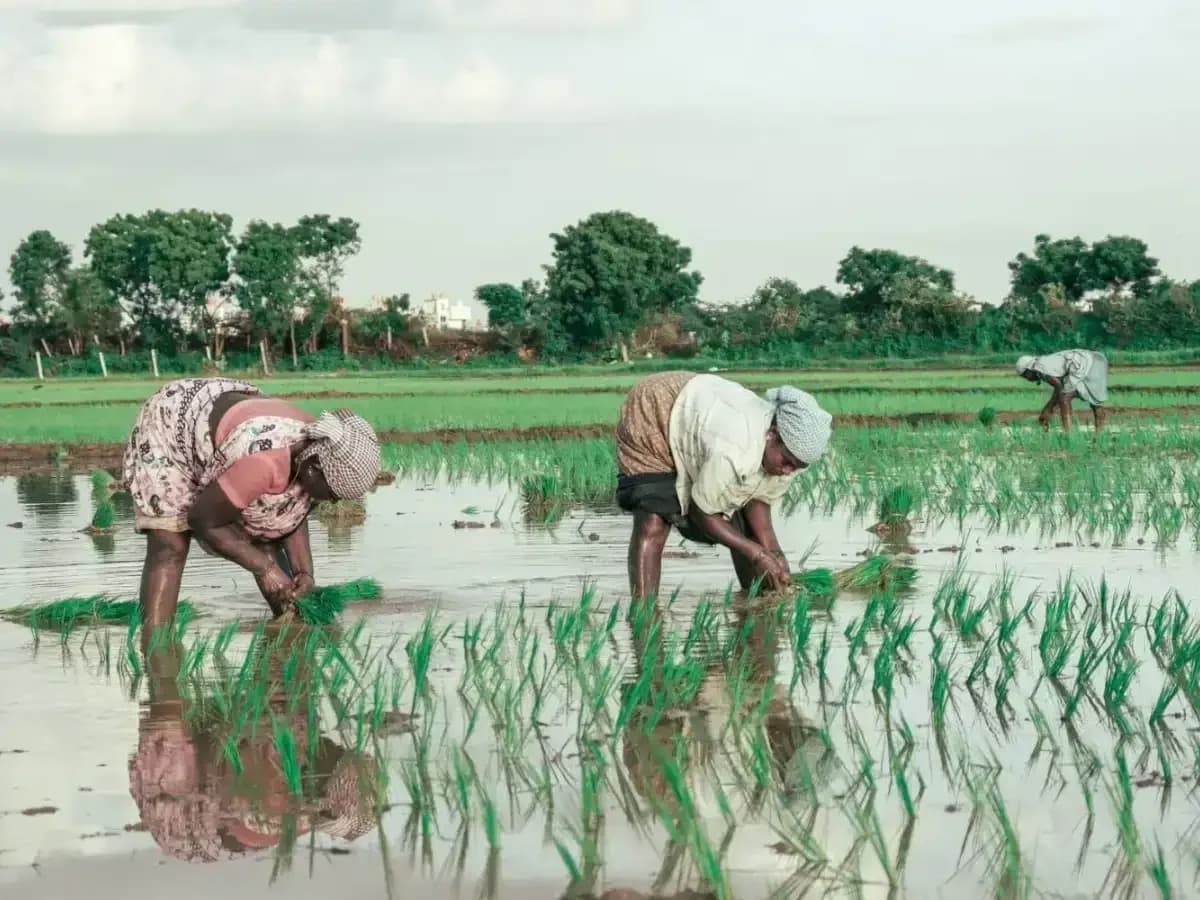
Reports of setbacks to pulse sowing, including tur, moong and urad in parts of Karnataka and Maharashtra, highlight the vulnerability of rainfed farming in India. According to Business Standard, agriculture and allied activities account for approximately 18% of India's gross domestic product but still support nearly half the workforce. A weak monsoon can significantly affect rural incomes, employment and consumption demand across large parts of the economy. The Finance Ministry's monthly economic review has warned that the nation is set to close the month as the third driest June in a century, with the all-India rainfall deficit standing at 42%, thanks to heatwave like conditions and postponed rains triggered by El Niño. The U.S. Drought Portal explains that drought can reduce the water availability and water quality necessary for productive farms, ranches, and grazing lands, resulting in significant negative direct and indirect economic impacts to the agricultural sector.
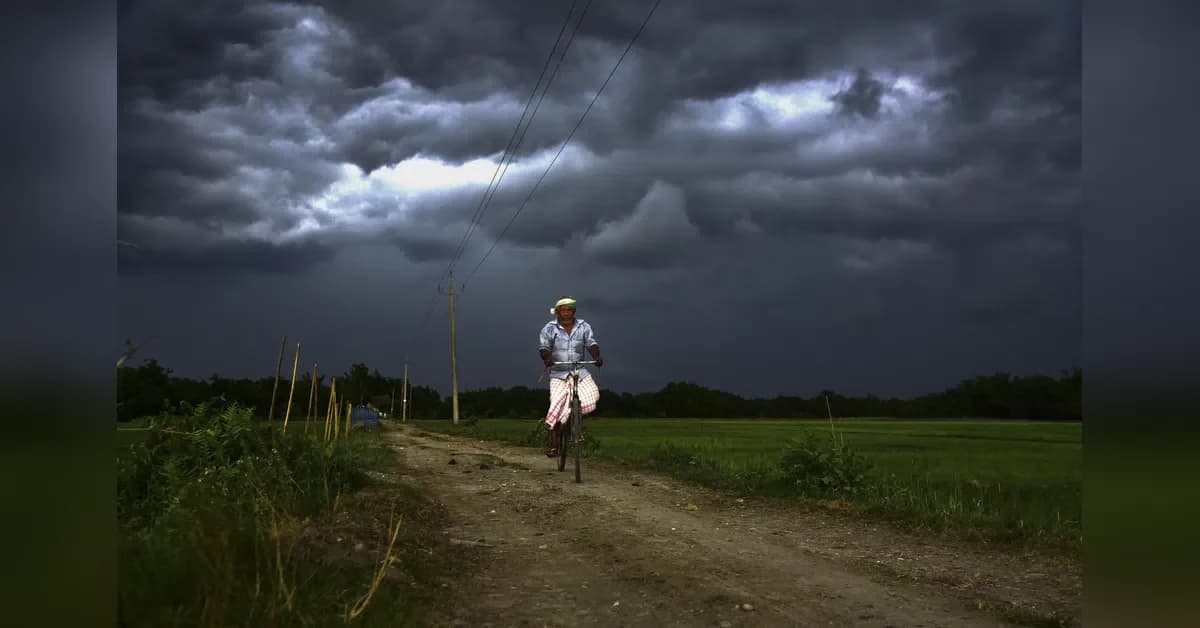
The Reserve Bank of India's latest monthly bulletin has flagged an adverse southwest monsoon as one of the principal domestic risks to both growth and inflation. As reported by Business Standard, food items account for roughly 37% of the new consumer price index basket. The experience of the 2023-24 El Niño episode demonstrated how rain deficits and higher temperatures could translate into persistent pressures on food prices. The retail food-inflation rate has already begun edging up in recent months, with a prolonged monsoon shortfall potentially adding to these pressures. The Finance Ministry's monthly economic review has noted that the outlook for growth will be shaped by El Niño and geopolitical risks, with the ministry flagging an adverse southwest monsoon as one of the principal domestic risks to both growth and inflation.
IMD Director General Mrutyunjay Mohapatra has advised farmers to adopt water conservation measures, including switching to less water-intensive crops where feasible, amid the weak monsoon outlook. Effective strategies include wider use of local weather forecasts, timely crop advisories, drought-resistant seed varieties and short-duration crops to help reduce losses. The IMD has also forecast above-normal maximum and minimum temperatures across most parts of the country during July and advised people to take precautions against heat and high humidity over the coming week. The Finance Ministry's monthly economic review has emphasised that India needs to build water buffers in the coming years to tackle severe water shortages and droughts, with the urgent task being updating development practices to embed climate considerations into all sectors for both wet and dry seasons.