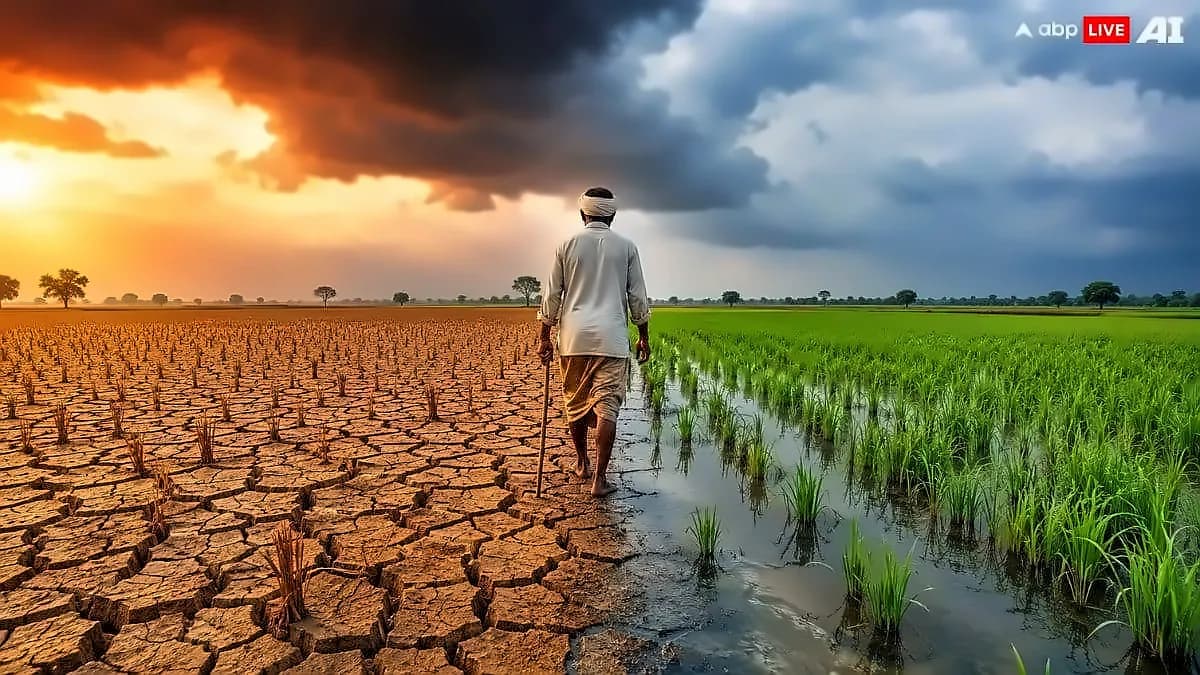
India's inflation outlook faces fresh pressure as monsoon rainfall deficit threatens agricultural output and food supplies, according to latest projections from CareEdge Ratings and Emkay. Food inflation is projected to average around 6 per cent in the 2027 fiscal year, while headline Consumer Price Index (CPI) inflation is expected to settle at 5 per cent. As per CareEdge Ratings, monsoon rainfall between June 1 and June 29, 2026, recorded a deficit of 41.5 per cent from the long-period average, raising immediate concerns over food production and domestic food prices. Emkay reports that cumulative rainfall as of July 3 was 31% below the long-period average, with weekly rainfall as of July 1 also weak at 29% below the LPA. The ministry had previously attributed recent inflation easing to recent easing in global commodity markets, a correction in crude oil prices, and softening of key input prices.
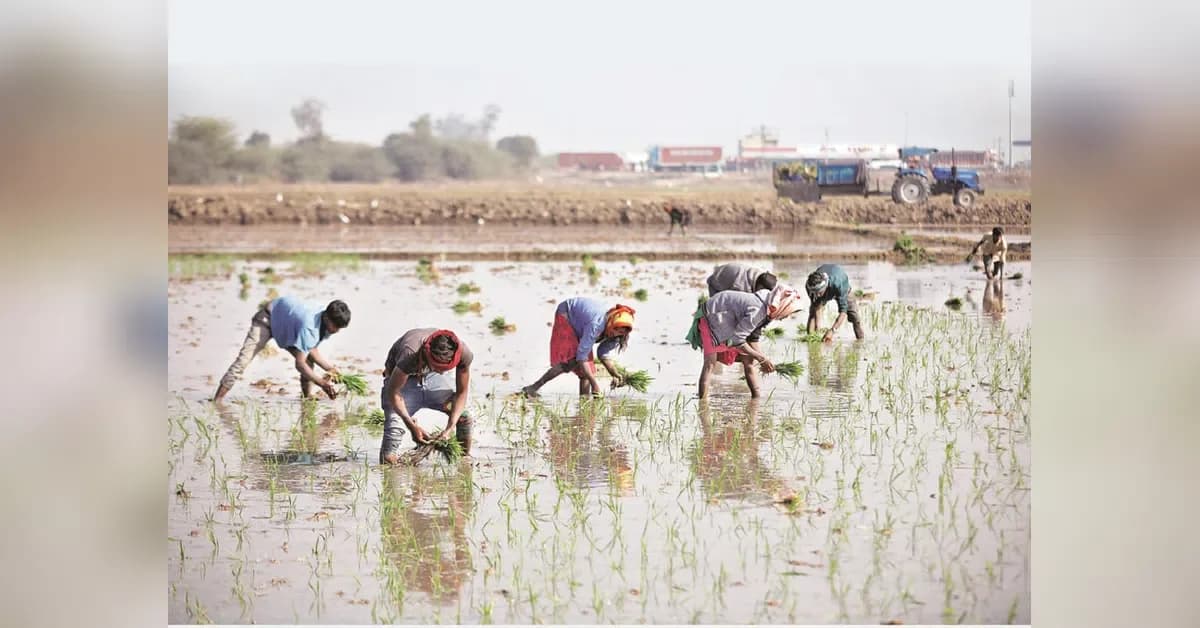
The delayed arrival and uneven distribution of rainfall have significantly affected agricultural sowing activity across India. According to Emkay, total Kharif sowing area stood at 18 million hectares as of June 26, down 23% from the same period last year. Most major crops have witnessed lower acreage, with rice sowing declining 25% year-on-year to 2.6 million hectares, pulses down 30% at 1.5 million hectares, and oilseed sowing plunging 53% to 1.7 million hectares. Cotton sowing has also weakened, falling 35% year-on-year to 3 million hectares. Overall, only 17% of the normal Kharif area had been sown by late June, compared with 22% at the same stage last year. The rainfall deficit has been widespread across the country, with North and West India recording a 21% shortfall, Central India 30%, Southern Peninsula 21%, while East and North-East India experienced the steepest deficit at 41%.
Adding to agricultural concerns, India's reservoirs were filled to just 26% of their total capacity as of July 2, which is 39% lower than the corresponding period last year, according to Emkay. Central India has the highest storage level at 32% of capacity, followed by North India at 29% and West India at 28%. Reservoir levels remain particularly weak in South India at 20% and East India at just 19%. This low water storage not only affects irrigation for the current crop season but could also impact drinking water availability and hydroelectric power generation if rainfall does not improve. The India Meteorological Department (IMD) expects rainfall during July to remain below normal, at less than 94% of the long-period average, making it crucial for monsoon revival during this month.
Despite the weak monsoon, food inflation has remained relatively moderate with weekly retail prices increasing the most for vegetables at 1.5%, followed by eggs at 1%, according to Emkay. On an annual basis, edible oils and fats continue to see the highest inflation at 11%, eggs up 6%, while vegetables, milk and spices have risen around 3%. Cereals are up 2% and pulses 1%. However, Emkay warns that if rainfall remains deficient in key agricultural states such as Maharashtra, Gujarat, Madhya Pradesh and Uttar Pradesh, food supplies could tighten, pushing up prices later in the season. The brokerage emphasizes that July typically accounts for 60% to 80% of total Kharif sowing, making an improvement in rainfall during the month essential for ensuring normal crop production.