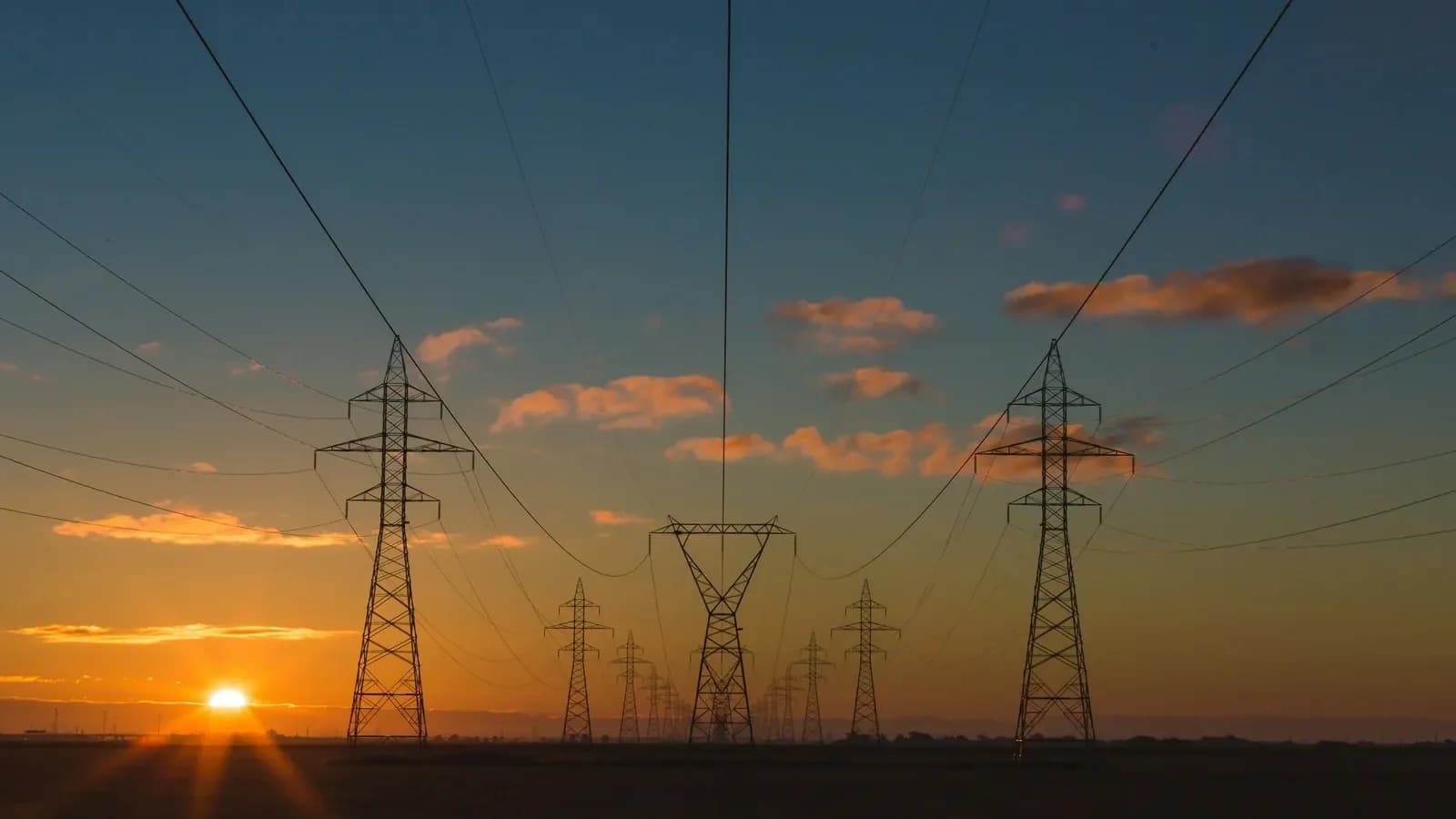
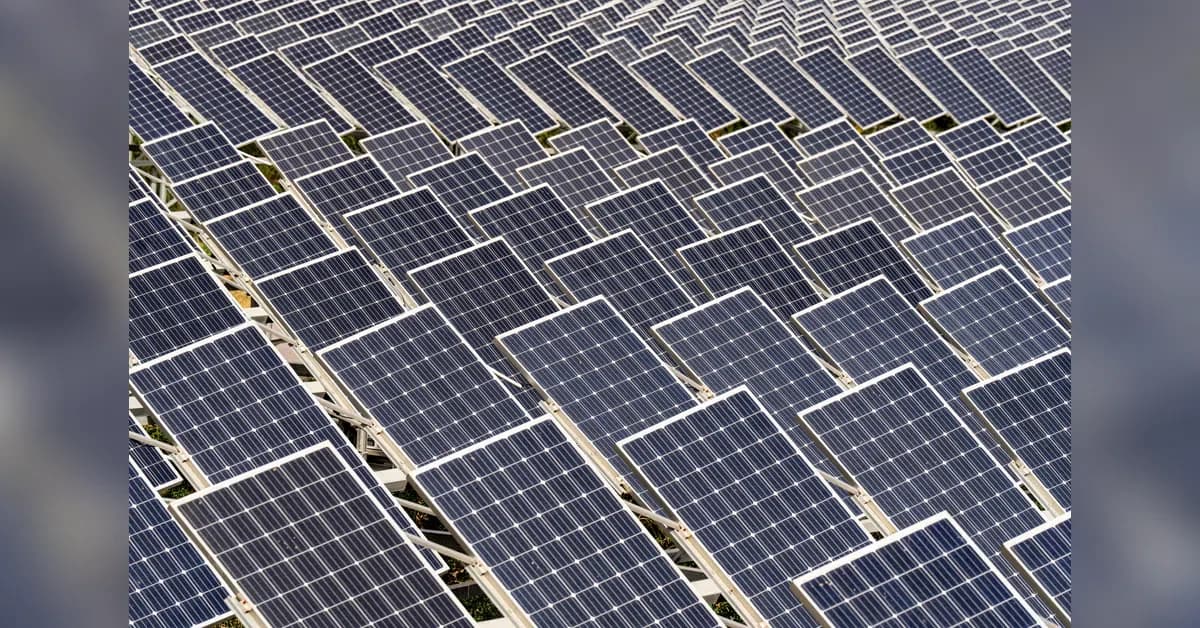
India achieved a historic milestone as combined wind and ground-mounted solar generation briefly crossed 100 gigawatts (GW) on July 13, 2026, marking the first time renewable sources have reached this threshold. According to Mint, wind and solar generation peaked at 103.7GW at 12:05pm IST on July 13, with renewable power reaching a record 42.79% of all-India demand at 12:29pm that day. The milestone held for the next two days, with wind and solar generation peaking at 102.42GW on July 14 and 100.9GW on July 15. As reported by Mint, former Grid Controller of India Ltd chairman S.R. Narasimhan noted that the record had been in the making for three months but was slowed by transmission and flexibility-related Variable Renewable Energy (VRE) curtailments, lower wind generation and cloud cover due to near-normal monsoon conditions in the first week of July 2026.
India's renewable energy capacity has experienced dramatic expansion, with renewable capacity additions rising 25% to 30.58 GW in the first half of 2026, according to New and Renewable Energy Minister Pralhad Joshi. As reported by Mint, solar capacity additions surged 43% year-on-year, with 26,342.07 MW added between January and June 2026. This brings India's total installed renewable energy capacity (including hydro) to 288 GW as of June 30, 2026, accounting for 52% of the total installed capacity. Solar power now stands at 162 GW while wind energy capacity reached 57 GW. The International Energy Agency (IEA) noted that India's annual renewable capacity additions rose by almost 60% in 2025, the fastest growth among major markets, with the country commissioning almost 50 GW of solar PV capacity.
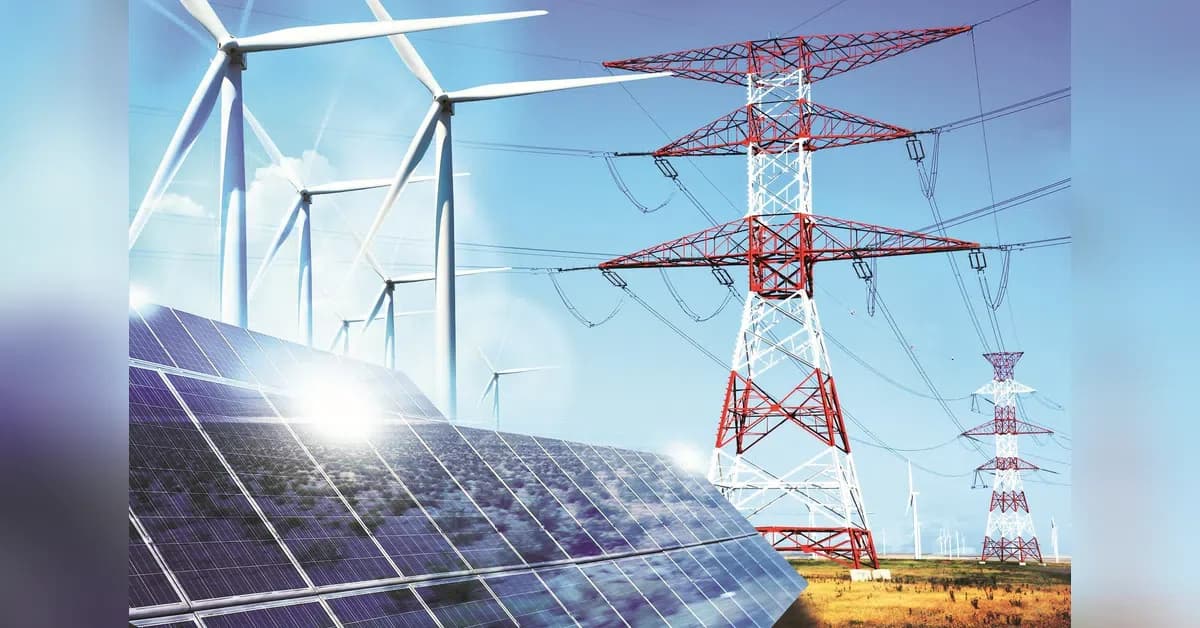
The historic 100GW milestone comes as India faces unprecedented power demand challenges. According to Mint, peak demand reached 256.96GW on July 13, though it was less than the record 270.8GW on May 21. The Central Electricity Authority (CEA) has urged consumers to use electricity judiciously, including avoiding continuous air conditioner operation, as India braces for above-normal temperatures linked to El Niño and a fresh surge in power demand. The CEA projects peak demand of 272GW this year, with the power minister indicating demand could reach a new high of 300GW in FY28. The EAC-PM paper analyzed electricity demand and generation at 15-minute intervals using Grid India data and found India's grid now develops a pronounced 'duck curve' during summer months, where solar generation sharply reduces conventional electricity needs during the day before demand rises rapidly after sunset.
Power market dynamics reflect the growing imbalance between solar generation and evening demand. According to the EAC-PM paper, the average day-ahead market price during midday solar peak dropped from ₹2.81 per unit in May 2023 to ₹1.11 in May 2026, while the average evening price increased from ₹8.08 to ₹9.71 per unit. The gap between the two prices widened from ₹5.27 to ₹8.60, indicating abundant electricity during solar hours but tighter supply after sunset. Grid shortages follow this pattern, with India recording electricity shortages on 36 of 61 days during evening peak in April and May 2026, compared with just six days during solar hours. The EAC-PM paper argues that this transition between solar, coal and hydropower has become dramatically steeper over the past three years, with conventional generators being forced to swing faster between oversupply and shortage.
The mismatch between solar electricity production and evening demand has created a significant storage challenge. The study estimates that reducing even half of a typical summer evening ramp would require around 130 GWh of electricity discharge between 1 pm and 8 pm, while India's pumped-storage and battery fleet discharged only about 23.8 GWh across an average day in May 2026. The EAC-PM paper emphasizes that while storage is the obvious solution, the gap is large and needs to be filled quickly to address the growing surplus of solar electricity during daytime hours. Against a projected grid-scale battery capacity of 8.68 GW for 2026-27, only 0.27 GW had been installed by January 2026, though recent additions have increased battery capacity to around 2.7 GW. According to SolarQuarter, on May 4, around 47 lakh units of solar electricity were wasted at Rajasthan's Bhadla Solar Park in just the first half of April, with power generation having to be reduced by 15% to 64% on several days because the grid could not handle the excess supply.