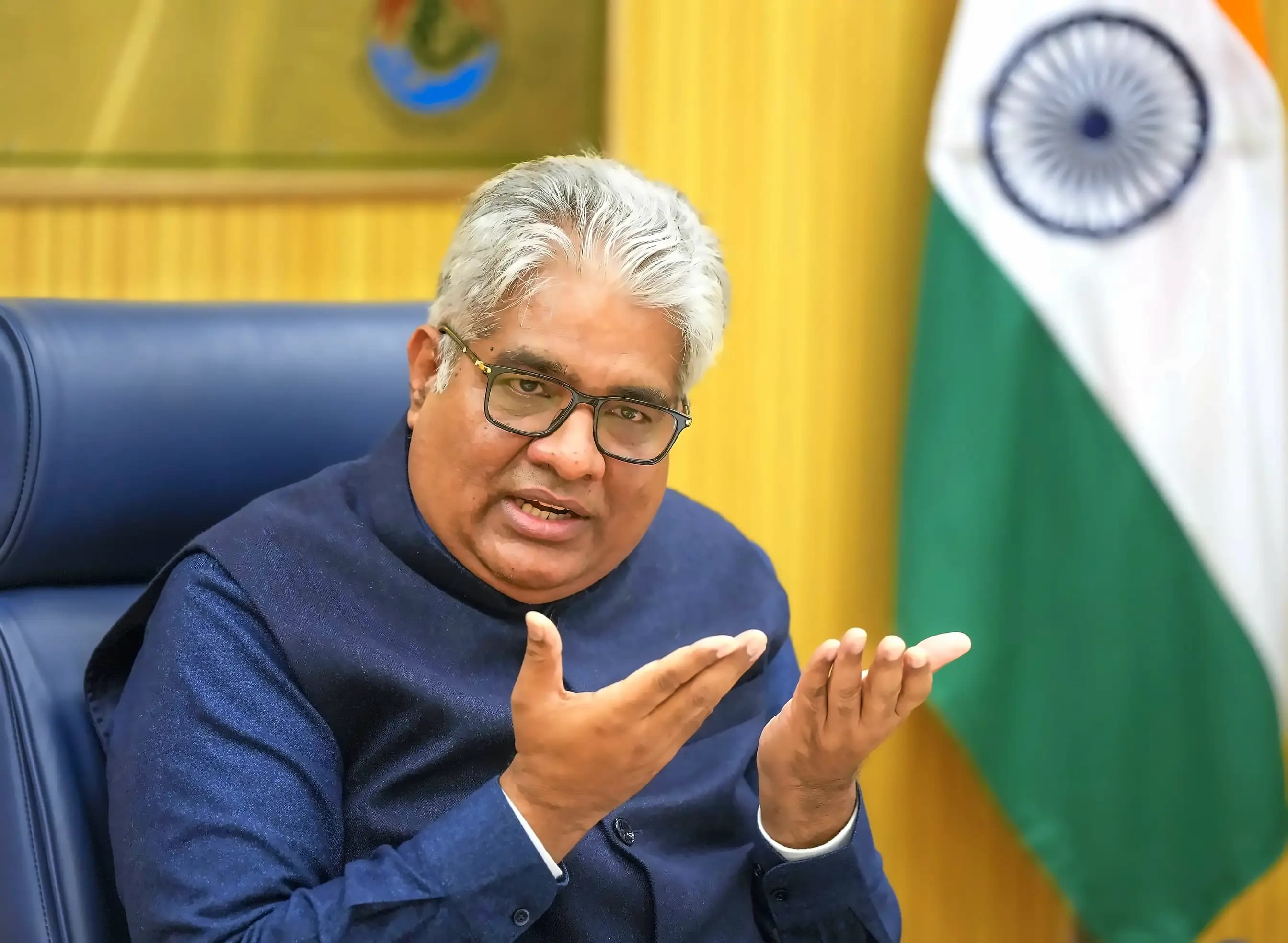
India has achieved a historic milestone with non-fossil fuel capacity reaching 300.5 GW, representing a remarkable 275% increase from 80.3 GW over the last 12 years. According to Business Standard, Union Minister for New and Renewable Energy Pralhad Joshi highlighted this growth in a recent speech, emphasizing the country's rapid transition from fossil fuels to clean energy. The minister noted that solar capacity increased from 2.8 GW to 165 GW, representing nearly 58-fold growth, while wind capacity rose from around 21 GW to 58 GW, registering a 176% increase. During the first four months of FY 2026-27 alone, India added more than 17 GW of renewable-energy capacity, including 14.33 GW of solar capacity and over 2 GW of wind capacity.
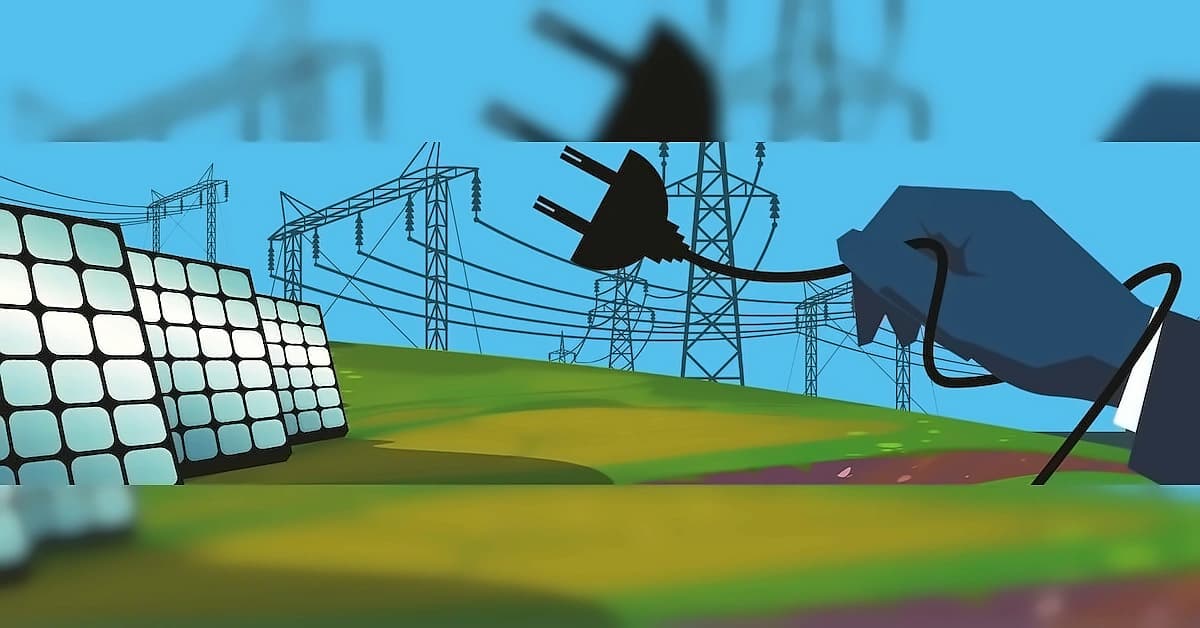
India has achieved remarkable progress in clean energy deployment, doubling its share in the capacity mix in just two decades with 297 GW of non-fossil capacity already installed. According to reports from Business Standard, the country has another 138 GW of large-scale solar and wind under construction, and 40 GW of distributed solar in the pipeline, bringing the 500 GW goalpost within reach. Non-fossil sources now represent one-fourth of India's annual electricity generation, with their share momentarily crossing 50 per cent during daytime in July 2025 and July 2026, signaling a lasting change in the supply mix.
Despite the impressive capacity additions, India faces significant grid integration challenges that threaten the effectiveness of its clean energy transition. As reported by Business Standard, existing grids are inflexible, built for one-way electricity flows, while transmission lines are slow to build compared to renewables installation speed. The research highlights that India's storage capacities are not commensurate with renewable energy penetration, with 1 GW battery supporting about 60 GW solar and wind capacity versus 4-13 GW in Australia, United States, and China. This infrastructure gap is resulting in excess daytime renewable energy being curtailed despite high electricity demand after sunset.
The transition requires fundamental reforms in market design and grid technology deployment. According to the analysis in Business Standard, most power in India is traded through 25-year bilateral contracts, leading to inefficient resource use and an under-developed wholesale market. The solution includes introducing short-term capacity markets by bringing centrally-allocated thermal capacities into the fold and new market-based instruments like the recently-launched Contracts-for-Difference pilot. Additionally, technology-specific auctions must evolve to cross-technology competition to test least-cost outcomes for utilities and consumers over the next 10-15 years.
A critical component of grid modernization involves rapid digitalization of the power network. As reported by Business Standard, discoms lack visibility on consumer electricity usage, distribution network asset health, and impact of rooftop solar and electric vehicles. The solution includes deploying smart meters responsibly to generate intelligence and unified consumer-facing apps showing real-time electricity prices and granular consumption. Regulators must work with discoms to utilize smart meter data for appropriate time-varying tariff options and enable consumers to alter electricity use when the grid is under stress.