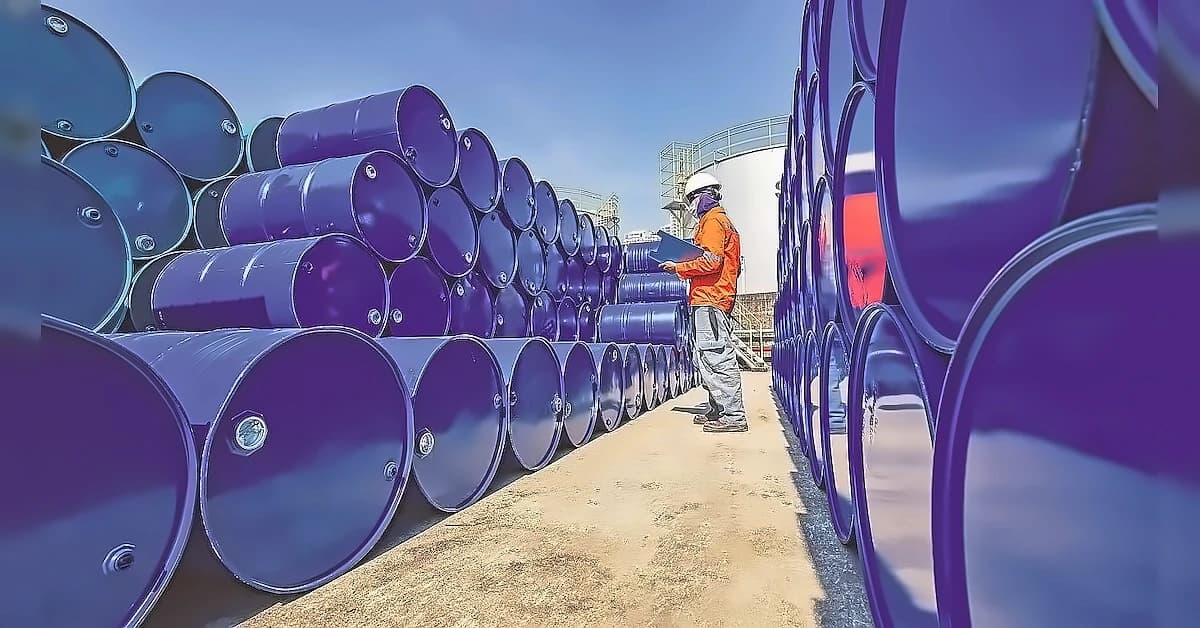
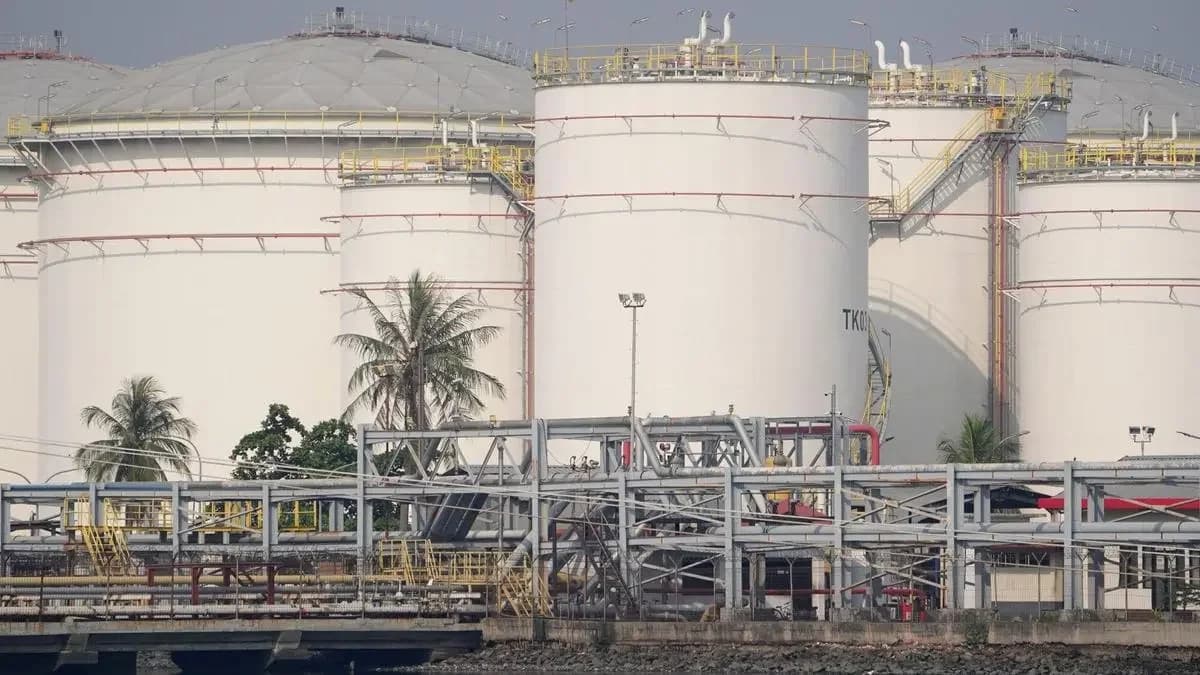
India's expanding crude oil refining capacity played a crucial role in shielding the domestic economy from the recent energy crisis triggered by tensions in West Asia, helping the country avoid costly imports of refined petroleum products, according to a report by EY (Ernst & Young LLP). The report noted that while India's dependence on imported crude oil has steadily increased over the years, the country has simultaneously built a strong refining ecosystem that has enhanced its energy security. EY stated that India may continue to augment its refining capacity, which has helped save refining costs had India been forced to directly import refined petroleum products. Refineries are currently operating at high capacity with sufficient crude stocks, as reported by officials at Tuesday's inter-ministerial briefing.
According to the EY report, India's crude oil import dependence rose to over 90% in FY26 from 54.9% in FY1999. During the same period, domestic crude oil production declined to 26 million metric tonnes in FY26 from a peak of 35.9 million metric tonnes in FY12. Despite the higher reliance on imported crude, EY noted that the steady expansion of refining capacity has enabled India to process imported crude domestically instead of depending on expensive imports of refined fuels.
The Centre has launched a comprehensive crackdown on fuel hoarding amid the West Asia crisis, with over 67,000 LPG cylinders seized, over 1,160 FIRs registered, and 271 people arrested since March 2026. Officials assured that 100% supply is being ensured for domestic LPG, piped natural gas (PNG), and CNG for transport, while commercial LPG supply has been increased to about 70% of pre-crisis levels with priority given to essential sectors. The government has also reduced excise duty on petrol and diesel by ₹10 per litre to shield consumers from rising global crude prices, while increasing export levies to ensure domestic availability. Over 100 flights are expected to operate between the UAE and India alone on Tuesday, with flight operations gradually stabilising.
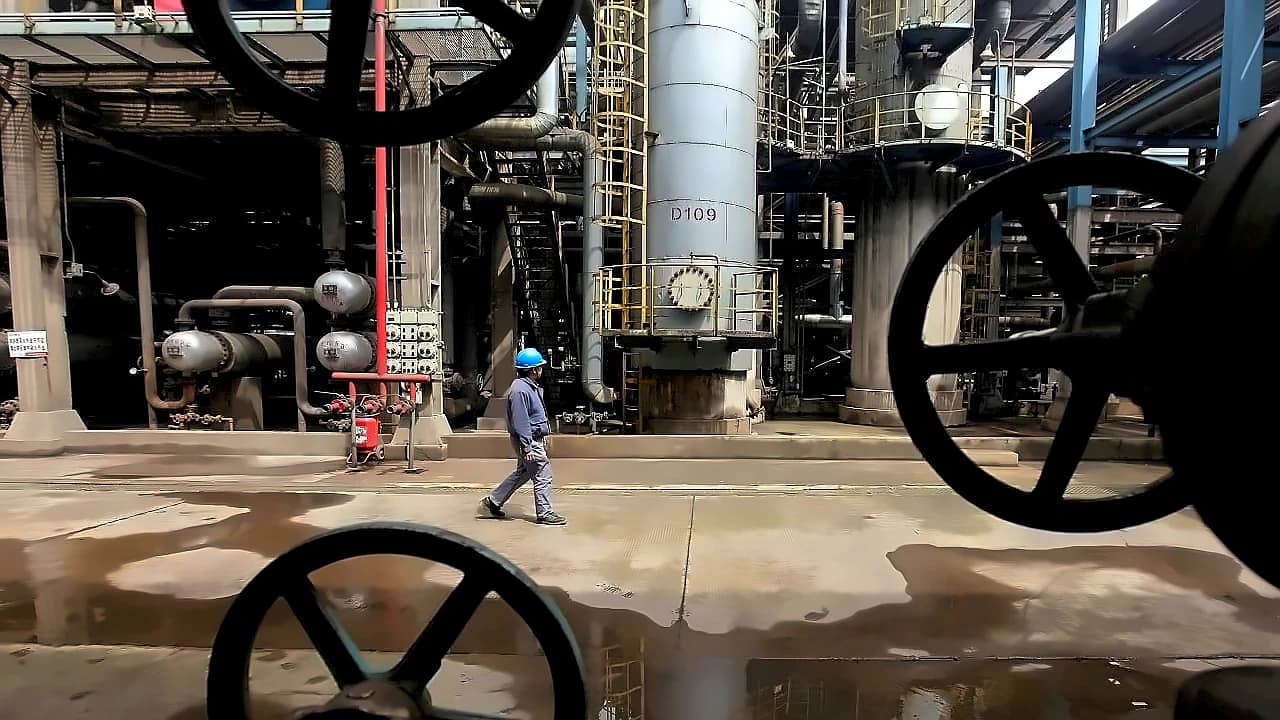
The EY report pointed to improvements in India's energy efficiency, stating that both the energy intensity of economic output and the use of petroleum products relative to GDP have declined over time. EY added that the energy intensity of India's output, as well as the use of petroleum products in GDP, has fallen over the years. This development augurs well for sustaining energy-efficient growth at a relatively high level over a longer period.
Looking ahead, EY recommended that India further strengthen its energy security by expanding strategic crude oil reserves to prepare for future disruptions in global supplies of crude oil, natural gas and fertilisers. The report called for a comprehensive strategy covering the size of strategic reserves, procurement plans and release mechanisms while factoring in storage costs. Additionally, EY stated that India should continue to expand its refining capacity while increasing domestic crude oil production to reduce its dependence on imports, and recommended accelerating the transition towards cleaner energy sources, including nuclear power, to build a more resilient and sustainable energy ecosystem.