The ongoing West Asia crisis has exposed India's import-linked energy security risks, making diversified crude routes and deeper storage buffers more urgent, according to S&P Global Energy. India's crude oil dependence and the resulting knock to energy security, despite ongoing crude diversification efforts, has been exposed during the current disruption. The crisis has removed 15 million barrels per day (mbpd) of global oil flows, with Indian refiners experiencing a 20 per cent loss of pre-conflict supply levels as they scrambled to make up for shortfalls from alternative sources including Russia, Venezuela, and the US. While the system has held up so far, the episode has highlighted deeper vulnerabilities in India's energy security framework.
India faces significant energy security vulnerabilities due to concentrated supplier dependencies, with more than 85 per cent of India's crude imports coming from just six countries, including Russia and West Asian nations. The risk is further compounded by refinery configurations that restrict the range of crude grades India can process economically. S&P Global Energy emphasizes that India cannot treat energy security as a simple procurement problem and needs better options in the form of diversified crude import routes and deeper storage and inventory buffers. The research firm notes that India needs credible alternatives that reduce its import-linked exposure, including for Liquefied Petroleum Gas (LPG), where structural dependence on the Gulf has been exposed.
India's energy security is significantly weaker compared to other major import-dependent economies, with the country's strategic petroleum reserves covering only 9-10 days of net crude imports, in addition to 64 days of refinery operational stocks. However, S&P Global Energy reports that India's oil ministry says inventories provide adequate coverage for 76-80 days of crude and refined products available in the country. For gas supply, India imports nearly half its supply as liquefied natural gas (LNG) but has no dedicated strategic gas storage, leaving fertiliser plants and city gas networks exposed. The report warns that sudden disruptions in crude oil, LNG, or coal supply can cause rapid increases in fuel prices, immediately impacting fertilizer subsidies, industrial competitiveness, and overall inflation levels across the country.
The CEEW report identifies significant concerns over India's coal supply chain, highlighting quality issues with domestic coal supplies and rising production costs that make coal-based power generation less cost-effective compared to stable renewable energy sources. Additionally, the country remains sensitive to the export policies of major coal suppliers, which threatens national energy safety. However, S&P Global Energy notes that coal continues to serve as a reliable and cost-effective cornerstone of India's energy system, particularly in an increasingly uncertain global environment. For India's power sector, the situation has remained relatively stable due to its lower dependence on Liquefied Natural Gas imports and a push for domestic coal production, which has strengthened baseline energy security.
The CEEW report outlines comprehensive recommendations to address India's energy security challenges, including diversifying long-term crude sourcing to suppliers such as Brazil, Guyana and West African countries, modernising refineries, and preparing a national refinery transition plan. S&P Global Energy recommends diversifying crude and LNG supplies, expanding hub-indexed LNG contracts, and accelerating electrification-led demand substitution. The think tank also calls for mandating and commercialising oil, gas and liquefied petroleum gas (LPG) reserves, including emergency stock obligations, gas storage in depleted wells, and expanded underground LPG storage. According to Business Standard, Hemant Mallya, fellow at CEEW, emphasized that India's next phase of energy security must move beyond securing fossil fuels to a clear transition plan, including optimising gas system utilisation, avoiding further refinery expansion, accelerating viable EV adoption, electrifying industry, and building resilient green technology supply chains.
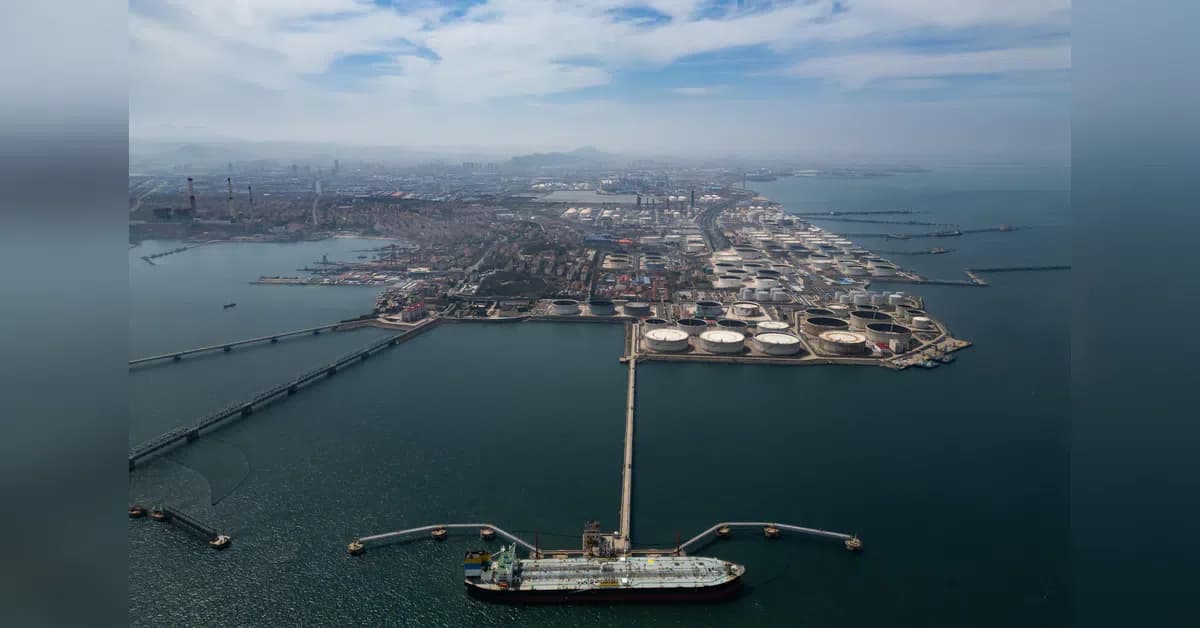
The West Asia crisis has created operational trade-offs for system operators, leading to renewable curtailment or sub-optimal thermal dispatch as price dynamics and broader external headwinds have contributed to marginal softening of industrial power demand from export-oriented enterprises. S&P Global Energy warns that the low-demand monsoon season may help by reducing inventory draws, but India also needs to prepare for the seasonal uptick during the fourth-quarter festive period, when global crude flows would still take time to return to normal even if routine movements through the Strait of Hormuz resume. The firm emphasizes that India needs to prepare for prolonged disruptions that limit complacency, particularly in securing sufficient crude feed through the end of the year.