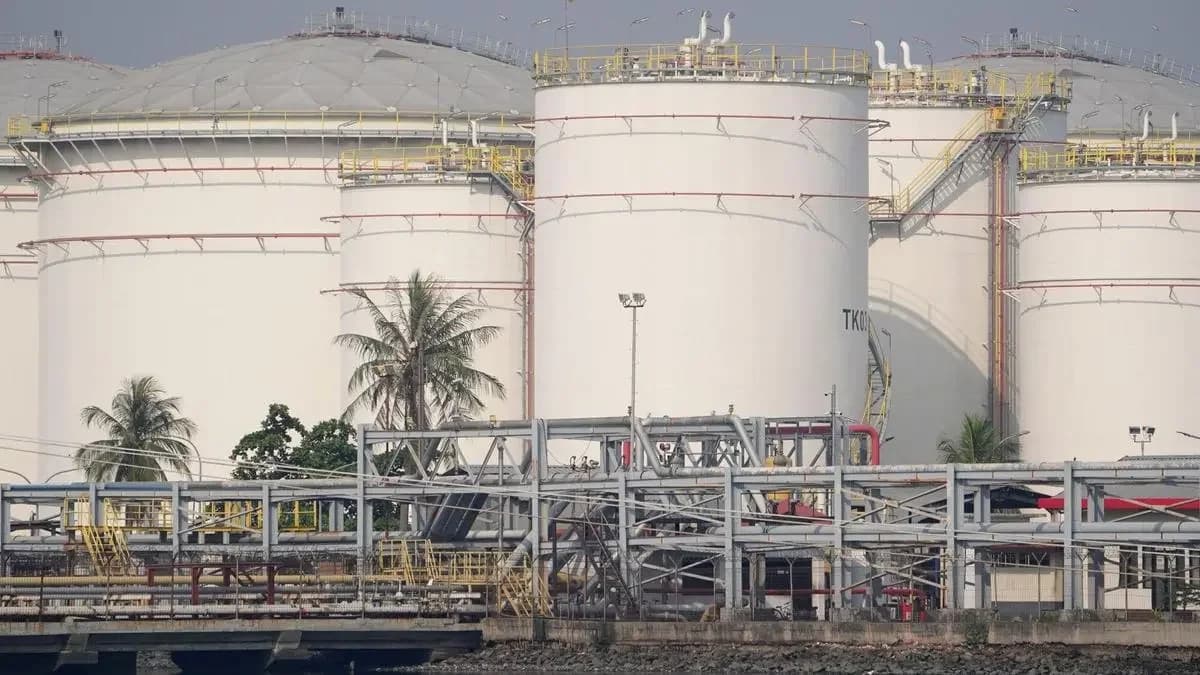
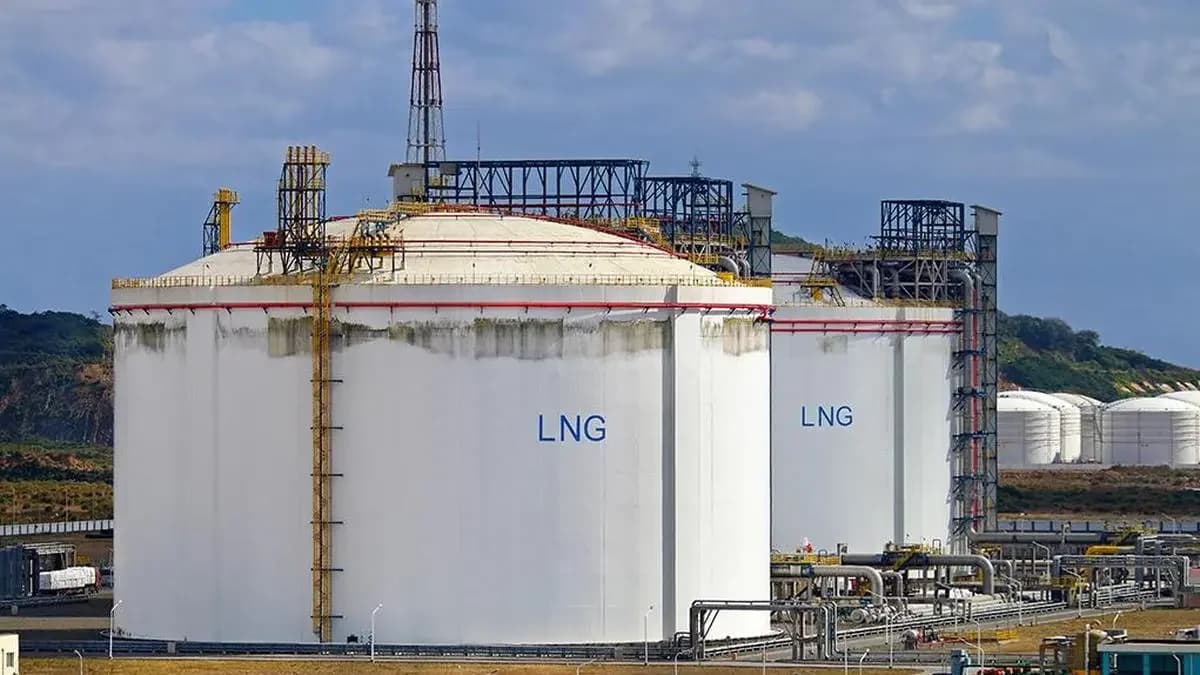
India has begun work on creating its first strategic natural gas storage system following the recent West Asia conflict, with public sector oil companies evaluating multiple storage options. According to reports from The Hindu BusinessLine, the initiative involves underground salt caverns and above-ground cryogenic LNG tanks, marking a significant expansion of India's strategic energy security planning. The move addresses concerns over India's vulnerability to disruptions in LNG and LPG supplies, with the Middle East Gulf accounting for more than half of India's imports of both fuels. Latest developments show the government is now exploring a LNG buffer mandate for terminals, where operators would be required to create additional storage capacity at existing import facilities, with costs recovered through higher regasification charges.
While the Indian Strategic Petroleum Reserves Limited (ISPRL) manages the country's strategic crude oil reserves, it lacks expertise in salt cavern-based natural gas storage. As reported by The Hindu BusinessLine, feasibility studies are underway by Engineers India to assess suitable storage technologies and geological structures. PSU oil companies are already working on the feasibility of storing crude oil and gas in salt caverns, with storage in cryogenic overground tanks also being evaluated. The Centre is examining a mechanism that would allow terminal operators to recover their investment by increasing regasification tariffs, with current charges of around ₹65-80 per mmBtu.
A committee under the Petroleum Ministry, constituted after the conflict erupted, is evaluating storage options for LNG and LPG. According to sources cited by The Hindu BusinessLine, one of the seven Empowered Groups of Secretaries of the government is examining short-, medium- and long-term measures to address potential disruptions to trade, supply chains and logistics. The deliberations focus on storage volume requirements keeping in view visibility over the next 4-5 years, with consideration given to both strategic and commercial storage buffers. A final decision on the LNG buffer mandate is yet to be taken, with the extent of additional storage that operators may have to create still under consideration.
The war in West Asia has demonstrated LNG's superiority as a reliable energy source compared to crude oil and LPG. Despite Qatar, the world's second biggest LNG producer and India's biggest supplier, imposing a force majeure in March, there was no natural gas crisis. India's LNG imports averaged 2.2 million tonnes monthly in the three months to June from over nine countries amid the closure of the Strait of Hormuz, higher than average monthly fuel imports in pre-war calendar 2025 of around 2 million tonnes. June receipts at 2.5 million tonnes were the second highest since August 2024. In 2025, around 10 countries supplied 25 million tonnes of LNG, with Qatar alone contributing 46% of the fuel. On including supplies from UAE and Oman, the share of West Asian LNG via the Hormuz surged to 67%.
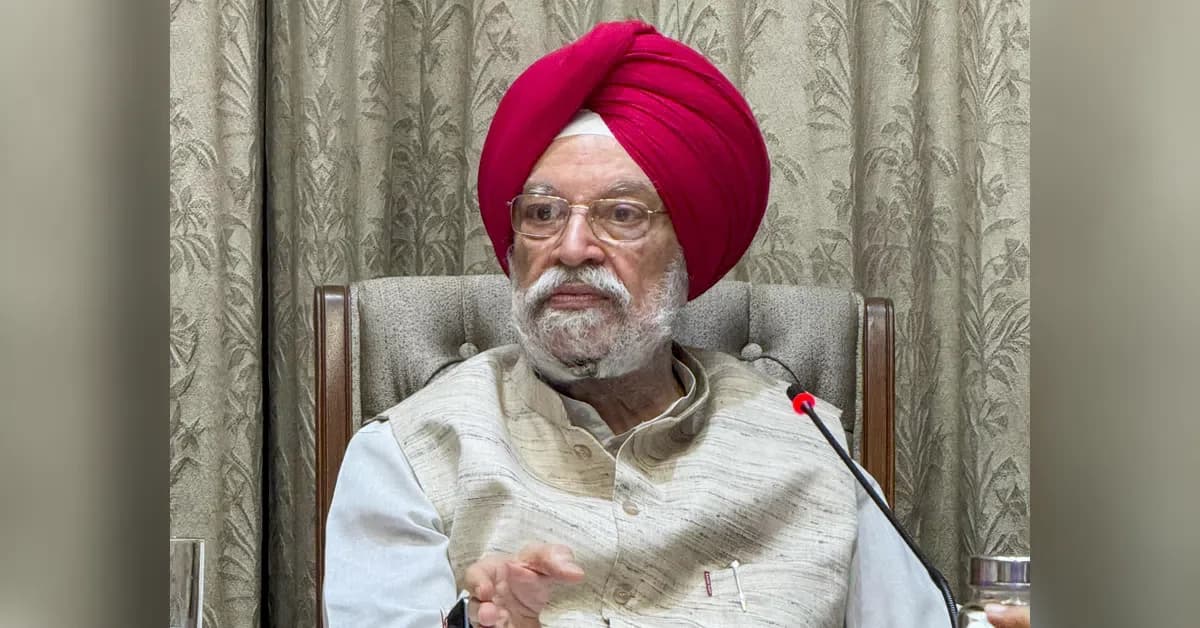
Oil Minister Hardeep Singh Puri announced that India is currently bidding out approximately 250,000 square kilometers of unexplored areas for oil and gas exploration. Speaking to Agence France-Presse, Puri highlighted the country's significant energy potential, stating that India is putting fiscal resources into oil and gas exploration with a $10 billion program covering 1 million kilometers of unexplored area. The exploration focus includes the Andaman and Nicobar archipelago, where Oil India has already drilled exploratory wells, and is being conducted in partnership with international energy majors including Petrobras, TotalEnergies, BP, Shell and ExxonMobil.