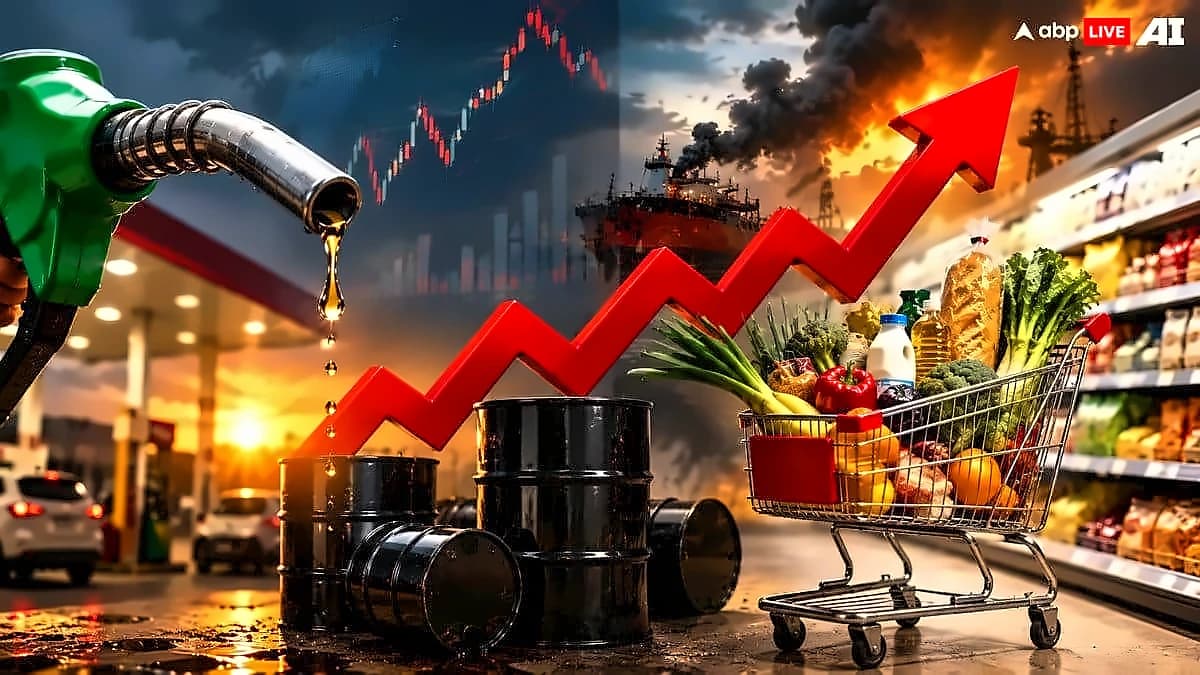
India's food inflation remains under control despite potential threats from the West Asia conflict affecting global markets. According to data from the Department of Consumer Affairs, as of 9 June, retail prices of cereals, pulses and vegetables recorded only marginal changes over the past year. This stability indicates that adequate domestic supplies and government market intervention have helped insulate consumers from inflationary pressures. The Reserve Bank of India expects inflation at 5.1% for FY27, subject to upside risks due to global supply chain disruptions and uncertainty about the distribution of the south-west monsoon.
Wheat retailed at an average of ₹30.92 per kg, slightly lower than ₹31.11 a year ago, while chana dal prices eased to ₹81.34 per kg from ₹82.57. Arhar (tur) dal was marginally cheaper at ₹122.75 per kg compared with ₹124 a year earlier, with prices of moong and masoor dal remaining broadly stable. Rice, a key staple food for about 60% of India's population, retailed at ₹43.43 per kg, while wheat flour was available at ₹37 per kg. Sugar prices remained largely steady at ₹46.82 per kg, rising by less than ₹1 over the past year.
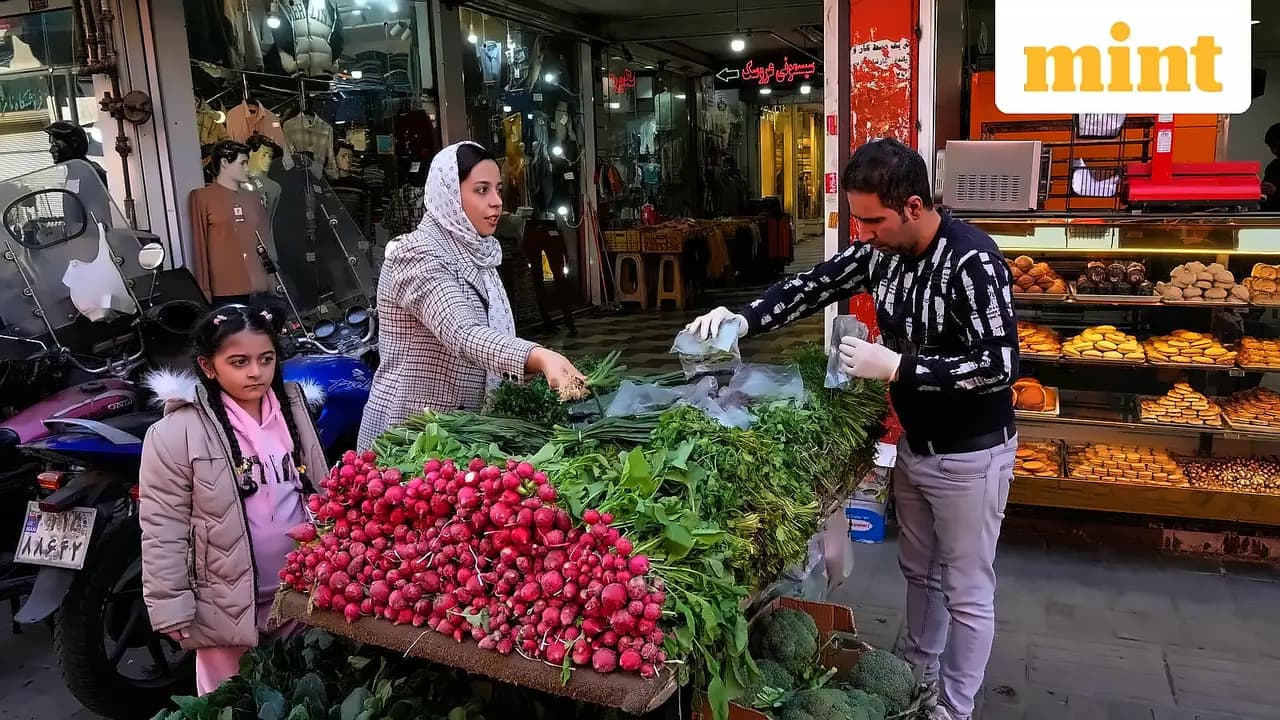
Vegetable prices, often a key driver of food inflation, remained manageable despite global crude oil market pressures. Potato prices averaged ₹21.49 per kg, significantly lower than ₹25.05 a year ago, while onion prices were little changed at ₹26.76 per kg compared with ₹26.32 a year earlier. Tomato prices rose to ₹40.10 per kg from ₹28.80 a year ago, reflecting seasonal fluctuations common during the summer months. India's retail inflation, based on the Consumer Price Index (CPI), was at 3.48% in April from 3.40% in March, within the RBI's target range of 4% with a ±2% tolerance band.
The government is banking on comfortable foodgrain stocks to keep cereal prices in check. Stocks held by the Food Corporation of India and state agencies stood at 81.75 million tonnes as of 30 April, comprising 42.8 million tonnes of wheat and 38.96 million tonnes of rice. According to the latest foodgrains bulletin, pulse stocks are also comfortable, with inventory well above the level required to meet consumption needs. The annual consumption of pulses in India is estimated at about 27 million tonnes. As reported by Mint, a senior government official stated that the government has sufficient stocks of key commodities such as rice, wheat and pulses.
The West Asia war and China stopping exports of key crop nutrients have reduced global fertiliser supplies and increased prices sharply, likely raising India's fertiliser subsidy bill to nearly ₹3.4 lakh crore in FY 2026–27. A fertiliser subsidy is financial support provided by the government to keep fertilisers affordable for farmers, with the government paying the remaining cost directly to fertiliser companies after farmers pay reduced prices. This substantial increase in fertiliser subsidy burden comes at a time when food inflation remains stable, highlighting the complex interplay between agricultural input costs and food price stability in India's economy.