India's consumer inflation likely breached the Reserve Bank of India's medium-term target of 4% in June for the first time in 17 months, with the latest data confirming June retail inflation at 4.4%. According to the latest provisional data released by the National Statistics Office (NSO) on Monday, consumer inflation measured by the annual change in the consumer price index (CPI) is expected to have quickened to 4.4% in June from 3.9% in May. The estimates, conducted July 3-9, ranged from 3.65% to 5.50%, with 37 economists participating in the survey. This inflation reading would mark the highest inflation since India introduced its revised consumer price index series with a new base year and updated consumption basket in February. The data is due to be released on July 13, with the latest official confirmation showing a slight increase from the Reuters poll estimates. As per The Times of India, the jump in CPI inflation was in congruence with expectations of the adverse impact of geopolitical uncertainty and El-Nino affect and the weak monsoon.
This inflation reading would mark the highest inflation since India introduced its revised consumer price index series with a new base year and updated consumption basket in February. According to Kunal Kundu, India economist at Societe Generale, the expected increase is less a reflection of broad-based inflationary pressures and more a consequence of gradual firming in food, fuel and select services categories over recent months. The central bank had projected retail inflation to average 5.1% in FY27, with higher energy and commodity prices, supply-chain disruptions and uncertainty over the southwest monsoon increasing inflation risks. Geopolitical uncertainty and crude oil volatility added to imported cost pressures, noted Rajeev Sharan, Head of Research at Brickwork Ratings, while adding that the effect may moderate if West Asia crisis eases. Despite growing divergence between wholesale and consumer prices following sharp increases in global commodity and energy costs, transmission from producer prices to retail inflation is likely to remain partial and delayed.
June marked the first full month of data after petrol and diesel price hikes in mid-May, with the transport group reflecting this sharply as inflation jumped to 7.4% from 3.1% in May. According to the latest NSO data, the fuel pass-through was also visible in services, with restaurants and accommodation services recording inflation of 6.9%, reflecting increased food prices across eateries due to higher commercial cooking gas costs. Food and beverages recorded inflation of 5.05%, with food inflation crossing the 5% mark for the first time in the new CPI series amid a steep 40% rainfall deficit. Aditi Nayar, chief economist at ICRA, expects the Monetary Policy Committee to maintain status quo on the policy rate at its upcoming August meeting, noting that while material easing in crude oil prices has reduced early rate hike likelihood, West Asia tensions warrant caution. Madan Sabnavis, chief economist at Bank of Baroda, flagged the possibility of one rate hike during the year, perhaps after October, once kharif harvest prospects become clearer.
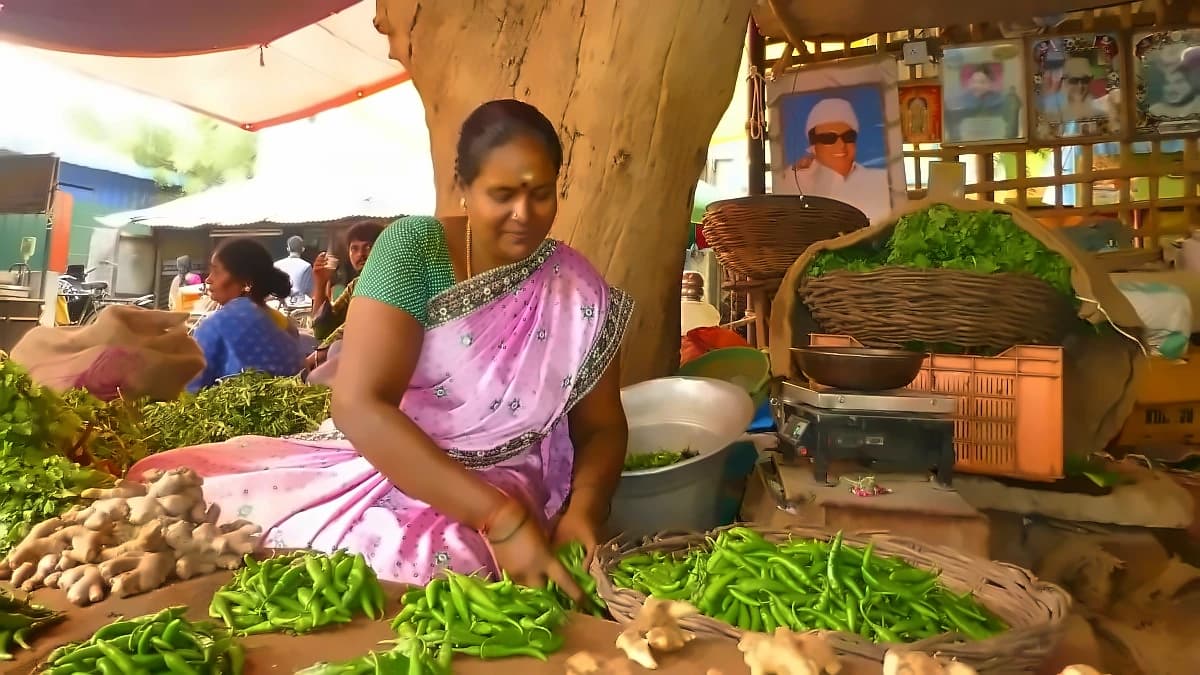
Food inflation has emerged as a key driver of overall price pressures, with June food inflation reaching 5.32%, significantly higher than the previous month's levels of 4.78%. According to the latest official data, the sharp surge is driven by higher ginger and tomato prices, even as potatoes and peas stayed in deflation. Among individual food items, ginger recorded the sharpest increase at 50.41% year-on-year, while tomatoes remained expensive with prices up 31.92%. Raisins also registered 20.52% inflation. Dipti Deshpande, senior director and principal economist at Crisil, estimated that food inflation contributed about 185 basis points to the headline number, while non-food inflation contributed a larger 250 basis points. Core inflation remained close to 4%, supported by soft housing and health inflation. According to Rumki Majumdar, economist at Deloitte India, food prices will be the first visible impact in the coming months, as food accounts for about 46% of India's CPI basket. Over the next two quarters, inflation is likely to remain range bound at 4-4.5%, with food as the key swing factor amid uneven monsoon progress and El Niño-linked rainfall variability.
The sting of rising prices was felt more acutely in rural areas, with rural inflation jumping to 4.74% in June from 4.25% in May, while urban inflation also saw an uptick, rising to 3.92% from May's 3.53%. According to the latest official data, inflation in the food and beverages segment pushed the headline numbers higher during the month. Meanwhile, core inflation—which strips out volatile food and energy prices—climbed to 4.1%, up from 3.8% in the preceding month, indicating broader price pressures in the broader economy. The delayed onset of monsoon pushed food prices higher during the month, compounding existing food inflation pressures and contributing to the sharpest pace of retail inflation growth in the past 17 months. Among states, Telangana recorded the highest inflation at 6.36%, followed by Andhra Pradesh (5.39%), Tamil Nadu (5.24%), Odisha (5.15%), and Madhya Pradesh (5.09%). The government said price data for June was compiled using information collected from 1,407 urban markets and 1,465 villages, with a 100% response rate in both rural and urban areas.

The monsoon delivered its fifth-driest June since 1901, with rainfall 39.8% below normal, compounding existing food inflation pressures. According to the latest India Meteorological Department (IMD) data, India received 219.4 mm of rainfall till July 12, compared to the normal 266.9 mm, with the country's rain deficit again widening to 18% after relentless rains had brought the deficit down from 30% at the end of June to 14% on July 9. The IMD has issued a yellow alert for Uttarakhand till Thursday, July 16, and predicted widespread rainfall through July 18. Meanwhile, Northwest, Central, and Western India, as well as Southern Peninsular India, are expected to witness a dry spell this week. The Reserve Bank of India has flagged deficient monsoon and possible El Niño conditions as key risks to inflation and growth. Economists expect price pressures to build further, with Crisil seeing inflation averaging 5.1% this fiscal, while Sabnavis said the print was likely to average above 5% for the year and edge towards the 5% mark in the coming months.