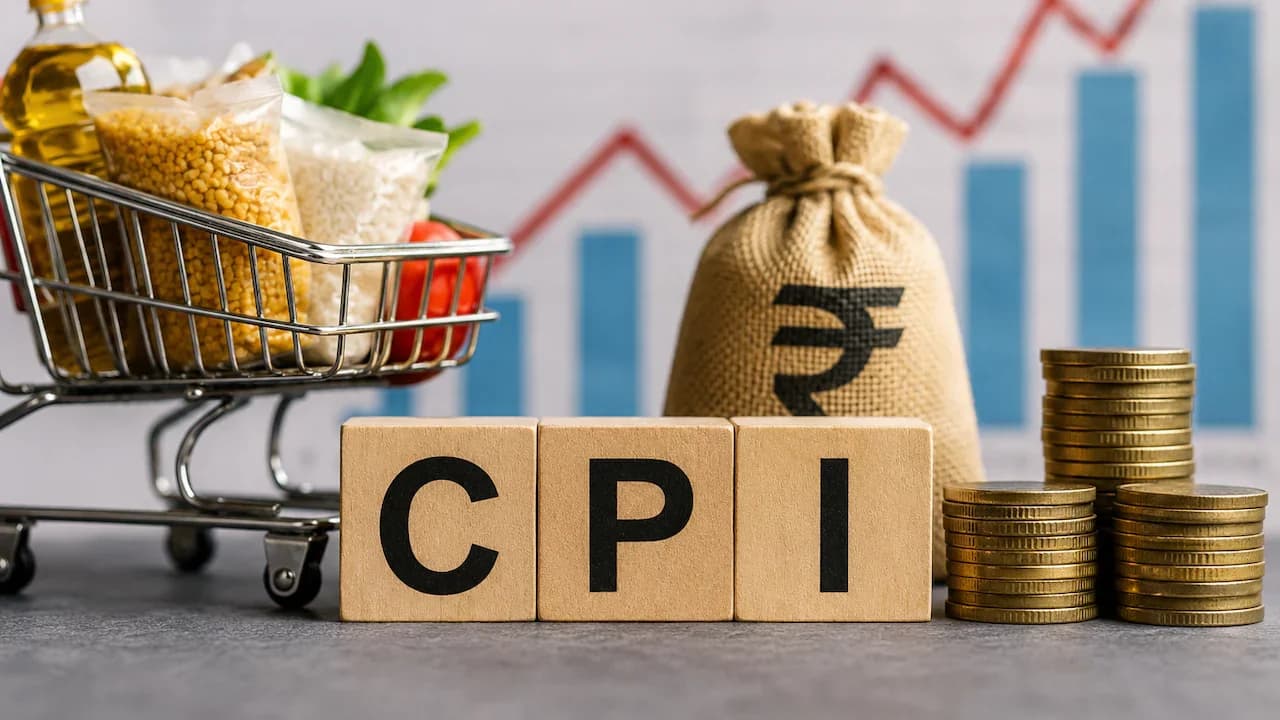
India's retail inflation accelerated to 4.45% in July, marking the highest level in 20 months and breaching the Reserve Bank of India's 4% median target for the second consecutive month. According to the latest data from the National Statistics Office (NSO), this reading was above the market estimate of 4.40%, signaling a renewed increase in price pressures across the economy. The July inflation data represents the seventh print under the updated 2024 consumer price index (CPI) series, with the reading estimated to be at a 20-month high when compared with back-series data. Inflation remained higher in rural India at 4.84% compared to urban areas at 3.96%, as reported by NSO, highlighting the regional disparities in price pressures. The sequential inflation rate in July moved up from 4.38% in the previous month of June, indicating accelerating price pressures. However, the July print remains well within the RBI's 2-6% tolerance band, ensuring the central bank's policy response remains unchanged.
Food inflation emerged as the key driver of July's inflation surge, increasing to 5.52% from 5.32% in June based on the All India Consumer Food Price Index (CFPI). Inflation in the broader food and beverages category also accelerated to 5.24% from 5.05% month-on-month, as reported by NSO. The increase in food inflation was primarily driven by sharp increases in ginger (83.62%), garlic (35.36%), and onion (22.54%) prices, according to the Consumer Food Price Index (CFPI). Inflation in onions increased significantly to 22.54% in July from 4.73% in June, while the rate of price rise in ginger shot up to 83.62%. Rural food inflation was estimated at 5.79% while urban food inflation stood at 5.05%, according to the All India Consumer Food Price Index (CFPI). However, potato prices plummeted by as much as (-)16.56% during the month while ladies' fingers, peas, and tomatoes turned cheaper by about (-) 5%. Meanwhile, core CPI inflation, which excludes food and fuel, moderated to 3.9% in July from 4.1% in June, suggesting that underlying price pressures remained relatively contained despite the headline inflation rise. Core inflation stood at 3.9% in July, against an expectation of 4.08%, according to India Ratings and Research.
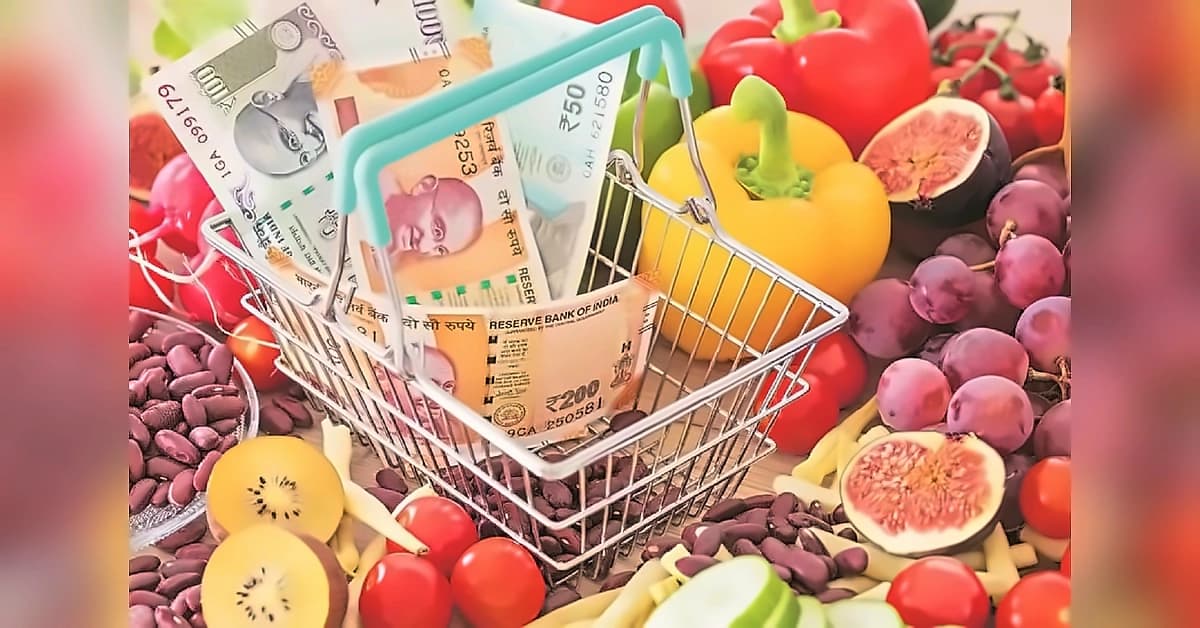
Transportation inflation emerged as a significant contributor to July's inflation surge, climbing to 4.4% from 4.31% in June, as reported by NSO. The increase in inflation in restaurant and accommodation services surged to 7.7% from 6.9% in the previous month, according to Bank of Baroda's chief economist Madan Sabnavis. Inflation in personal care, social protection and miscellaneous goods and services remained the single biggest inflation driver at 14.77%, as gold and silver prices held sticky at high global levels, despite easing from 16.72% in June. The latest surge in inflation is attributed to fresh inflationary pressures owing to the US-Iran conflict that has significantly impacted the rupee and blasted into an energy crisis globally. Weather conditions and the Middle East crisis played a major role in the CPI, with uncertainty around transit through the Strait of Hormuz continuing to weigh on global energy prices. CareEdge's economist believes the eventual trajectory of food inflation will depend on the spatial and temporal distribution of rainfall in the coming months, with below-normal rainfall remaining a key risk as cumulative rainfall is 12% below the long-period average.
Restaurants and accommodation services recorded 7.72% inflation, among the fastest of any division, as higher fuel costs continued to pass through to prices, according to Bank of Baroda's chief economist Madan Sabnavis. Among states, Telangana recorded the highest inflation at 6.32%, followed by Andhra Pradesh at 5.72%, as reported by NSO. Mizoram recorded the lowest inflation at 1.84% in July, according to the NSO data. Inflation stayed benign for categories such as housing, health, and information and communication, but slightly elevated for education services at 3.64% and clothing and footwear at 3.38%. Sabnavis pegged full-year inflation at 5.2% with an upward bias, adding that he was working with one rate hike during the year. Despite a delayed start, sowing activity has improved, with 87.6% of the normal area sown as of last week, only marginally below 89.9% recorded during the corresponding period last year, according to CareEdge Ratings.
The Reserve Bank of India maintained its policy repo rate at 5.25% for a fourth consecutive meeting last week, citing inflationary concerns and waiting for greater clarity on whether higher energy costs triggered by the Iran war feed into broader inflationary pressures. Governor Sanjay Malhotra announced that headline inflation is expected to rise in the near term and peak in the third quarter of 2026-27, largely due to food and fuel prices, before moderating. The central bank has projected CPI inflation for 2026-27 at 5%, marginally lower than its June estimate, as reported by multiple sources. The six-member Monetary Policy Committee unanimously voted to retain its "neutral" policy stance, with Malhotra reiterating the RBI's "resolute" commitment to bringing inflation in line with its target. However, economists ruled out any immediate interest rate hike by the RBI's Monetary Policy Committee, though they maintained the likelihood of policy tightening in December. Bank of Baroda Research expects CPI inflation to average 5.0-5.2% in FY27, subject to evolving El Niño conditions and the broader inflation outlook. CareEdge believes MPC will remain data-dependent, assessing evolving growth-inflation dynamics, with the economist adding "We do not expect any further rate hike by the RBI in FY27 under our base case. However, the possibility of a rate hike later in the year cannot be ruled out if inflationary pressures prove persistent."