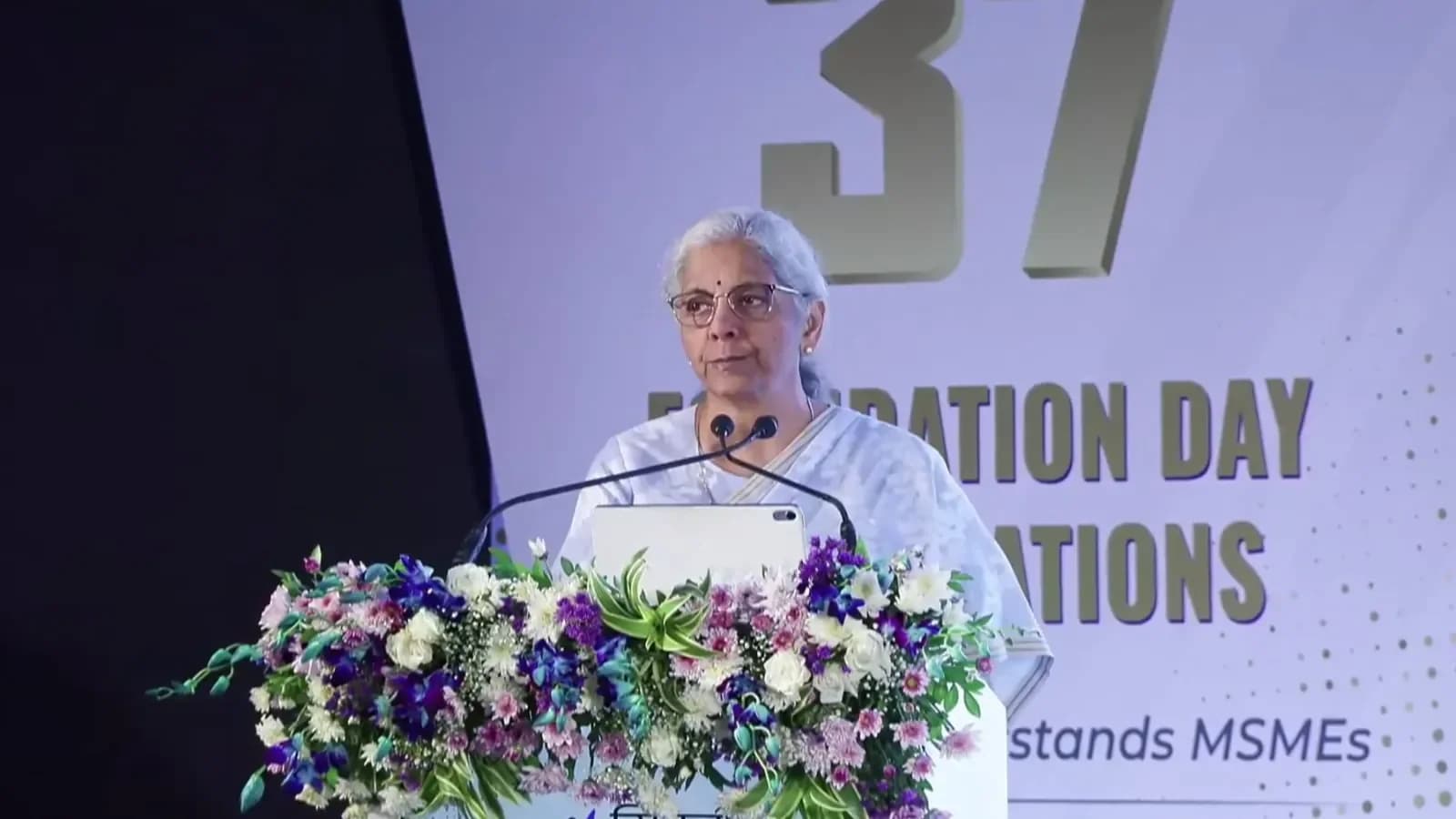
Union Finance Minister Nirmala Sitharaman emphasized that the ongoing US-Iran conflict has finally begun to hit India home, with economists signalling that the longer the crisis continues, the more difficult the situation would become for the economy. Speaking at the 37th Foundation Day event of the Small Industries Development Bank of India (SIDBI) in Mumbai on Monday, Sitharaman warned that the conflict could lead to higher fuel costs, delayed cargo movement, expensive shipping, shortages of inputs, pressure on working capital and uncertainty in export orders. According to The Times of India, the finance minister stressed that the government's approach will focus on protecting citizens, supporting MSMEs, safeguarding exporters, keeping supply chains moving and maintaining economic stability. Sitharaman noted that the West Asia crisis has emerged not just as a geopolitical challenge but also as a major economic disruption affecting businesses, exporters and MSMEs through rising fuel costs, expensive shipping, supply shortages and working capital stress.
The latest fuel price increases came just hours after petrol and diesel prices were raised by ₹2.61 and ₹2.71 per litre respectively on Monday, marking the fourth fuel price hike in less than two weeks. According to The Times of India, after initially holding retail fuel prices steady, oil marketing companies have raised petrol and diesel prices four times since May 15, taking the cumulative increase to over ₹7.5 per litre. The latest revision follows a sharp rise in global crude oil prices triggered by the ongoing West Asia conflict and disruptions in international energy supply chains. To cushion citizens and businesses from the impact of rising crude oil prices, the government has reduced excise duty on petrol and diesel by ₹10 per litre, even though this decision would lead to a revenue impact of more than ₹1 lakh crore. Sitharaman also highlighted customs duty exemptions on key industrial raw materials to help exporters and support supply chain continuity.
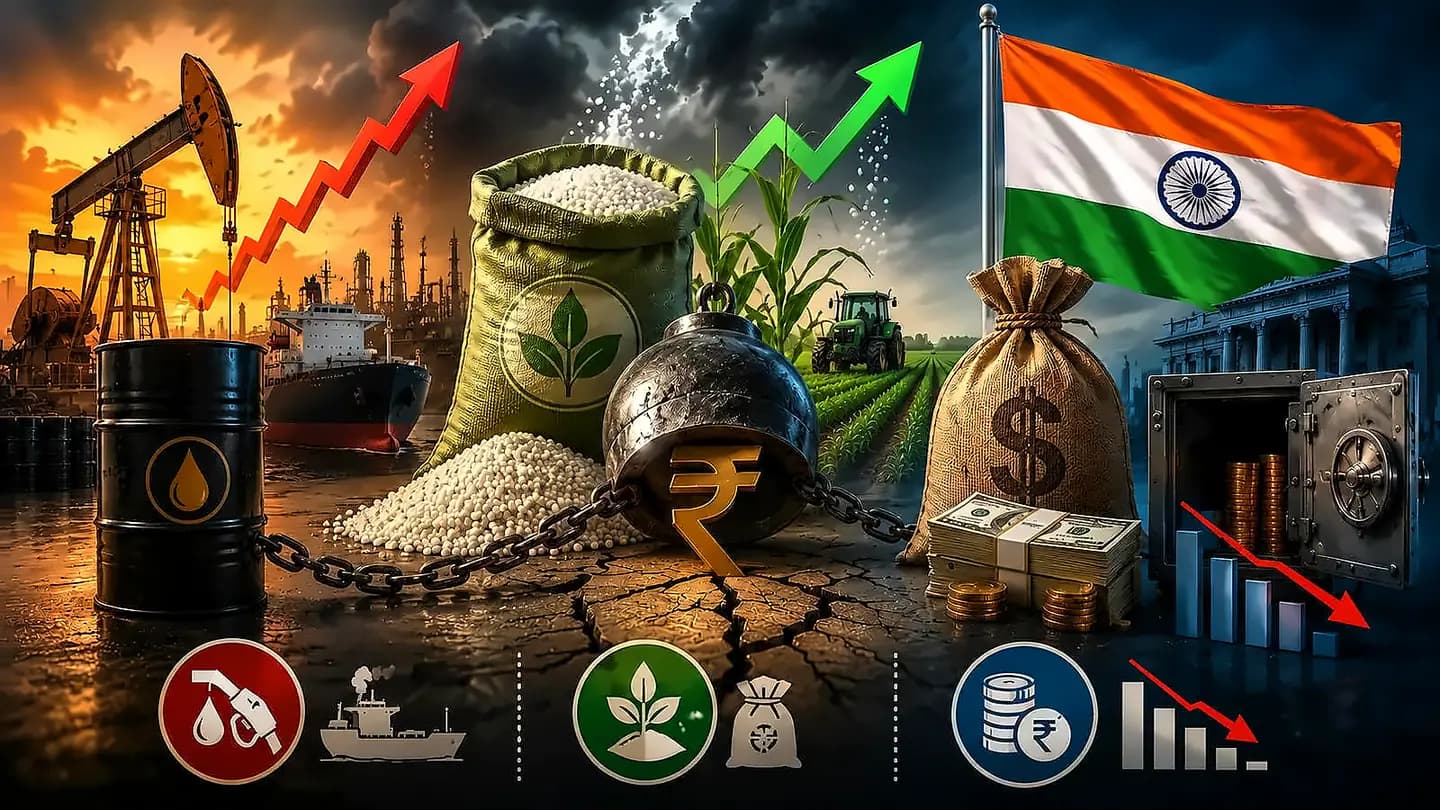
Sitharaman explained the context behind Prime Minister Narendra Modi's appeal to conserve foreign exchange, highlighting what she termed the 'three Fs' — fuel, fertiliser and foreign exchange. As reported by The Times of India, she stated that the country must focus on these areas due to high and dynamic international crude prices, high fertilizer prices, and high gold prices that are creating challenges on the external front. The finance minister noted that for all three categories, payments must be made in foreign exchange, making it crucial to understand the context and focus on these fundamental areas. Sitharaman explained that foreign exchange in this context is for purchase of gold, emphasizing that high international crude prices are ever-changing, seriously dynamic - one rate at one point in time, within a week another, within a week another. According to The Times of India, she added that the high crude prices have been fluctuating for over 80-90 days, creating sustained pressure on the external sector. She also highlighted that the challenges are more external driven and that the government has been working to address these issues since the budget session itself after the war broke out.
The fertiliser sector faces unprecedented challenges as soaring international prices threaten to strain government finances significantly. According to The Times of India, India's fertiliser subsidy burden for FY27 could rise sharply to nearly ₹2.4 lakh crore, an increase of around ₹70,000 crore over current estimates, due to rising import costs of urea and other fertilisers amid the continuing West Asia conflict. The Union Budget had estimated fertiliser subsidies for 2026-27 at ₹1.7 lakh crore, making the potential increase of ₹70,000 crore a significant fiscal concern. However, government officials confirmed that adequate stocks are available and imports have already been arranged to meet Kharif season demand, with current stocks standing at nearly 201 lakh tonnes, which is about 51% of the total estimated requirement of 390 lakh tonnes. Domestic fertiliser production continues at roughly 80,000 tonnes per day, though output has reached around 86.2 lakh tonnes from March till now compared with 93 lakh tonnes during the corresponding period last year.
Despite global uncertainty, Sitharaman asserted that India's domestic economy continues to remain resilient, citing strong economic indicators. According to The Times of India, India's retail inflation rose to 3.48% in April from 3.40% in March, while wholesale inflation climbed to a 42-month high of 8.3%, largely driven by higher fuel and energy prices. The repeated fuel price increases are expected to intensify inflationary pressure and raise transportation and logistics costs across the economy. On the banking side, Sitharaman said gross NPAs of public sector banks declined to 1.93% in FY26, while credit growth remained broad-based across retail, agriculture and MSMEs. The Finance Minister revealed that the government had already created a ₹1 lakh crore Economic Stabilisation Fund in the Union Budget presented on February 1, even before the full impact of the US-Iran tensions emerged. For MSMEs, the government has launched the Emergency Credit Liquidity Guarantee Scheme 5.0, which aims to provide an additional ₹2.55 lakh crore in credit support with 100% government guarantee coverage. Sitharaman criticized what she described as unnecessarily pessimistic narratives, stating that India cannot afford fear-mongering.