India's participation in BRICS+ represents a strategic approach to multilateral diplomacy, with the forum's key value lying in its contribution to a genuinely multipolar order. As reported by GIS Reports, during the Cold War, India led the Non-Aligned Movement (NAM), opposing the domination of international affairs by one or two competing powers. Like NAM, BRICS+ faces both internal and external difficulties, with members coming from different continents, having divergent national interests and being at different stages of economic development. The bloc's lack of consensus on issues such as reform of the United Nations Security Council and joint statements on the wars in Ukraine and Iran reflects these inherent challenges.
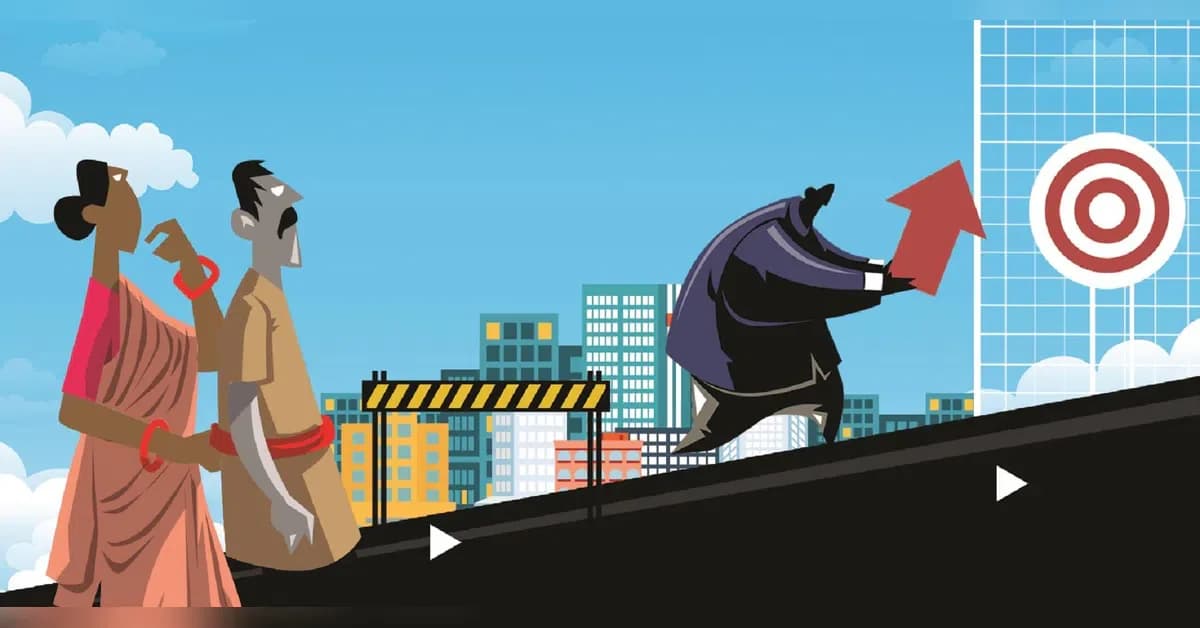
India's economic policy has consistently failed to address fundamental social needs despite decades of reforms. According to reports from Business Standard, government spending on health as a proportion of GDP remains globally among the lowest, resulting in millions sinking into poverty due to out-of-pocket expenditure. The abysmal quality of primary education is documented year after year by the Annual State of Education Reports (ASER), while India maintains among the largest proportion of anaemic pregnant women and malnourished children worldwide. The single most important issue angering youth remains unacceptably high unemployment rates, which have persisted regardless of political dispensations.
Indian economic policy since Independence has remained obsessed with achieving higher GDP growth rates, assuming that benefits would trickle down to the masses. As reported by Business Standard, GDP growth is blind to crucial factors including job inclusivity, employment security, meaningful income distribution, resource depletion, ecosystem damage, and social injustice. The metric cannot directly measure nutrition, health outcomes, social inclusion, or institutional trust, nor capture the contribution of unpaid care work or informal work precarity. This GDP-focused approach faces significant limitations when measured against India's actual economic position in the global economy.
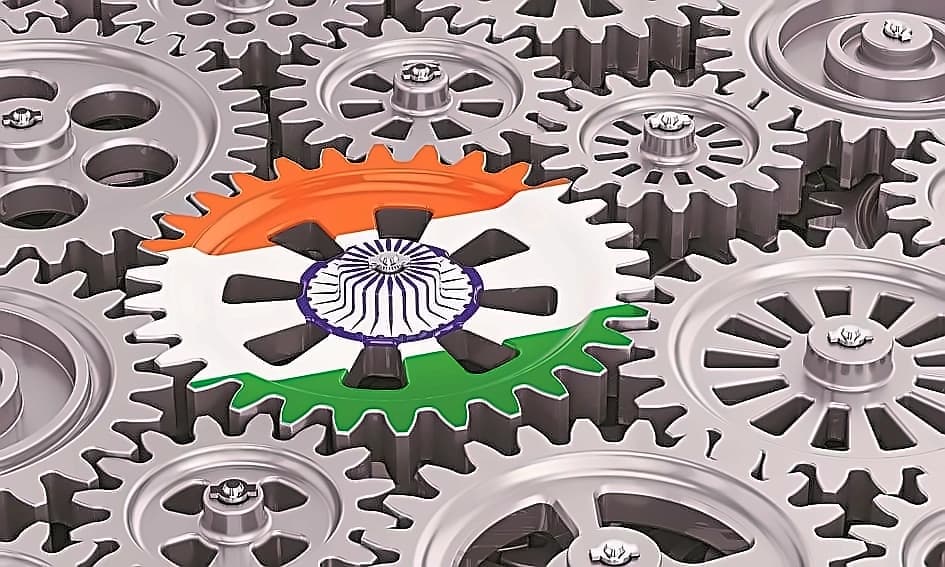
India's hopes of leveraging its geopolitical and geoeconomic heft through BRICS+ face significant limitations due to stark economic disparities. According to GIS Reports, although India is the world's most populous country, it accounts for 17.7 percent of the global population but only 3.3 percent of global gross domestic product (GDP) and 2.5 percent of global exports. By comparison, its principal Asian rival, China, accounts for 16.8 percent of global GDP and 11.3 percent of global exports. This economic disparity helps explain why India needs to reconcile its BRICS+ membership with its ties to the U.S., as the threat of U.S. tariffs on BRICS+ countries has pushed India closer to other grouping members.
India faces a critical water crisis with 50 million groundwater structures and is the world's largest groundwater consumer. As reported by Business Standard, the common-pool resource nature of groundwater requires participatory management rather than traditional licence-quota-permit systems. The analysis highlights that 'hydro-schizophrenia' - dividing water into silos of groundwater and surface water without dialogue across sectors - has led to drinking water sources drying up due to over-extraction for irrigation and rivers drying up after monsoon due to over-exploited groundwater.
The analysis emphasizes that while the state must make massive investments in healthcare and education, mere expenditure without community engagement has resulted in India's 'Universalisation without Quality' syndrome. According to the report, successful solutions have been tested in parts of India and globally, but implementation depends on whether communities demand real solutions and governments pay attention to youth demands for genuine reforms. This implementation challenge is particularly relevant as India navigates its BRICS+ membership while addressing domestic policy gaps.