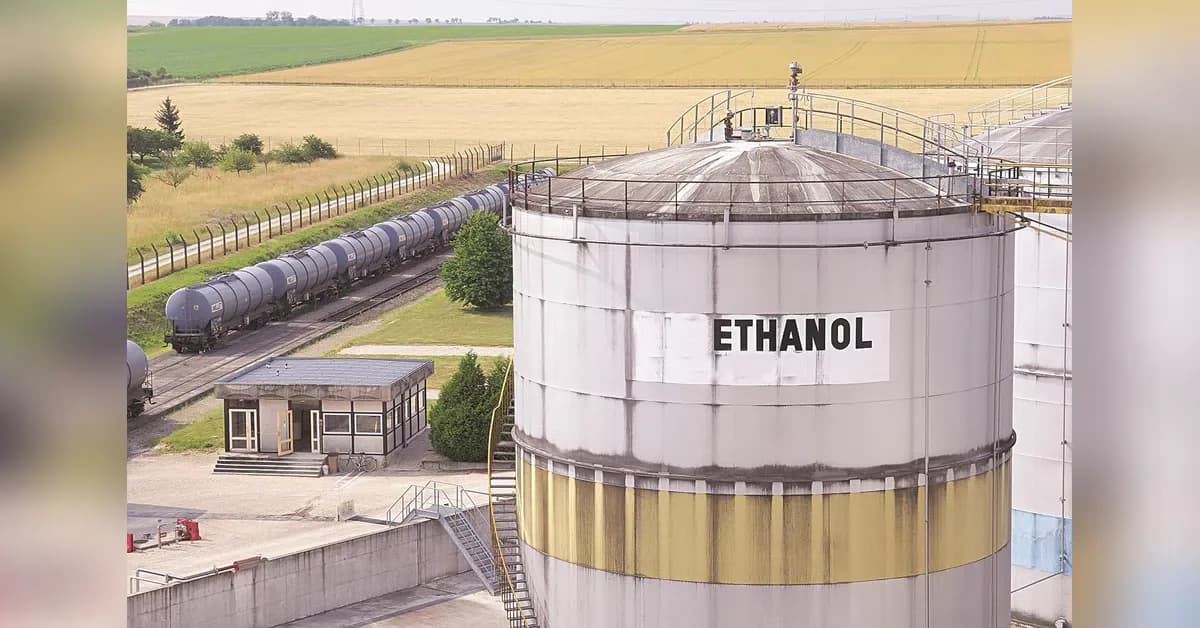
India has achieved a significant milestone with its first commercial Dimethyl Ether (DME) facility beginning production, marking a major step toward domestic alternative fuel production. According to ETV Bharat, this development represents a strategic move to reduce LPG import dependence and strengthen India's energy security amid ongoing geopolitical complexities. The facility, operated by Balaji Amines, will consume around 100,000 tonnes of methanol annually if operated at full capacity, demonstrating the scale of India's commitment to domestic fuel alternatives.
Prime Minister Narendra Modi's recent appeal to conserve foreign exchange comes at a critical time for India amid global uncertainty, high import dependence, and recurring supply shocks. According to reports from The Hindu BusinessLine, his message was clear: reduce avoidable fuel consumption, avoid non-essential gold purchases, buy local, and act in the national interest. However, as noted in the analysis, conservation can only be the first response, not the full strategy for building long-term economic strength.
A country of India's size cannot build long-term economic strength by only asking people to consume less, according to the analysis. The real answer is to produce more, more energy, more minerals, more metals, more fertilisers, more critical inputs and more finished products within India. Industrialist and Vedanta Group Chairman Anil Agarwal has also underlined this point in his recent public commentary, emphasizing that India must not only save foreign exchange but also build domestic production capacity in sectors where the country remains import-dependent.
DME offers significant advantages as a viable LPG alternative that burns cleaner with lower soot emissions and can be produced from multiple domestic resources like biomass and waste. As reported by ETV Bharat, DME is expected to be cheaper than LPG, which would benefit households, hotels, restaurants, and small industries. The facility will initially operate with an 8% blending model, with plans to gradually increase to 20% in the future after testing and validation studies are completed. Industry experts note that DME's compatibility with India's existing LPG distribution network provides a major advantage, requiring only minor modifications to storage systems, transportation infrastructure, cylinders and burners.
The analysis outlines five key steps for India's production-focused strategy: trusting production over process with faster approvals and predictable rules, unlocking natural resources through productive use of explored mineral blocks and oilfields, building downstream capacity in refining, smelting and processing, bringing more capital and technology into resource sectors, and making self-reliance measurable through tracking import reduction in oil, gas, fertilisers, copper, aluminium, zinc and critical minerals as national economic goals.

Despite the strategic importance of DME production, regulatory approvals remain a major hurdle for the fledgling sector. According to ETV Bharat, Balaji Amines faced challenges in securing permissions from the Petroleum and Explosives Safety Organisation (PESO) for road tankers, storage systems and cylinders. The company has proposed using idle LPG road tankers for DME transportation, arguing that DME operates at lower pressure than LPG and could help optimise underutilised logistics assets. Industry observers say the success of India's first commercial DME project could shape future policy decisions around cleaner alternative fuels, domestic methanol production and long-term energy diversification strategies.