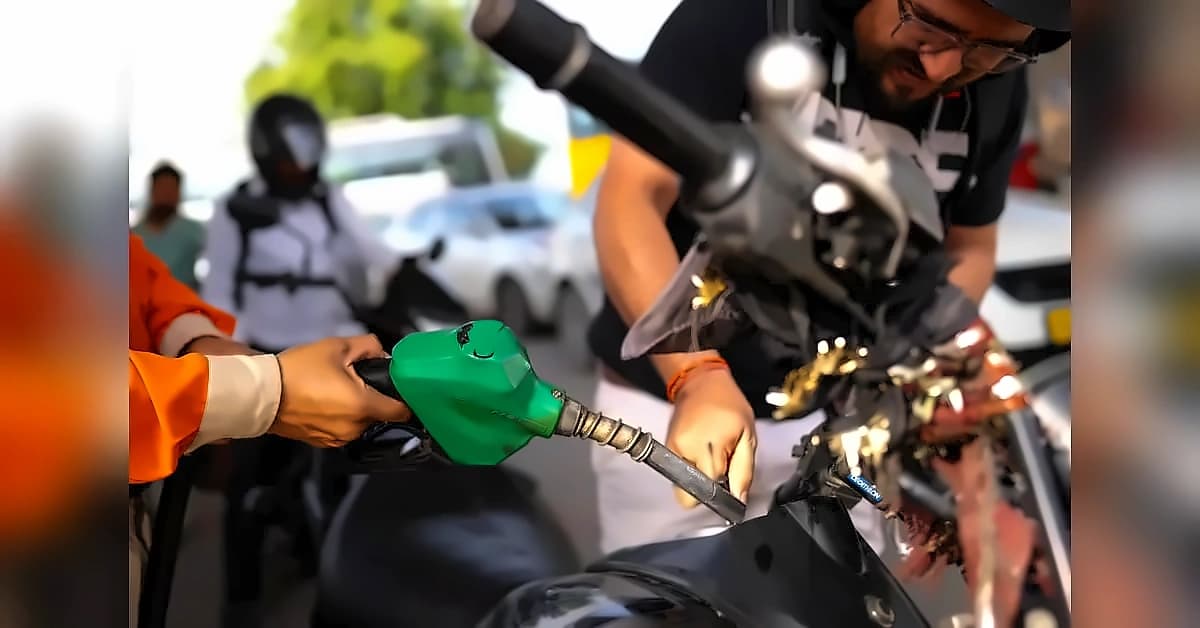
The Centre is evaluating a phased transition to higher ethanol-blended petrol, with E21 likely to be introduced in 2027 and E25 potentially following by 2029, according to government sources. However, officials stressed that any move to E25 will be contingent on comprehensive scientific and technical validation before implementation. The proposed roadmap builds on India's successful rollout of E20 petrol, which underwent extensive scientific assessment before being introduced nationwide. Sources said the country's ethanol blending programme has been designed in line with global best practices, ensuring vehicle compatibility, fuel efficiency and environmental safety.
Industry experts on Saturday defended the government's ethanol blending programme, stating that the transition to E20 fuel followed years of scientific assessment, stakeholder consultations and vehicle testing, with no major concerns found by automakers and research bodies. Speaking at a press conference in New Delhi, former Engineers India Ltd (EIL) chairman and managing director Vartika Shukla said the ethanol blending programme was not introduced abruptly and had undergone a structured rollout process. 'The ethanol blending programme was placed in the public domain for structured discussions and stakeholder consultations in 2018,' Shukla explained, noting that the initiative is supported by scientific studies and testing carried out by automobile manufacturers, the Automotive Research Association of India (ARAI) and the Society of Indian Automobile Manufacturers (SIAM). The panel of experts included representatives from Bajaj Auto, TVS Motor, Hyundai Motor India and Hero MotoCorp.
India's leading passenger vehicle manufacturers, Maruti Suzuki India Ltd and Toyota Kirloskar Motor, have sought to reassure customers over the use of E20 petrol, stating that extensive testing and real-world data show no evidence that the higher ethanol blend causes engine damage, excessive wear and tear or a rise in insurance claims. Maruti Suzuki's Senior Executive Officer Rahul Bharti confirmed that E20 fuel has 3-3.5% lower calorific value than E10 petrol, with the mileage impact limited to this extent - for a car giving 20 km per litre, the impact works out to roughly 0.6 km per litre. The company's after-sales data supports this conclusion, with Maruti servicing over 2.84 crore cars in FY 2025-26, including more than 1.5 crore older-generation cars, with no E20-related issues of corrosion, wear and tear or damage to component life reported from the field. Hero MotoCorp's chief business officer Ashutosh Varma emphasized that 'All our vehicles undergo extensive testing. We analyse crores of service records from across the country. Based on the data available to us, there is no evidence of higher damage in vehicles running on E20 fuel'. Toyota Country Head Vikram Gulati described ethanol as 'a very good fuel' that delivers high performance while helping reduce carbon emissions, noting that 'In an era when we are facing the issue of climate change... this is a zero carbon fuel because it's derived from plants'. Puneet Anand, associate vice president at Hyundai Motor India, said the company is 'very confident that we haven't seen any glaring issues on social media that warrant a rethink of the government's biofuel blending program'.
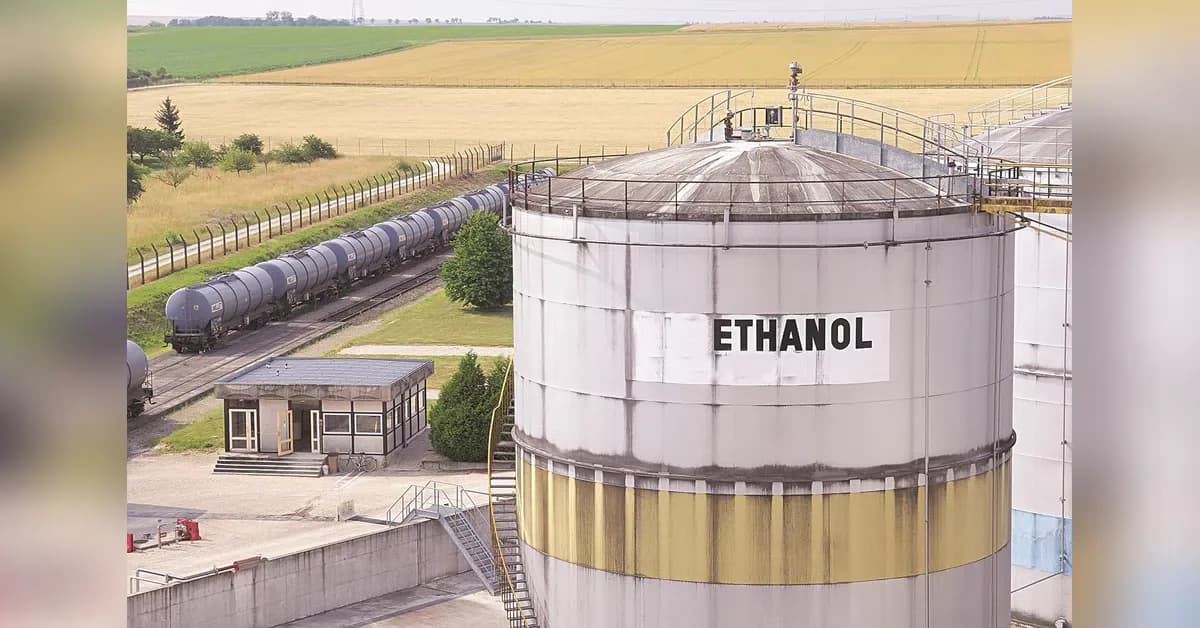
The Centre has issued a detailed rebuttal to what it described as misinformation circulating on social media about E20 fuel, rejecting claims related to water consumption, engine damage, insurance validity and environmental impact. In a 10-point clarification, the Ministry of Petroleum and Natural Gas said the programme, under which petrol can contain up to 20% ethanol, is backed by scientific studies, international experience and regulatory safeguards. The ministry rejected claims that producing one litre of ethanol requires 10,000 litres of water, stating that only surplus rice stocks, released after meeting national food security requirements, are used for ethanol production. Earlier on Friday, the Centre allocated an additional 2 million tonnes of surplus broken rice from Food Corporation of India (FCI) stocks for ethanol production, over and above the 5.2 million tonnes already released under the ethanol blending programme. The programme has contributed to foreign exchange savings of more than ₹1.9 lakh crore and reduced carbon dioxide emissions by around 930 lakh metric tonnes.
India's ethanol production capacity has undergone a dramatic transformation, expanding nearly fivefold from 421 crore litres in 2014 to about 2,000 crore litres in 2026. According to the latest government update, ethanol procurement has risen from about 38 crore litres in Ethanol Supply Year (ESY) 2013-14 to over 1,200 crore litres projected for 2025-26. Under the Ethanol Blended Petrol (EBP) Programme, ethanol blending increased from less than 1.5% in 2013-14 to 20% in 2025-26, with India achieving this target five years ahead of schedule. The government highlighted that this expansion has contributed to foreign exchange savings of more than ₹1.9 lakh crore, expedited payments exceeding ₹1.6 lakh crore to farmers, and reduced carbon dioxide emissions by around 930 lakh metric tonnes. Oil Minister Hardeep Singh Puri blamed vested interests of spreading misinformation, stating that any move to raise ethanol blending to 25% from 20% would be undertaken only after rigorous testing and consultations with stakeholders.
Both manufacturers acknowledged that E20 petrol leads to a small reduction in fuel efficiency due to ethanol's lower calorific value compared to petrol. Maruti estimates the difference between E10 and E20 at around 3% to 3.5%, while Toyota puts the impact at roughly 3% to 4%. However, both stressed that the reduction is within expected engineering limits and does not indicate any mechanical problem. Maruti's Bharti clarified that driving and maintenance factors cause far greater variation in mileage than the 3-3.5% calorific value difference, with factors such as tyre pressure, driving pattern, correct gear usage, acceleration, braking and maintenance causing far greater mileage variation. The companies emphasized that ethanol's higher octane rating could enable future engine designs with higher compression ratios, with Maruti's Bharti noting that higher-ethanol fuels such as E85 could eventually help recover part of the mileage loss while improving engine performance and low-end torque. Toyota Country Head Vikram Gulati highlighted that 'Ethanol is a clean fuel which offers good drivability and acceleration' and is derived from plant-based sources, contributing to lower carbon emissions. Vehicles designed for E20 have been on sale since 2025, while the fuel is also compatible with older E10-certified vehicles, according to Rahul Bharti, executive director at Maruti Suzuki India.