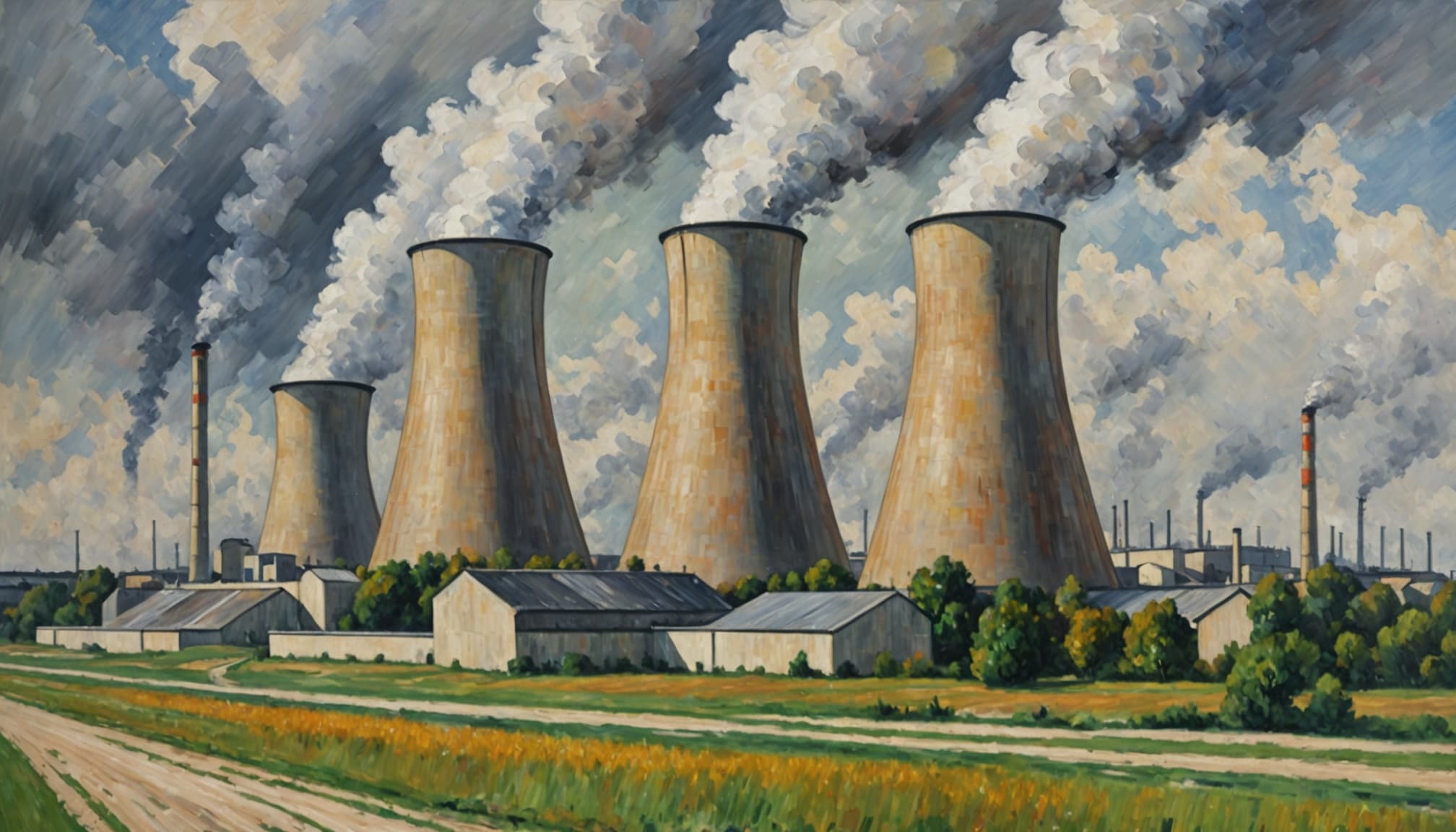
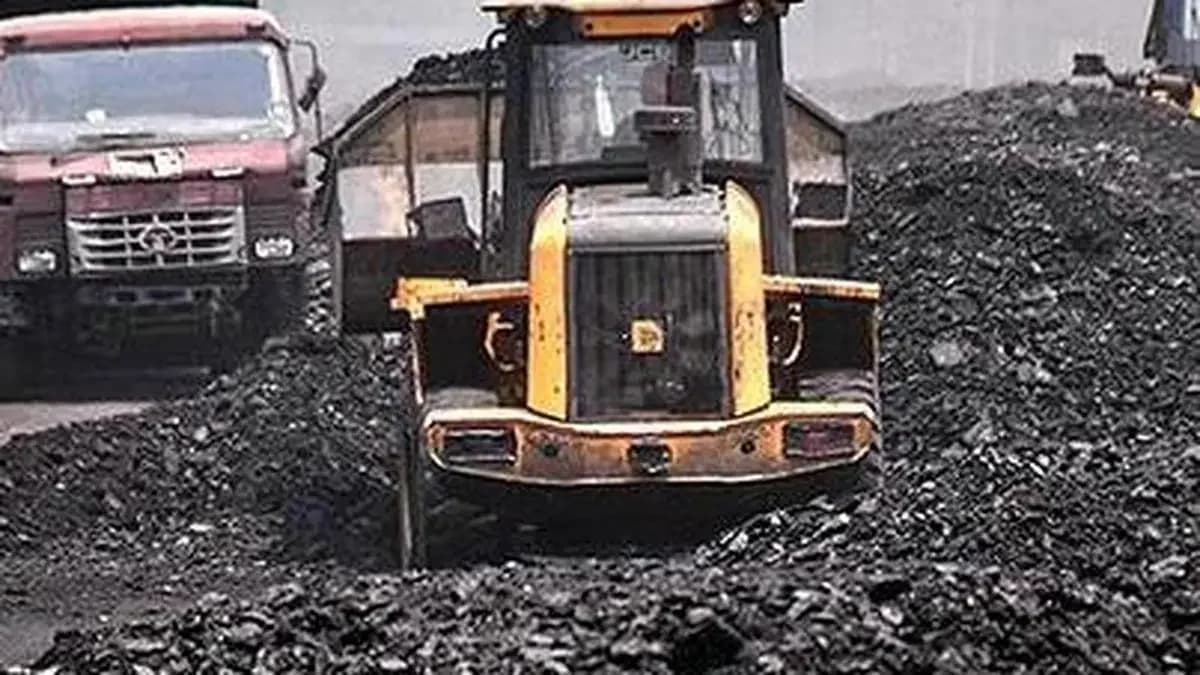
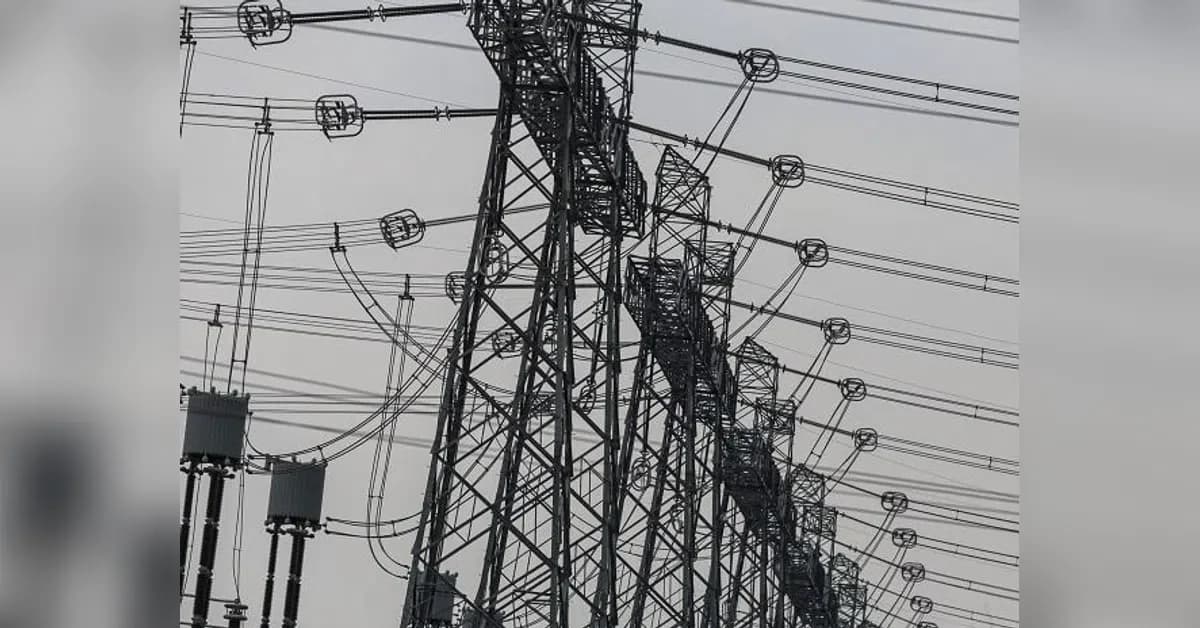
India's coal-fired power generation surged to a near-three-year high in June, rising 14% year-on-year to 120.20 billion kWh, according to government data from Grid-India. As reported by Reuters, this represents the highest coal power output since November 2023, driven by increased cooling demand from higher temperatures during an extended heatwave and below-average monsoon rainfall. The surge reflects the country's reliance on thermal power to meet peak electricity demand during extreme weather conditions, with demand for coal power surging in the past two months to meet evening air-conditioning demand as a lack of battery storage for solar generation limits solar power usage at that time.
A super El Niño pattern poses significant risks to India's clean energy transition, with a new study warning that extreme weather conditions could strain the power grid more than any other electricity network globally. According to a report published by the Centre for Research on Energy and Clean Air (CREA), rising temperatures and weaker monsoon showers could leave India's electricity system more vulnerable than any other country's. The report highlighted that India is widely exposed because an El Niño event typically brings two simultaneous challenges: soaring electricity demand driven by extreme heat and lower hydropower generation due to reduced rainfall. Additionally, thermal plants may also struggle with water shortages, increasing stress on the grid. This shortfall, described as the largest among 110 countries analyzed, would most likely need to be met with an increase in coal-fired electricity generation.
Despite India's ambitious clean energy goals, coal remains a dominant source of electricity generation, with the country forecasting coal's share in the nation's generation mix will fall to 64% by 2027 and to nearly 50% over the next decade. However, as noted by Business Standard, coal's share remains at more than 70% even after a drop in thermal power production last year. This persistent reliance on coal highlights the challenges in transitioning away from fossil fuels during extreme weather conditions, with thermal power generation continuing to meet peak electricity demand during evening air-conditioning periods when battery storage limitations for solar power are most pronounced. The warning follows expectations from meteorological agencies that El Niño conditions will intensify in the next few months, with the India Meteorological Department (IMD) forecasting below-normal rainfall for July.
Solar technology has proven to be a critical buffer against soaring temperatures, with the technology meeting almost a quarter of daytime peak electricity consumption between January and May this year, helping to keep thermal power output below 2024 levels despite record-breaking heat waves. According to Business Standard, while India is proving successful in deploying solar farms, battery storage and grid infrastructure need to be accelerated to enable the nation to begin reducing fossil fuel dependence. Adding battery energy storage systems would allow India to further limit its reliance on coal, especially during evening hours when solar generation faces storage constraints. However, as noted by experts, until storage capacity can expand significantly, coal-fired generation is expected to remain the backbone of the grid during periods of extreme weather.
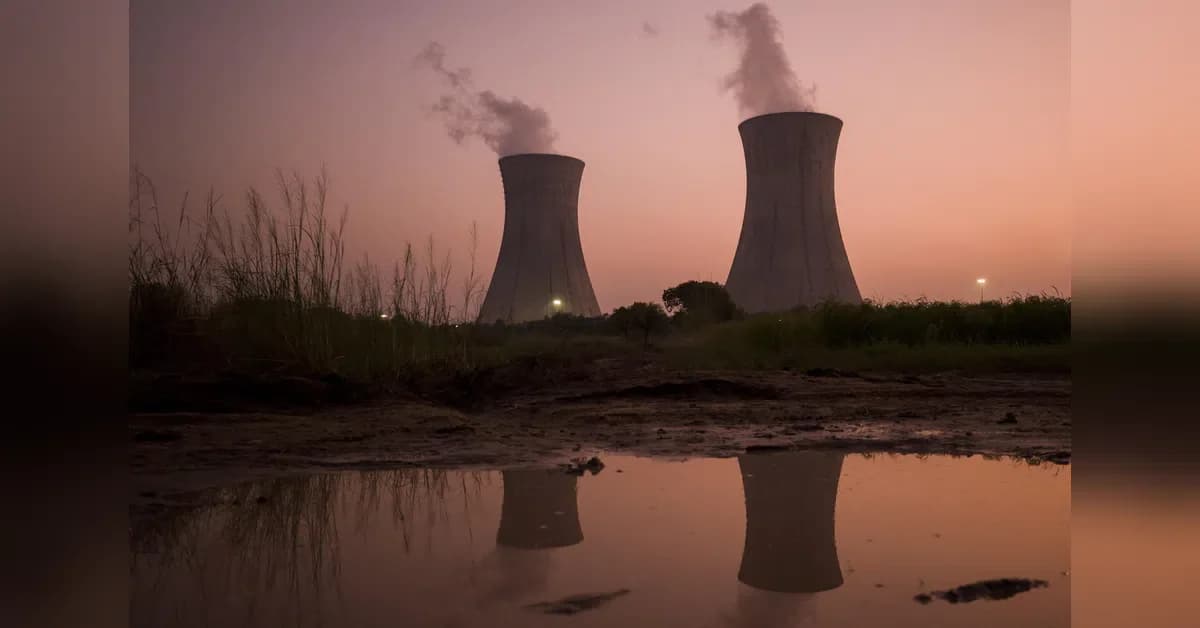
India's total electricity generation in June rose 10.4% from a year ago to 178.31 billion kilowatt-hours, demonstrating the country's growing power demand. According to Reuters calculations of daily data from federal grid regulator Grid-India, this growth was primarily driven by thermal power generation meeting increased cooling requirements. The data shows that despite the overall growth in electricity generation, thermal power's share in the power mix increased significantly due to weather-related demand patterns, with the El Nino phenomenon causing hot, dry weather in South and Southeast Asia that drove up cooling demand. Hydropower output fell sharply because of poor reservoir inflows, and while renewable energy generation has continued to grow, it has not been sufficient to offset the decline in hydropower or meet peak evening demand.