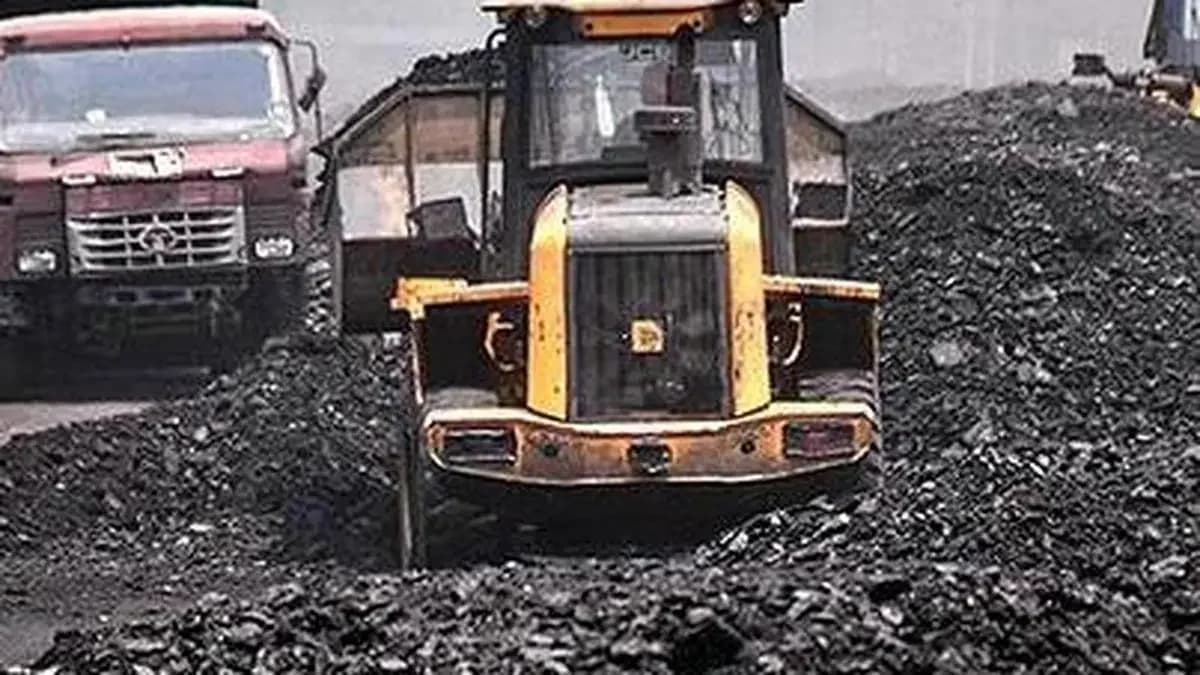
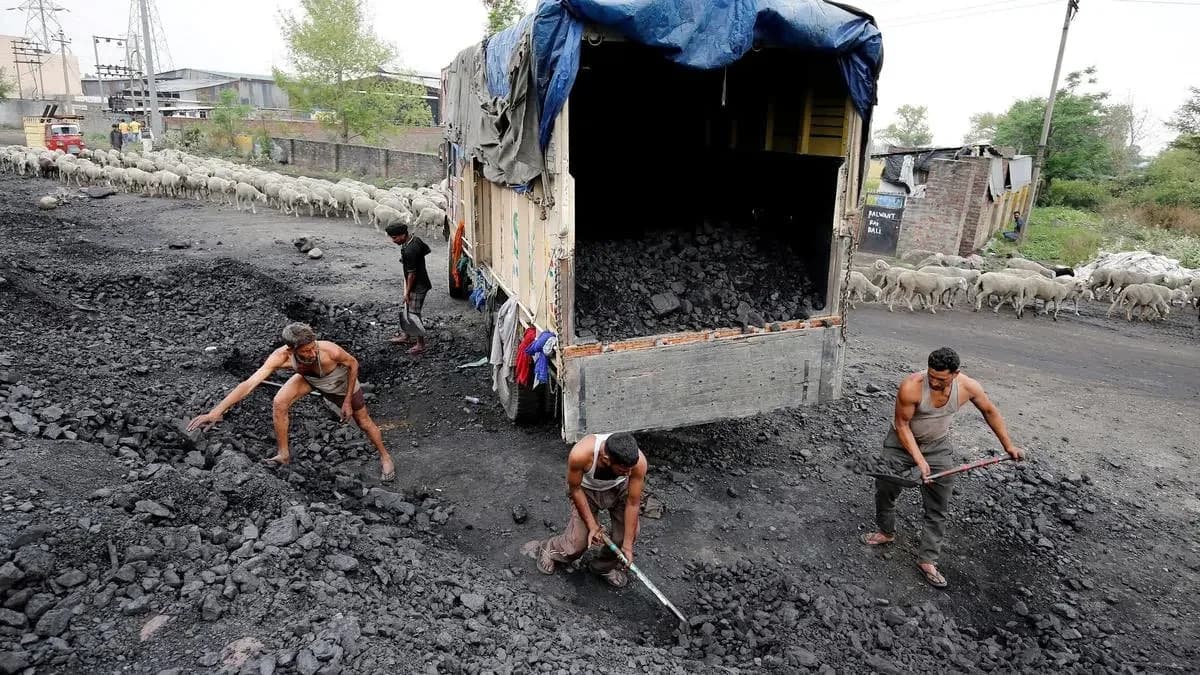
India's coal power continued to dominate the country's electricity mix in the April-June quarter of 2026, accounting for 69.54% of total power generation, according to the Union Power Ministry. The ministry confirmed that coal-based generation capacity, including lignite-based capacity, stands at around 230.8 GW and accounts for 69.54% of total electricity supplied between April and June 2026. During non-solar peak demand hours, maximum generation from these plants reached about 188.8 GW, representing nearly 75% of the total generation of 251.4 GW. As per the latest reports from the Ministry of Power, the government has confirmed that sufficient coal is being received at present by thermal power plants to meet daily demands.
Concerns that El Nino could strain India's power system through higher cooling demand, weaker hydropower generation and greater reliance on coal have prompted governments and utilities to step up preparations for the summer months. According to the ministry's written reply to Parliament, peak electricity demand between April and June rose by around 12% compared with the corresponding period last year. Despite this increase, India successfully met its highest-ever peak demand of 270.8 GW in May, with demand crossing 270 GW twice again in July and both instances met successfully. The ministry linked the rise in electricity demand to weather conditions, stating that "in view of development of El Nino conditions in the current year, the requirement of electricity has risen significantly."
India's thermal power plants currently maintain 41.4 million tonnes of coal stocks as of July 18, 2026, which is sufficient for 13 days at 85% plant load factor (PLF), according to the Ministry of Power. The ministry confirmed that thermal power plants are receiving adequate coal supplies to meet daily demand, while scheduled maintenance of generating units is planned in advance to minimise disruptions during peak demand periods. During non-solar peak demand hours, maximum generation from these plants reached about 188.8 GW, representing nearly 75% of the total generation of 251.4 GW. The ministry emphasized that coal supplies to thermal plants remain adequate and that geopolitical tensions in the Middle East have had "minimum impact on energy availability in the country" because gas contributes less than 2% to India's electricity generation.
The government has established comprehensive monitoring mechanisms to ensure uninterrupted power supply through thermal plants. Coal supply to thermal power plants is being monitored daily through a joint committee comprising the Ministry of Power, the Railways and the Ministry of Coal. An Inter-Ministerial Committee comprising the Chairman of the Railway Board and the Secretaries of the Ministries of Coal and Power is also meeting regularly to review coal supplies to thermal power plants. The ministry said it has "taken various measures for maintaining uninterrupted electricity supply, adequate coal stocks, strengthening fuel logistics... and strengthening overall grid resilience & energy security." These include maximising electricity generation from all available sources, optimising hydropower generation during peak demand periods, ensuring adequate fuel availability at power stations, monitoring outages, speeding up grid connectivity for renewable energy projects, promoting energy efficiency and coordinating closely with the Ministries of Coal and Railways to maintain coal supplies.
Thermal capacity expansion continues with 9,470 MW added during FY2025-26, while another 2,260 MW has been commissioned during the current financial year, as reported by the ministry. Energy storage infrastructure is being expanded to support the grid during non-solar hours, with around 2,669 MW of Battery Energy Storage Systems and 7,426 MW of Pumped Storage Projects commissioned so far. These systems store surplus power generated during solar hours and utilise it primarily when solar generation is unavailable. The government has also implemented the Central Electricity Authority (Flexible Operation of Coal-based Thermal Power Generating Units) Regulations, 2023, which mandate coal-based thermal power units to achieve a minimum technical level of 40% in accordance with the phasing plan specified by the CEA. Additionally, 11 pumped storage projects with a combined capacity of 15,870 MW are currently under construction, while another six projects with a capacity of 8,140 MW have received approval or appraisal from the Central Electricity Authority.