The Prime Minister's Office (PMO) held a high-level meeting with all major line ministries on Tuesday to assess the situation arising from El Niño and the low monsoon's impact on different sectors of the Indian economy. As per an official statement, the meeting included representatives from agriculture, power, rural development, economic affairs and consumer affairs ministries. The PMO instructed that steps must be taken to ensure adequate fodder availability along with fodder development plans, and regular monitoring with states must be undertaken to ensure adequate drinking water availability in vulnerable districts. The meeting was held even as the southwest monsoon showed signs of picking up pace, with India receiving almost 51% surplus rainfall on Tuesday, preceded by over 61% surplus rainfall on Monday. The latest data shows that total rainfall deficit for all of India has been brought down to -12% following extensive rainfall during the first week of July.
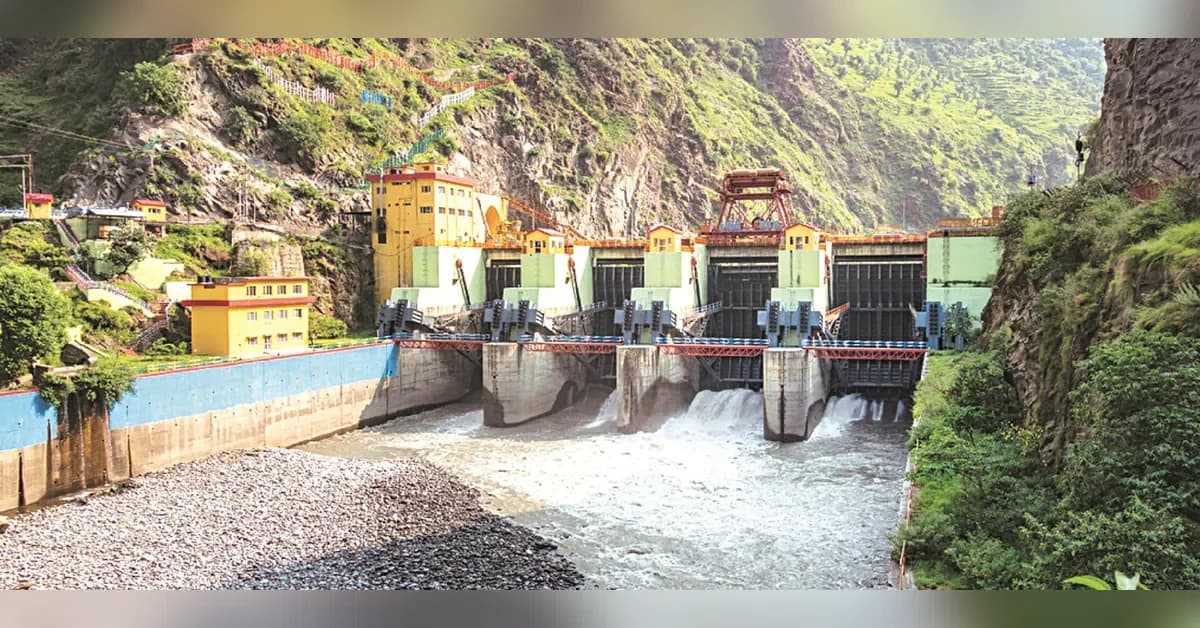
India's hydropower generation has experienced its steepest decline since February 2024, falling by nearly 21% compared to the same month last year in June 2026, according to data from the power ministry quoted in a Bloomberg report. This represents a significant escalation from the 6.3 GW decline reported by S&P Global and marks the most severe impact on India's hydropower sector since the previous El Niño event. The dry weather associated with El Niño has resulted in water levels in reservoirs dropping to only one-fourth of their total storage capacity, with water levels across 166 reservoirs tracked by the Central Water Commission being 39% lower than recorded a year earlier. As of July 2, reservoirs monitored by the Central Water Commission contained 47.7 billion cubic metres of water, highlighting the severe impact of the ongoing drought conditions.
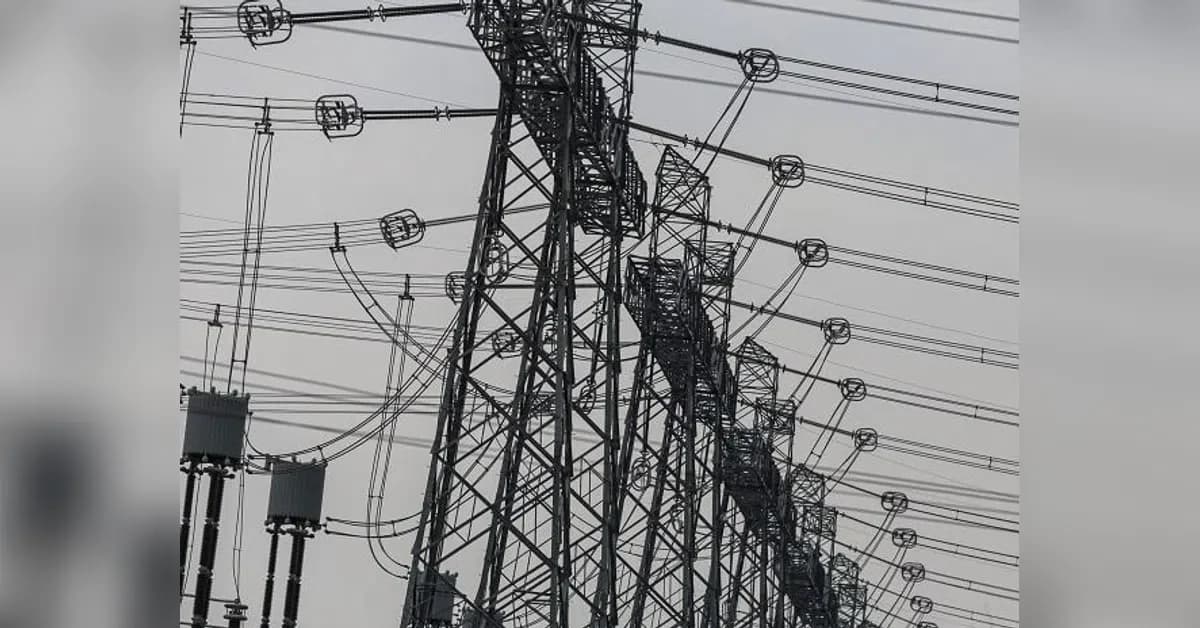
India's 20.7 GW increase in coal-fired generation was the largest thermal response to the regional hydro shortfall, as reported by S&P Global. The loss of flexible hydroelectricity forced the power system to lean more heavily on thermal generation to maintain grid reliability. In India specifically, a 24.3 GW year-on-year increase in power demand, together with the 6.3 GW decline in hydropower generation and a 0.8 GW fall in gas-fired output, was balanced by the 20.7 GW increase in coal-fired generation. Solar and wind generation together rose by 9.4 GW, according to S&P Global. The hydro deficit is already being offset through a combination of fuel switching and higher renewable generation in the worst-affected markets. S&P Global noted that the lost hydropower output across Asia was being replaced mainly by coal-based generation, increasing the risk of higher emissions.
The El Niño-induced drought has severely impacted India's agricultural sector, with total acreage under kharif crops falling 21% this season as subdued rainfall and delayed monsoon slowed sowing activity. According to agriculture ministry data, sowing of kharif crops as of July 5 was still almost 21% lower than the area covered during the same period last year, despite the recent improvement in rainfall. Paddy cultivation declined 13% to 6.02 lakh hectares from 6.93 lakh hectares a year earlier, while pulses sowing dropped to 3.71 lakh hectares from 4.74 lakh hectares. The area under oilseeds recorded the steepest decline with acreage shrinking to 6.63 lakh hectares from 10.92 lakh hectares in the year-ago period. Cotton sowing also registered a sharp fall, declining to 6.31 lakh hectares compared with 8.2 lakh hectares last year. The Department of Agriculture shared details on the spread of climate-resilient seed varieties and weekly meetings of the Crop Weather Watch Group along with states to monitor rainfall, reservoir storage, crop sowing, input availability, market trends, and emerging pest and disease situations.
India's rainfall deficit has shown significant improvement, narrowing to 14% as of July 9 from a high of almost 40% as on June 30, 2026, as the southwest monsoon gathered momentum. According to the India Meteorological Department (IMD), India's overall rainfall deficit fell to 14% on July 9, down from 30% on June 30, with the southwest monsoon covering the entire India on July 9 after first making landfall over the Kerala coast on June 4. Between June 1 and July 9 this year, India received only 205 mm against the country's LPA of 233.1 mm, marking a deficit of 14%. According to IMD's classification, a 14% deficit still falls under the 'normal' rainfall category, as cumulative rainfall between 19% below and 19% above the LPA is considered normal. The monsoon recovery is particularly evident in regional performance, with Central India showing a surplus of 1% and South Peninsula recording a surplus of 15% during the period from June 1 to July 7, 2026. Current El Niño-adjusted outlook assumptions continue to show lower hydropower utilisation rates than non-event cases across several markets during the third quarter of 2026, particularly in India, Bangladesh, Vietnam and the Philippines.