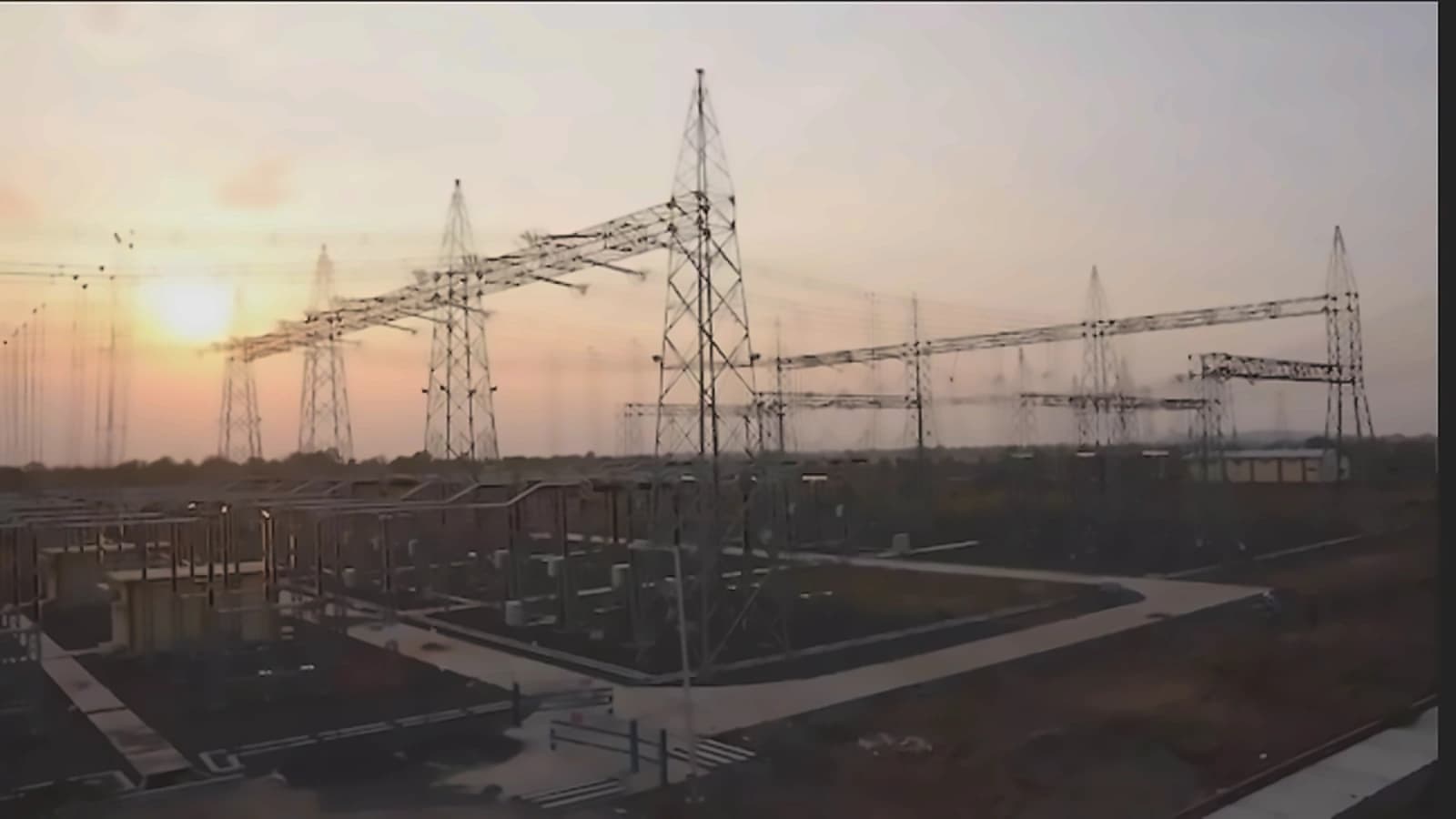
India's power sector is facing a perfect storm this monsoon season. Heavy rainfall in key coal-producing states like Odisha, Jharkhand, and Chhattisgarh has hit mining operations and slowed transportation, creating severe bottlenecks in the domestic coal supply chain. These states account for a substantial portion of India's coal production, and the monsoon-induced disruptions have cascaded into inventory drawdowns at thermal power plants across the country. As of August 25, 2026, coal stocks at power plants stood at 30.95 million tons—equivalent to around 10 days of operational requirement, compared with 12 days in July. This represents a sharp 19% decline from end-July levels, with 45 thermal power plants now operating with critically low coal inventories, defined as stocks below 25% of required inventory or sufficient for less than three days of generation.
The situation is particularly acute for plants dependent on domestic coal, which comprise 40 of the 45 affected facilities. The core problem is straightforward: coal deliveries are lagging burn rates. An official at NTPC Limited, India's largest thermal power producer, described the situation as "hand-to-mouth," meaning plants receive coal just in time for immediate consumption rather than building adequate buffer stocks. This operational tightness leaves virtually no margin for unexpected disruptions. The railway rake shortage has emerged as a critical constraint in coal replenishment. Some plants need five to six rakes per day but are receiving only half that number, severely constraining their ability to rebuild stocks even when coal is available at mines.
The El Niño Factor: When Rain Deficit Drives Demand Surge
Compounding the supply-side challenges is an El Niño-driven weather pattern that has created a paradoxical demand surge. India is experiencing its weakest monsoon since 2009, with 12% less rainfall than normal as of August 2026. This deficient rainfall has led to hotter-than-usual temperatures across many regions, driving up electricity demand precisely when hydropower generation is constrained. The uneven monsoon has driven power demand, primarily for air-conditioning, with cooling demand remaining elevated particularly during nighttime hours when solar generation is unavailable.
The numbers tell the story of surging demand. India's peak power demand reached a record 270.8 GW on May 21, 2026, representing a 26% increase in just 50 days from 214.9 GW on April 1. Coal-fired power generation hit 114.7 TWh in July 2026—8.4% above the previous July record of 105.8 TWh set in 2024. Analysis by the Centre for Research on Energy and Clean Air (CREA) projects that a strong 2026-27 El Niño could force India to generate an extra 17.7 TWh of fossil power between July 2026 and June 2027. This surge in electricity demand is outpacing domestic coal supply capabilities. Coal production fell by 5.9% year-on-year to 232.49 million tonnes in the April-June quarter, and the supply gap was bridged entirely through inventory drawdown rather than production growth—a strategy with finite runway.
Operational and Financial Strain on Power Generators
Operating with critically low coal stocks significantly affects operational parameters at power plants. For NTPC, which maintains a Plant Load Factor (PLF) of 76.20% for coal stations (significantly above the national average of 67.20%), the current constraints create operational stress. Critically low coal stocks force plants into hand-to-mouth operations, reducing operational flexibility and increasing generation risk. Any disruption in coal supply immediately threatens generation continuity. While NTPC's average coal price decreased from INR 3,791/ton to INR 3,584/ton (5.46% reduction) in Q2 FY25, the operational constraints limit the ability to fully benefit from cost improvements. Transcripts +1
The cost implications are mounting. Coal prices reached $131.25 per ton on August 26, 2026, up 17.66% compared to the same time last year. Transport costs make up more than one-third of the landed cost of coal supplied to power plants and have more than doubled over the last 10 years. A decrease in Capacity Utilization Factor (CUF) from 80% to 60% increases the Levelized Cost of Electricity (LCOE) of a new Indian coal power plant by 18%. The national average PLF for coal and lignite plants has declined from 84% in 2009-10 to 69% in 2024-25, creating additional cost pressures.
The Power Ministry's directive to delay planned maintenance creates a complex trade-off. Maintenance deferral adds approximately 10,000 MW of generation capacity during peak summer demand, helping offset the 8,000 MW of generating capacity lost due to disruption in liquefied natural gas supplies. However, this comes with significant long-term risks. Emergency repairs for deferred work typically cost 3 to 5 times more than the original preventive task when finally addressed. Boiler tube failures cause 52% of forced outages at thermal plants, and deferred maintenance increases the likelihood of such catastrophic failures. Poorly maintained equipment typically lasts 15-25% less than well-maintained equivalents, creating future capital expenditure burdens.
Monitoring Systems and Mitigation Measures
The Central Electricity Authority (CEA) operates a comprehensive monitoring system that significantly influences operational decisions during supply disruptions. CEA monitors 181 coal-based thermal power plants with a total installed generation capacity of 206 GW. The authority categorizes power plants based on coal stock levels: critical (less than 25% of normative level or less than 3 days of generation), super-critical (less than 4 days), and normal (above 25% of normative level). This classification directly triggers operational responses, including generation scheduling adjustments and supply prioritization.
Following the severe coal shortage in October 2021, CEA revised coal stocking norms. Pithead stations must now maintain 17 days of coal stock, while non-pithead stations require 26 days. From February to June every year, plants must maintain these pre-monsoon buildup levels. The CEA prepares daily coal reports Genco-wise, enabling better management and movement of coal across plants. Plants maintaining coal stocks as per mandatory limits receive incentives including priority in loading from desired mines and supply of crushed coal.
The Power Ministry has implemented comprehensive mitigation measures. The Ministry has invoked provisions under the Electricity Act 2003 Section 11 to direct thermal plants to maximize output in extraordinary circumstances. Directions were issued to start operation of Tata Power's Coastal Gujarat Power Ltd. plant of 4,000 MW capacity from April 1, 2026, ensuring enhanced availability to five states. The average rake loading of domestic coal has increased to 465 rakes per day, with Coal India Limited, Singareni Collieries Company Limited, and captive mine owners advised to further increase loading.
Effectiveness and Remaining Challenges
The implemented measures have demonstrated significant effectiveness. India successfully met the maximum power demand of 242.49 GW during FY 2025-26, and energy shortages at the national level have reduced to a mere 0.03% in FY 2025-26, a major improvement from 4.2% in FY 2013-14. As on March 22, 2026, coal stock available with coal-based plants was around 58.2 Million Tonnes, sufficient to run plants for an average of 19 days at 85% PLF. India's total installed power generation capacity has surged by 104.4%, increasing from 249 GW as of March 31, 2014, to 509.743 GW as of November 30, 2025.
However, significant challenges persist. While national stocks appear comfortable, 45 plants operating with critical stocks represent localized vulnerability. Non-pithead plants (148 plants with ~149 GW capacity) had 29% less dry fuel stocks than normative levels, while pithead plants maintained 81% of normative levels. The railway rake shortage remains a critical constraint, with NTPC officials reporting receiving only half the required 5-6 rakes at some plants. ICRA projects approximately 5% power demand growth for India's 2026-27 financial year, adding roughly the equivalent of several medium-sized European nations' annual electricity consumption to India's grid demand base each year.
The structural challenges of rising demand, logistics constraints, and climate variability require continuous refinement of mitigation strategies. The current situation demonstrates that India's power system is becoming increasingly vulnerable to weather-driven demand shocks rather than only fluctuations in renewable energy output. As the country navigates this complex landscape, the balance between immediate supply security and long-term asset reliability will remain a critical challenge for policymakers and power sector operators alike.