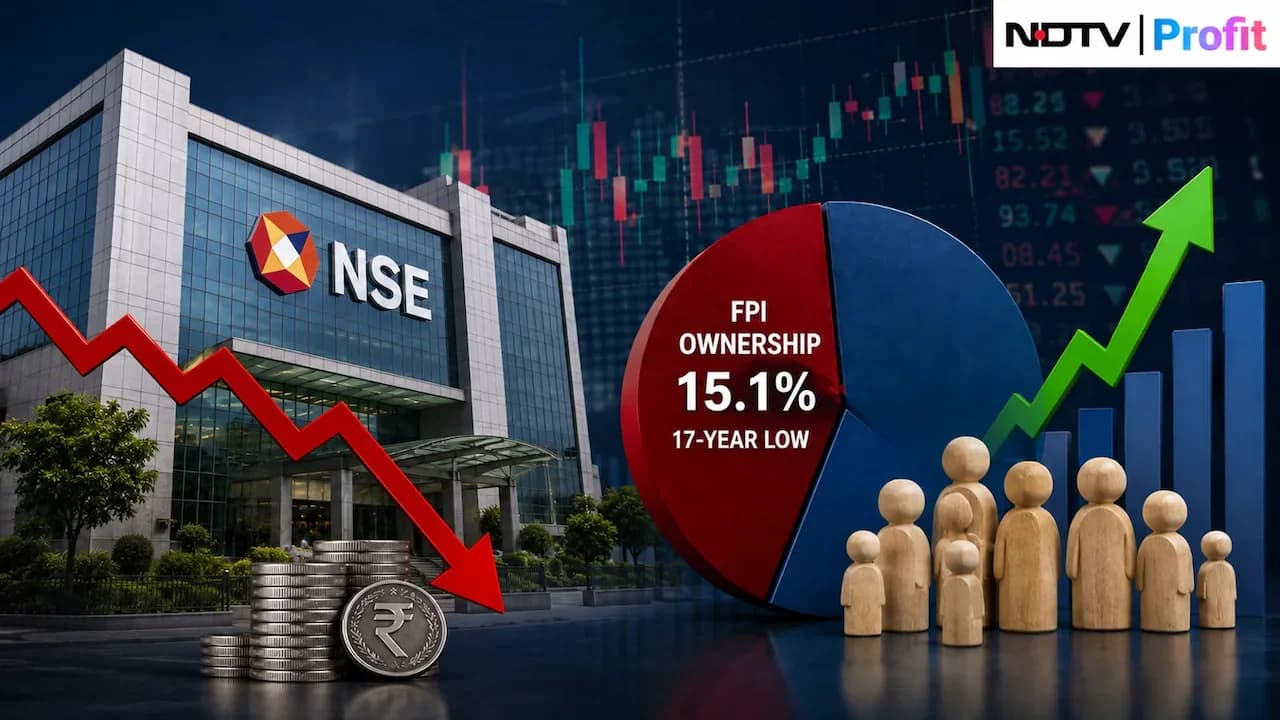
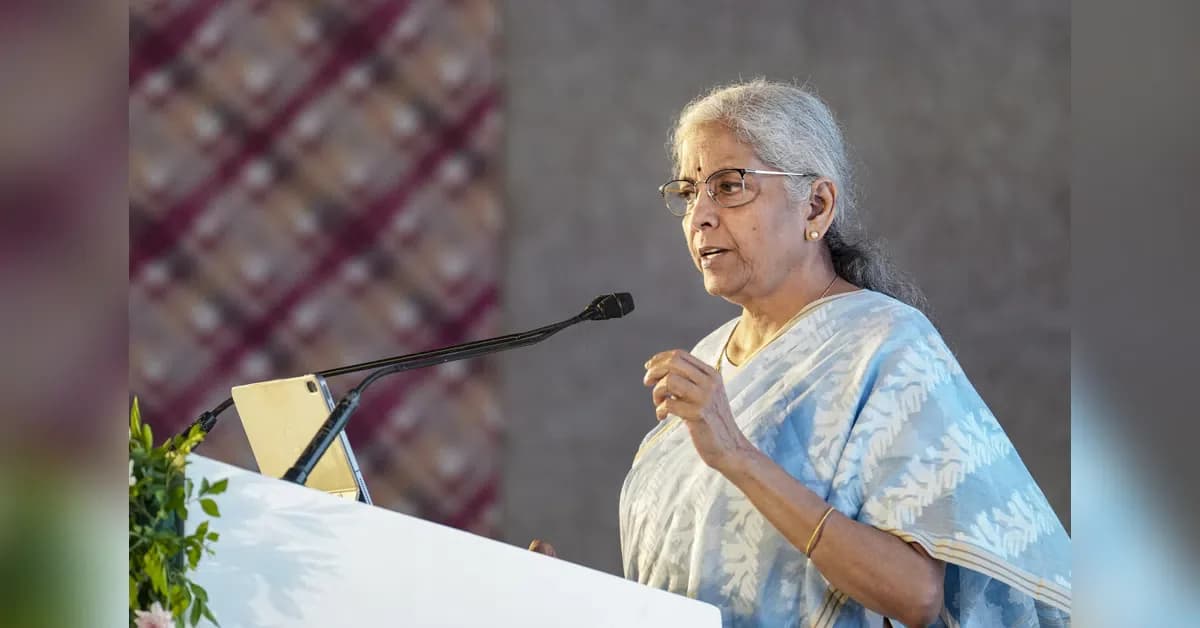
The Congress party has intensified its criticism of Finance Minister Nirmala Sitharaman for allegedly overlooking the decline in private investment while focusing on external challenges. According to reports from ANI, Congress leader Jairam Ramesh slammed the Centre's economic policies, accusing the Modi government of ignoring the 'fourth F' - falling rates of private investment after Sitharaman highlighted the '3Fs' of fuel, fertiliser, and forex as matters of concern. Ramesh's remarks came on Tuesday, May 26, 2026, following Sitharaman's comments at the 37th foundation day event of Sidbi where she stressed the need to focus on the '3Fs' - fuel, fertiliser and forex amid the West Asia crisis and rising global uncertainties. The finance minister stated that the crisis is borne by external events, while the domestic economy continues to be positive and resilient.
As reported by ANI, Ramesh highlighted significant declines in key investment metrics, noting that net FDI inflows have declined while private corporate investment as a percentage of GDP has fallen to nearly half of its pre-2014 peak. He pointed out that Indian businesses are increasingly seeking more predictable and profitable opportunities abroad, with Indian corporate personalities taking up residence abroad. The Congress leader argued that investment decisions are shaped not only by financial considerations but also by sentiment and confidence, with the lack of broad-based consumer demand growth disincentivising companies from investing. According to The Hindu, Ramesh emphasized that winning elections through large-scale manipulation of electoral rolls is different from recognizing economic challenges with humility and taking remedial actions.
According to Ramesh's statements reported by ANI, the overall atmosphere of threat, intimidation, and intrusiveness created by the Narendra Modi government serves as a psychological deterrent to investment. He alleged that the know-it-all attitude and approach of the current dispensation has created an unfavorable environment for business confidence. Ramesh emphasized that winning elections through large-scale manipulation of electoral rolls is different from recognizing economic challenges with humility and taking remedial actions, stating that recognizing what ails the economy with sobriety and taking appropriate measures is entirely another matter.
As reported by ANI, Sitharaman's comments came during the 37th foundation day event of Sidbi, where she stressed the need to focus on the '3Fs' - fuel, fertiliser and forex amid the West Asia crisis and rising global uncertainties. Speaking at the event, she hit out against naysayers who have built a cynical and pessimistic narrative after the prime minister's appeal. The finance minister linked the uncertainty to the ongoing West Asia crisis and stressed that fluctuations in global crude oil and fertiliser prices were placing pressure on India's external sector. She, however, maintained that India's domestic economy remained resilient, citing rising GST collections, growth in tractor and passenger vehicle sales and improved insurance premiums as indicators of economic strength. She also announced that the Centre had reduced excise duty on petrol and diesel by ₹10 per litre to shield citizens and businesses from rising global crude prices, despite a revenue impact of more than ₹1 lakh crore.
In a separate development, Ramesh questioned the Centre's fiscal position after the Reserve Bank of India announced a record dividend payout of ₹2.87 lakh crore to the government for the financial year ended March 2026. According to The Hindu, Ramesh claimed the dividend reflected underlying fiscal stress rather than financial strength, stating that "the Union government's finances are not as rosy as is being made out to be". He argued that the RBI's decision to lower its contingency risk buffer for 2025-26 had enabled a substantially larger transfer to the Centre, amounting to what he described as a "bonanza" of nearly ₹92,000 crore over what would otherwise have accrued. The RBI, however, said its Central Board had taken the decision after reviewing prevailing macroeconomic conditions, the bank's financial performance and the need to maintain appropriate risk buffers.