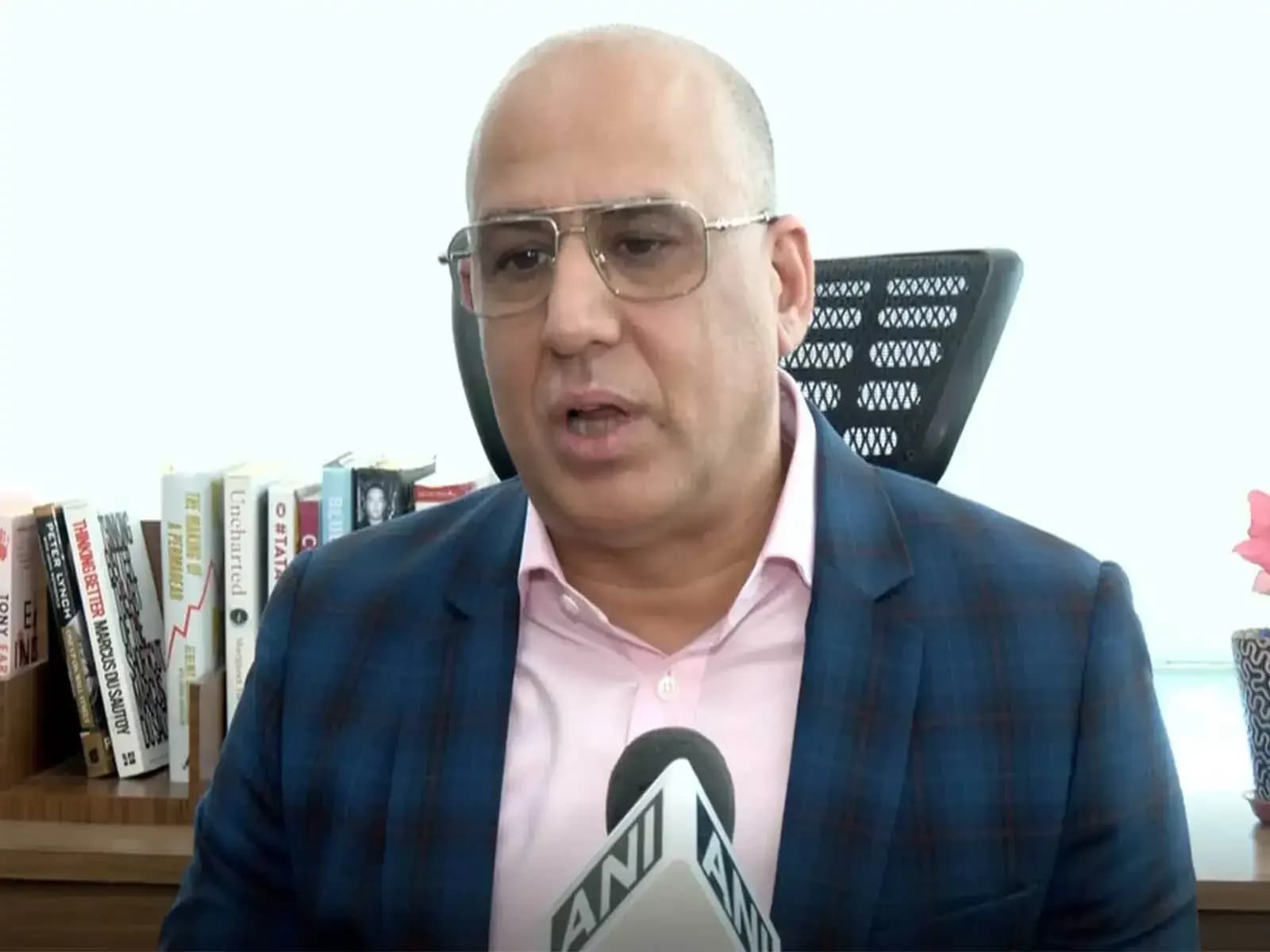
According to IIFL Group founder Nirmal Jain, a modest rate hike by the Reserve Bank of India need not derail India's growth story. As reported by IIFL, Jain noted that India has stronger buffers today—large reserves, a well-capitalized financial system and much deeper domestic institutional participation. He emphasized the need to distinguish short-term volatility from any fundamental derailment of India's growth trajectory. Jain cautioned that while a calibrated rate hike won't hurt, prolonged tightening could impact rate sensitives and raise the cost of funds for lenders.
According to IIFL's analysis, Q1 earnings have been encouraging with Nifty EPS growth accelerating to the low-to-mid teens, improving meaningfully over the previous two quarters. As reported by IIFL, after several quarters of downgrades, FY27 estimates have broadly stabilized, and FY28 has seen upgrades in several sectors. The improvement was driven by financials, metals and domestic investment-linked sectors. India's macro and earnings outlook remains constructive, subject to global macro and geopolitical conditions not deteriorating materially.
According to IIFL's assessment, sustained high global yields and crude would certainly challenge India through inflation, the current account, the rupee and capital flows. However, Jain noted that much of the current crude pressure is geopolitical and linked to Iran and the Strait of Hormuz. He suggested that if there is a durable settlement and normalization of traffic, crude could correct sharply, simultaneously reducing inflation, yields and rate-hike expectations. India would be a major beneficiary from such normalization.
As reported by IIFL, there is a risk of excesses in parts of the global AI trade, with Korea and Taiwan increasingly becoming proxies for the semiconductor and memory cycle. However, India's AI opportunity is not limited to manufacturing GPUs—we can become one of the world's largest users of AI across financial services, healthcare, manufacturing, education and government. Jain noted that if the AI hardware cycle corrects, India's relative attractiveness within emerging markets could improve, attracting flows. The perception that India is outside the AI trade should progressively fade.
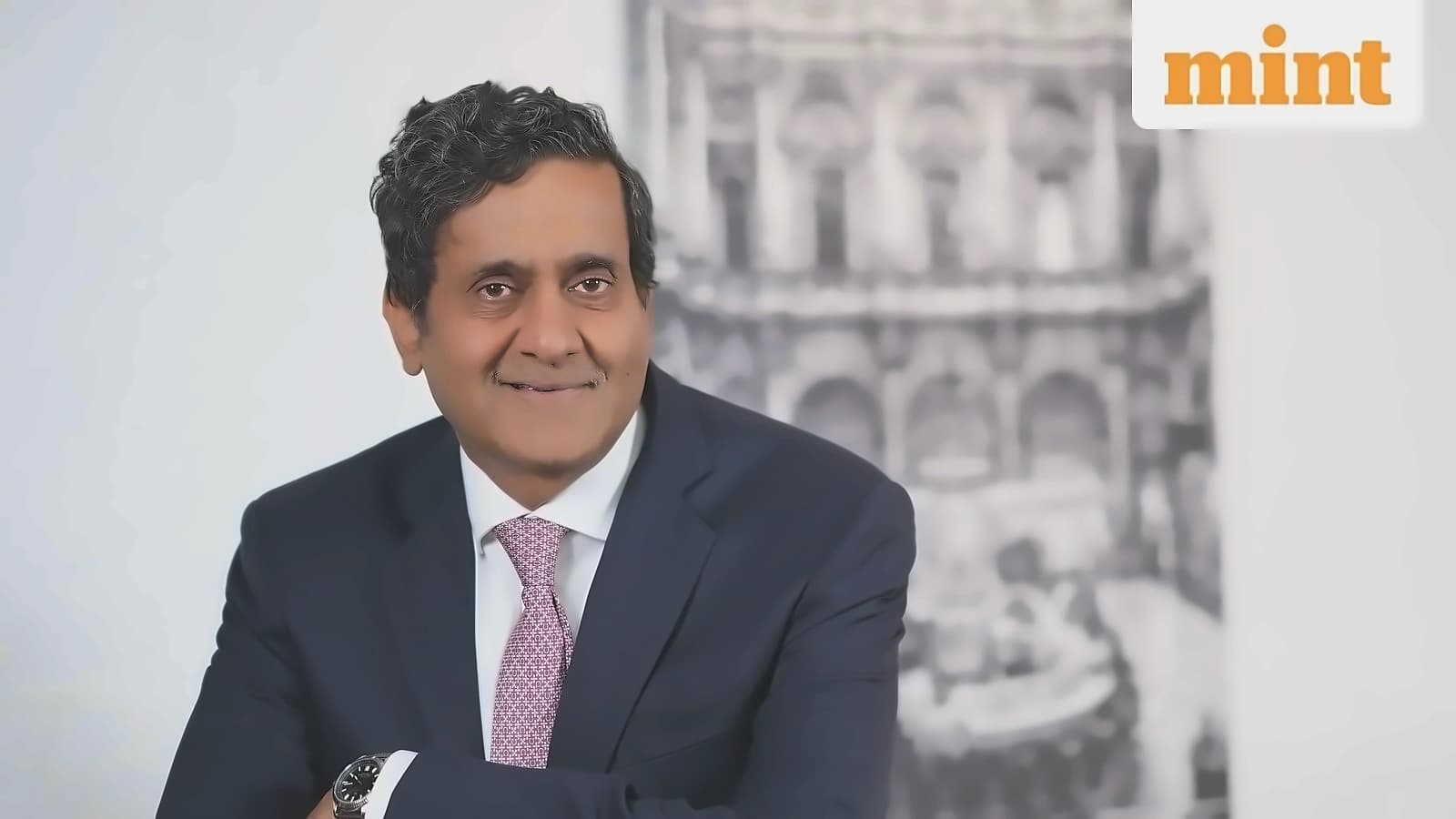
According to IIFL's analysis, the RBI is rightly vigilant, but much of the current inflation impulse is supply-driven. Jain emphasized that monetary policy is better at moderating excess demand than resolving an external supply constraint. While the RBI minutes indicate potential rate hikes as early as October, Jain noted that a modest hike need not derail growth, but a prolonged tightening cycle would affect leveraged and rate-sensitive businesses and raise lenders' funding costs. Strong FCNR(B) inflows provide an external buffer for the rupee and greater capacity to manage volatility from FPI outflows.