A consolidated view of market events, assembled from diverse sources.

Indian companies are projected to increase salaries by 9.1% in 2027, marginally higher than 2026's 9%, as employers balance talent retention with cost pressures amid rising attrition rates of 18%. The survey by Aon reveals that while salary budgets remain stable, attrition has increased to 18% from 16.2% in 2025, with NBFCs leading at 10.1% salary increases and AI-related roles commanding 10% premiums.
President Putin has ratified the India-Russia labor mobility pact, signed in December 2025, which will allow 70,000 Indian workers to enter Russia in 2026 to address the country's critical 2.3 million worker shortage. The agreement, approved by Russia's parliament in October, establishes formal frameworks for temporary employment and addresses growing demand for Indian specialists in Russia's construction, textile, and engineering sectors.


India's Labour Ministry is integrating APAAR, e-Shram, and National Career Service databases to bridge the skills gap between education and employment, while a NITI Aayog report reveals only 8% of secondary schools offer NSQF-aligned skilling. Experts emphasize that practical training should begin in Classes 8-9 and progress through Class 12, with employers demanding more certified trade workers and structured on-the-job exposure to address high youth unemployment.

Odisha Chief Minister Mohan Charan Majhi inaugurated 24 industrial facilities and laid foundation stones for 29 projects across 14 districts, targeting 42,512 jobs as part of the state's industrial expansion strategy. The state has inaugurated 151 projects worth ₹3.11 trillion in less than two years, with capital expenditure remaining sluggish at only 25.2% of the estimated ₹72,100 crore allocation for 2026-27.


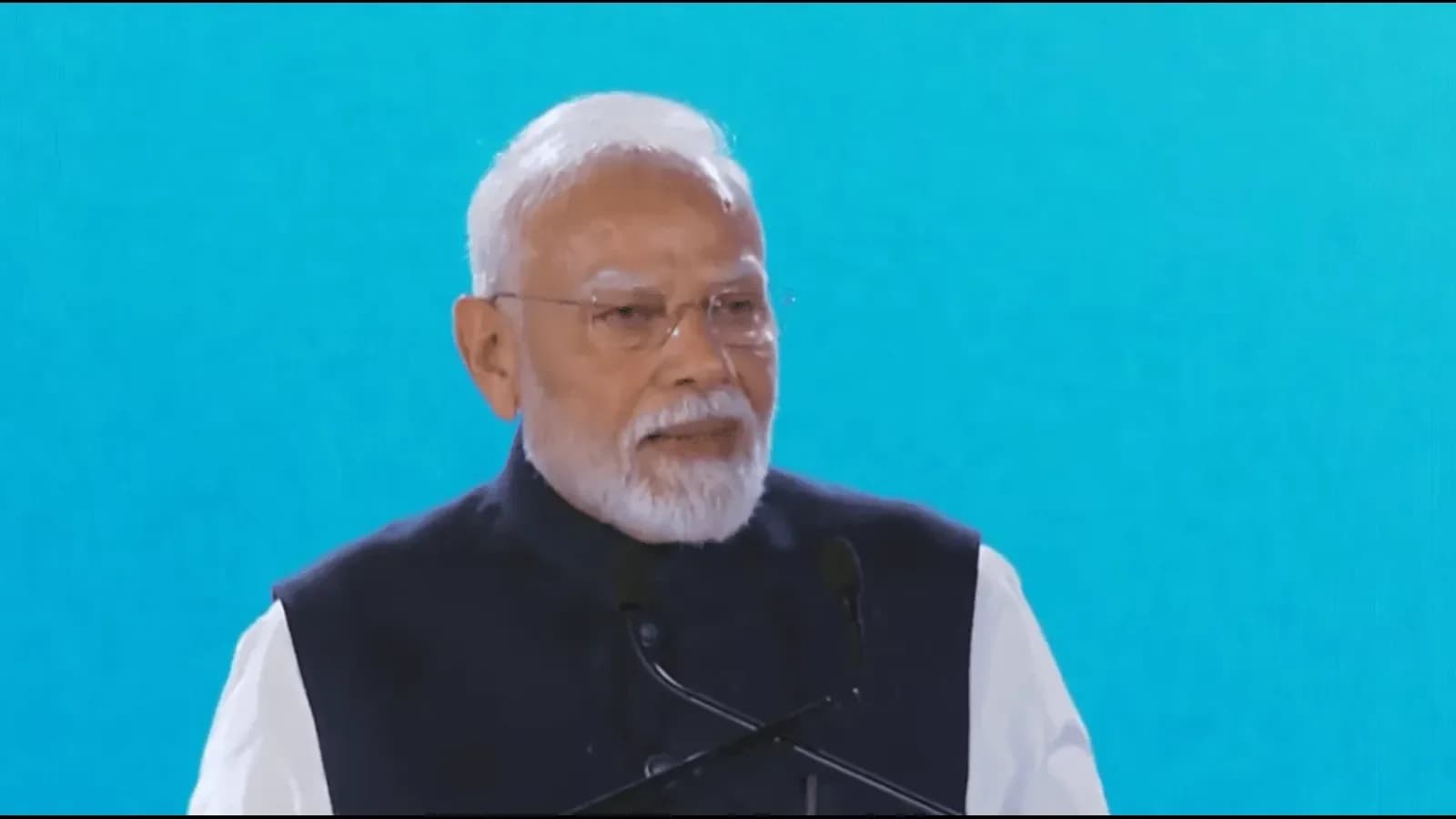
Prime Minister Narendra Modi addressed the Bloomberg New Economy Forum in New Delhi, emphasizing India's commitment to 'grow with the world, for the world' rather than at anyone's expense, while highlighting the country's economic resilience with 7.8% Q1 growth and foreign exchange reserves exceeding $700 billion. Modi positioned India as a reliable global partner amid geopolitical tensions, focusing on technology empowerment, digital democratization, and shared prosperity over control and competition.

The rupee appreciated 1.2% to 95.28 against the dollar over the past week following RBI's aggressive intervention measures, including direct dollar supply windows for oil marketing companies and higher cash reserve ratios. However, SBI Research warns that the recovery may be short-lived due to persistent foreign outflows of $26.8 billion in 2026, rising crude oil prices near $105 per barrel, and elevated inflation at 5.54% in September.

The World Bank projects India's poverty rate at the $4.2-a-day threshold will decline from 14.2% in 2026 to 12.1% by 2028, though the pace of reduction is expected to moderate despite ongoing gains in employment and social transfers. While extreme poverty has fallen dramatically from 27.1% in 2011 to 2.6% in 2023, the World Bank warns that sustainable poverty reduction depends on creating quality jobs rather than relying solely on consumption growth and cash transfers.

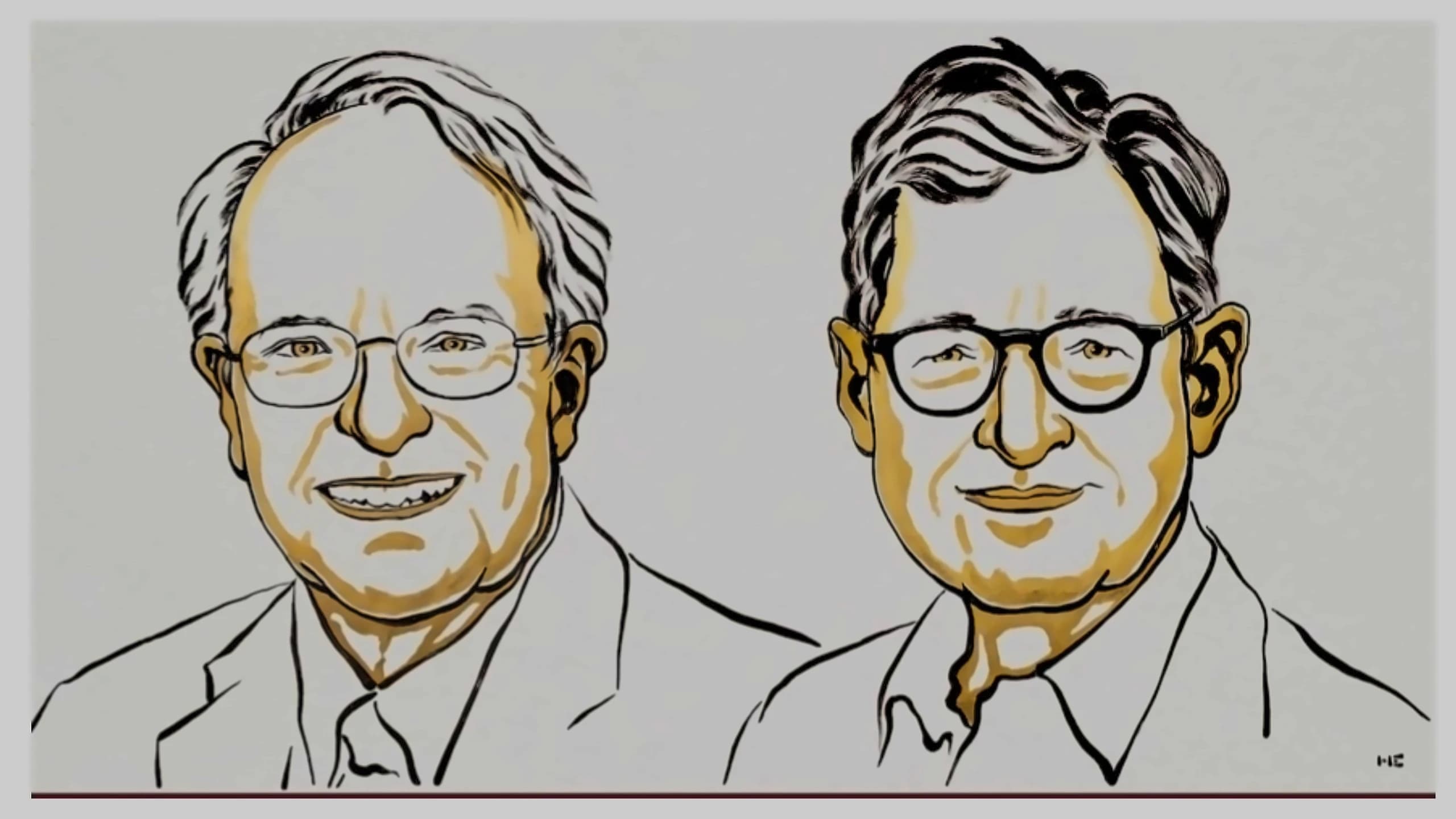
The 2026 Nobel Prize in Economics has been awarded to Robert E Hall and Michael Woodford for their groundbreaking research that transformed economic policymaking through microfoundational models. Their work, which emerged during the 1970s oil crisis and challenged traditional Keynesian models, has fundamentally changed how central banks and governments respond to economic shocks by focusing on household and business decision-making rather than macroeconomic aggregates.

RBI researchers Purnima Shaw and R K Sinha have successfully estimated state-wise urban inflation for April and May 2020 and 2021 using household survey data when official price collection was disrupted by Covid-19 restrictions. Their methodology, based on household inflation perceptions and expectations, produced estimates that closely tracked official all-India CPI inflation with differences ranging from 14 to 22 basis points across the four months.

The Reserve Bank of India's 29-day variable rate reverse repo auction on October 8 attracted only ₹79,655 crore in bids against a ₹2 trillion notified amount, with banks preferring shorter-term liquidity absorption despite a ₹3.88 lakh crore surplus in the banking system. The weak response contrasted sharply with previous auctions, reflecting banks' reluctance to commit funds for longer periods amid current liquidity conditions.