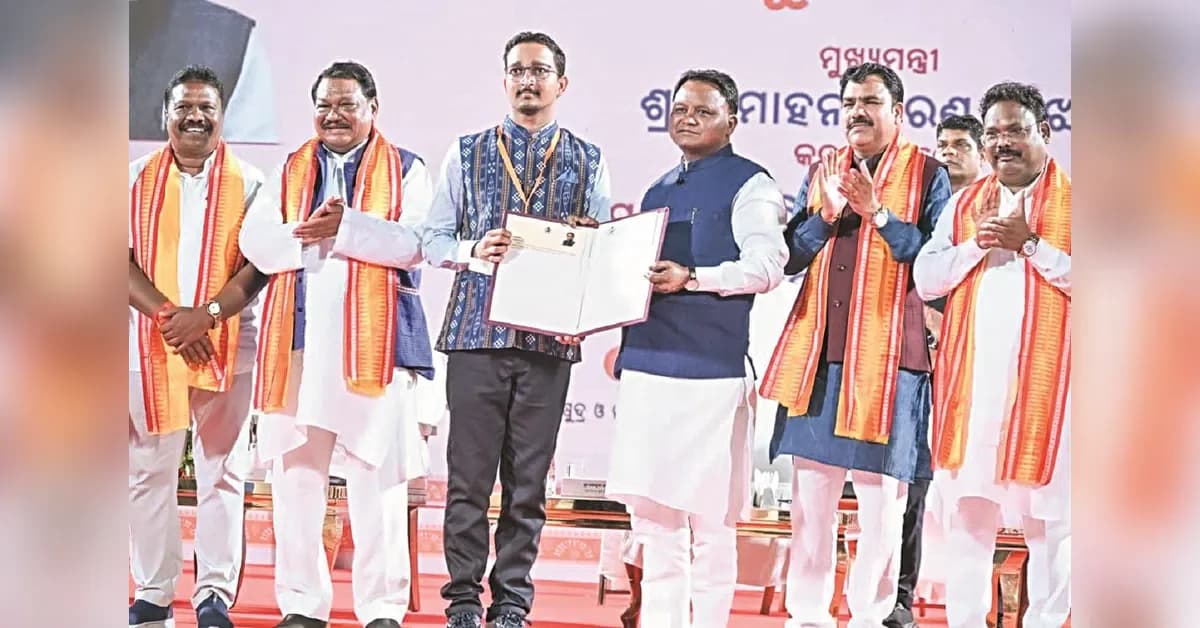
Chief Minister Mohan Charan Majhi inaugurated 24 facilities and laid foundation stones for 29 projects across 14 districts, with an estimated employment potential of 42,512 jobs. At a mega groundbreaking ceremony in Kalinganagar, the state's flagship industrial hub in Jajpur district, the CM emphasized shifting from investment commitments to actual production outcomes. As per Business Standard, Majhi stated the government was moving 'from signing MoUs to grounding projects, from intent to investment and from investment to production', stressing that industrial development must be measured by its contribution to people's lives rather than investment proposals alone.
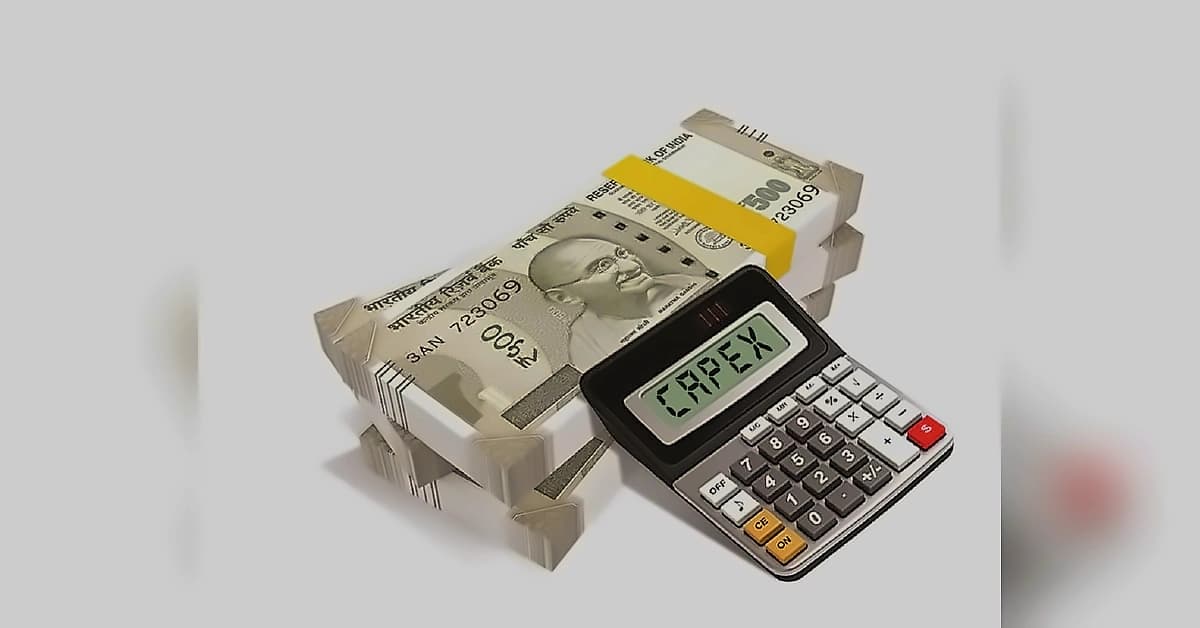
Odisha's capital expenditure remained sluggish with only ₹18,183 crore spent during the first six months against the estimated capital outlay of ₹72,100 crore for 2026-27. According to data presented by the Finance department, this represents only 25.2% of the annual allocation, highlighting a persistent gap between budgetary ambitions and actual spending. The state's overall expenditure reached ₹94,463 crore up to September, excluding debt servicing and disaster management, against the total budget of ₹3.1 trillion for FY27. The central government's push for faster capex loan utilization comes as states face pressure to meet spending targets amid concerns that delays in deploying funds could hold back state-level capital expenditure.
In less than two years, 151 projects worth around ₹3.11 trillion have been inaugurated or taken up for groundbreaking, with 116 projects involving around ₹2.45 trillion reaching the groundbreaking stage. As per Business Standard, 35 projects worth ₹66,873 crore have been inaugurated, demonstrating significant progress in industrial development. The projects cover diverse sectors including steel and downstream manufacturing, ferro alloys, chemicals and petrochemicals, industrial gases, textiles and apparel, food and agro-processing, biofuels, renewable energy equipment, electronics, IT services, tourism and logistics. Major industrial groups participating include Jindal Stainless Ltd, Tata Steel Ltd, Indian Metals and Ferro Alloys Ltd (IMFA), Linde India Ltd, and Reliance Bio Energy Ltd.

The industrial expansion targets 42,512 employment opportunities across multiple sectors, with the CM emphasizing the need to diversify beyond traditional strengths in minerals, metals and steel. According to Business Standard, investments in textiles, apparel, electronics, food processing, renewable energy, IT services, tourism and logistics will help broaden the economic base and create employment across wider skill levels. Hemant Sharma, additional chief secretary of the industries department, noted that projects of 46 industries involving an investment of around ₹46,000 crore have been either inaugurated or progressed to the groundbreaking stage in the last 460 days, with the state facilitating one project every 10 days and receiving investments of ₹100 crore every day.
According to the CAG report on state finances, Odisha underspent its capital outlay and overall budget by an average of 17% and 20% respectively between 2020-21 and 2024-25. The state's total budget increased by 71.64%, from ₹1,67,663 crore in 2020-21 to ₹2,87,770 crore in 2024-25. The CAG audit flagged ₹2,36,868.57 crore remaining unspent or surrendered over five financial years. Industries, Skill Development and Technical Education Minister Sampad Chandra Swain emphasized that Odisha is entering a phase where emphasis is on implementation and converting economic growth into prosperity for people, with the government working to strengthen skill development and technical education to meet future industrial demands.