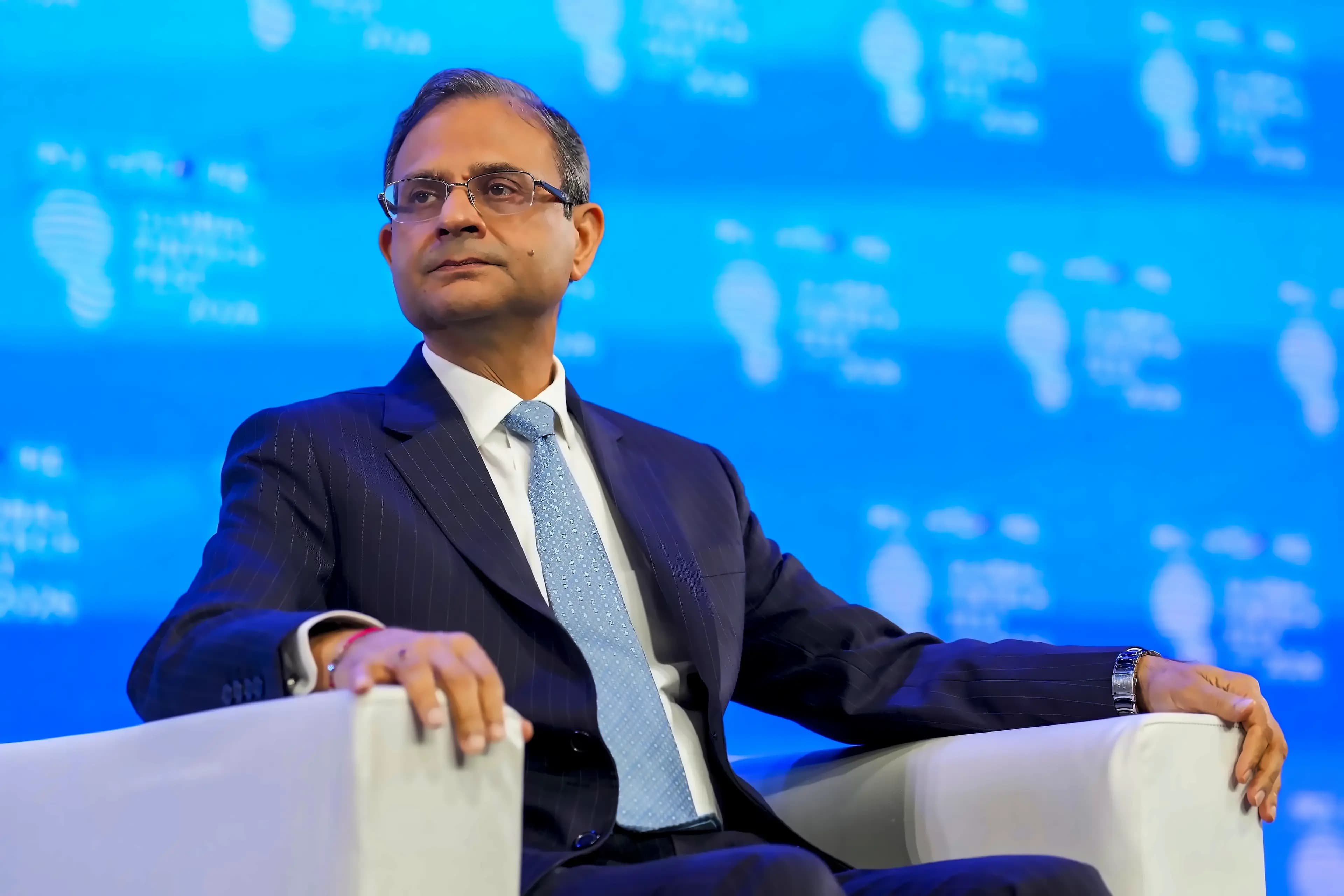
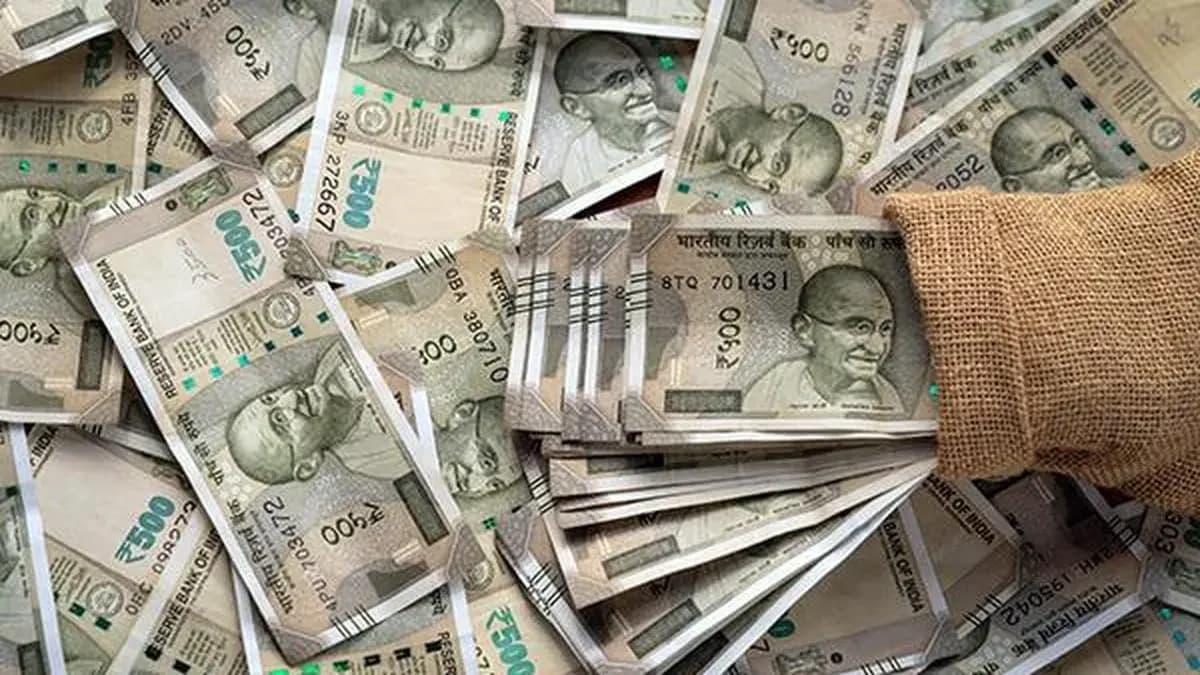
RBI Governor Sanjay Malhotra has declared that the Indian rupee is 'not overvalued' and can even be considered undervalued, according to reports from The Hindu Businessline. In a recent interview, Malhotra attributed the rupee's recent weakness to global factors including geopolitical tensions, a stronger US dollar, and volatility across emerging markets, rather than any fundamental weakness in India's economy. This represents a significant departure from traditional RBI policy, as serving governors typically avoid publicly assigning fair value to the currency during periods of market volatility. The Governor noted that 'one could argue that the rupee has become undervalued... Once the situation in West Asia stabilises, one could very well see the rupee appreciate as one has seen during similar past periods and episodes of external shock-driven volatility'. The rupee's sharp depreciation over the last one-and-a-half years has made it a currency that is more undervalued than even the yuan, with the currency hitting an all-time-low of ₹96.96-to-the-dollar on May 20, 2026, and breaching the 96-to-the-dollar mark afresh on July 14 before stabilizing around ₹95.9. The most rigorous measure of whether any currency is over- or undervalued is not the bilateral exchange rate but its Nominal Effective Exchange Rate (NEER) and Real Effective Exchange Rate (REER), which capture the rupee's movement against a weighted basket of currencies of India's major trade partners.
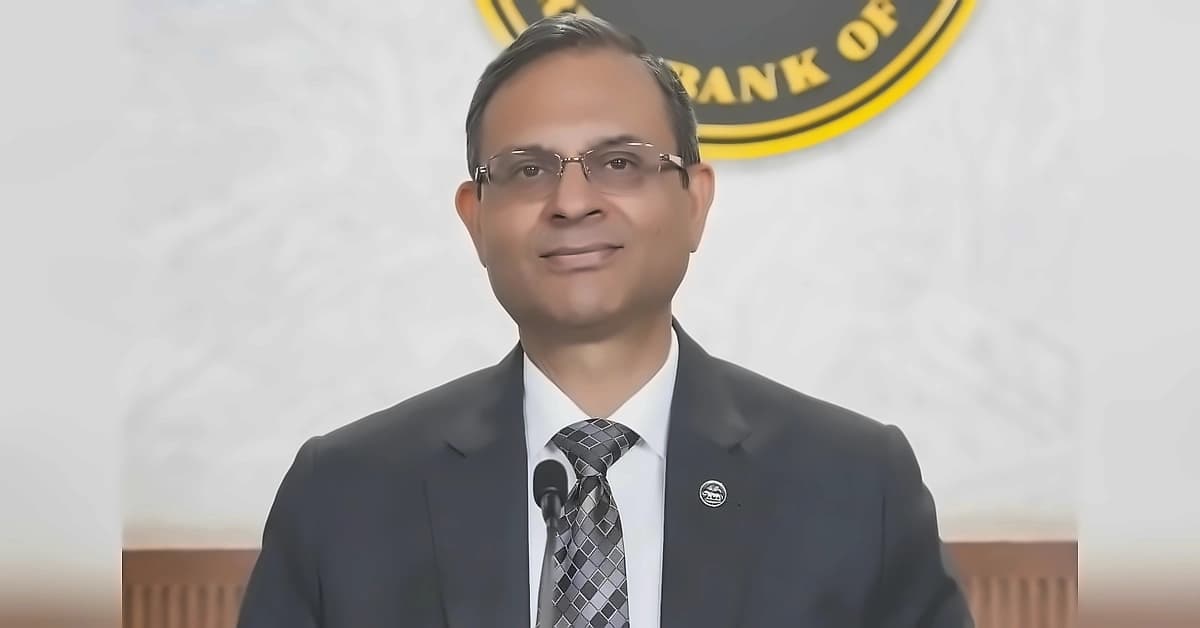
An undervalued rupee can enhance India's export competitiveness by making Indian goods and services cheaper for overseas buyers, as reported by The Hindu Businessline. This currency weakness particularly benefits sectors that earn in foreign currencies, including information technology and other export-oriented industries. However, the weaker rupee also increases the cost of imports such as crude oil, electronics, machinery and fertilisers, which may contribute to inflation if the trend continues. The imported-inflation risk is central to the RBI's policy calculations, potentially limiting the Monetary Policy Committee's ability to support economic growth through lower interest rates. Recent data shows the rupee's Real Effective Exchange Rate (REER) at 91.26, translating into a significant 8.7% 'real' weakening of the currency's exchange rate, supporting the Governor's undervalued assessment. The Real Broad Effective Exchange Rate (RBEER) by the Federal Reserve Bank of St. Louis declined from an all-time-high of 106.1 in November 2024 to 90.15 in June 2026, making the rupee more competitive than the yuan's 92.24 RBEER.
The rupee's valuation is measured through two critical indices: NEER (Nominal Effective Exchange Rate) and REER (Real Effective Exchange Rate), as explained by Explained News. The NEER tracks nominal external value against a basket of 40 currencies covering ~88% of India's trade without inflation adjustment, while REER adjusts NEER for inflation differentials between India and its trading partners, making it the true measure of competitiveness. The NEER plunged to a record low of 77.19 by late July 2026, while the REER fell to 89.08 by May 2026, representing a significant shift from overvaluation to undervaluation. Historical data shows the rupee was over 8% overvalued in real terms in November 2024 when the NEER was 91.68 and REER was 108.03, but by May 2026, the REER had declined to 89.08 indicating the currency's transition to undervaluation. The Real Broad Effective Exchange Rate (RBEER) for the rupee declined from 106.1 in November 2024 to 90.15 in June 2026, with the yuan's RBEER at 92.24, making the rupee more competitive against global trade partners.
The rupee's sharp depreciation over the last one-and-a-half years has made it a currency that is more undervalued than even the yuan, according to Explained News. The currency hit an all-time-low of ₹96.96-to-the-dollar on May 20, 2026, and breached the 96-to-the-dollar mark afresh on July 14 before stabilizing around ₹95.9. Brent crude prices surged past $95 on July 23 before easing to below ₹85 per barrel, contributing to the currency volatility. The Nominal Effective Exchange Rate (NEER) plunged to a record low of 77.19, while the Real Effective Exchange Rate (REER) fell to 89.08 in May 2026. The Real Broad Effective Exchange Rate (RBEER) by the Federal Reserve Bank of St. Louis declined from an all-time-high of 106.1 in November 2024 to 90.15 in June 2026, making the rupee more competitive than the yuan's 92.24 RBEER. The rupee's transition from overvaluation to undervaluation presents both opportunities and risks for the Indian economy, with the currency's structural reversal from its long-held overvalued status marking a significant shift in India's external competitiveness.
The rupee's undervaluation has provided India with a significant gain in international trade competitiveness, as reported by Explained News. The Real Effective Exchange Rate (REER) of 91.26 still translates into a substantial 8.7% 'real' weakening of the rupee's exchange rate, supporting the Governor's assessment that the currency is 'more undervalued than even the yuan'. The Real Broad Effective Exchange Rate (RBEER) for the rupee declined from 106.1 in November 2024 to 90.15 in June 2026, with the yuan's RBEER at 92.24, making the rupee more competitive against global trade partners. Whether this currency advantage will translate into boosted Indian exports and enhanced competitiveness of domestic manufacturing vis-à-vis imports remains to be seen, depending on sustained geopolitical stability and no new energy supply shocks. An undervalued/fairly-valued rupee boosts export competitiveness and can appreciate once external shocks (oil, West Asia) stabilise.