According to a report by DSP Mutual Fund, betting against the rupee at current levels represents a low-probability trade, with the currency's Real Effective Exchange Rate at 89.7 at the end of April 2026 and estimated to have slipped below 88 when USD-INR breached 96.9 on May 20, 2026. As reported by DSP Mutual Fund, this represents the most competitive the currency has been outside of the 2013 twin deficit crisis and the 2008 Global Financial Crisis. The report emphasizes that on a trade-weighted basis, the rupee is fundamentally undervalued, creating a strong margin of safety for investors. DSP Mutual Fund now suggests that data now favours allocating toward rupee-denominated assets across both equities and bonds, given the current favorable conditions. Former MPC member Ashima Goyal has reinforced this view, stating at a debt market conference that the rupee is highly undervalued in REER terms and should appreciate from current levels. According to the 40-Currency REER basket, the rupee's rate was at 90.96 as of April 2026, its lowest since 2014. Goyal noted that "Whenever the rupee is this undervalued, we have seen the currency appreciate in the following year."

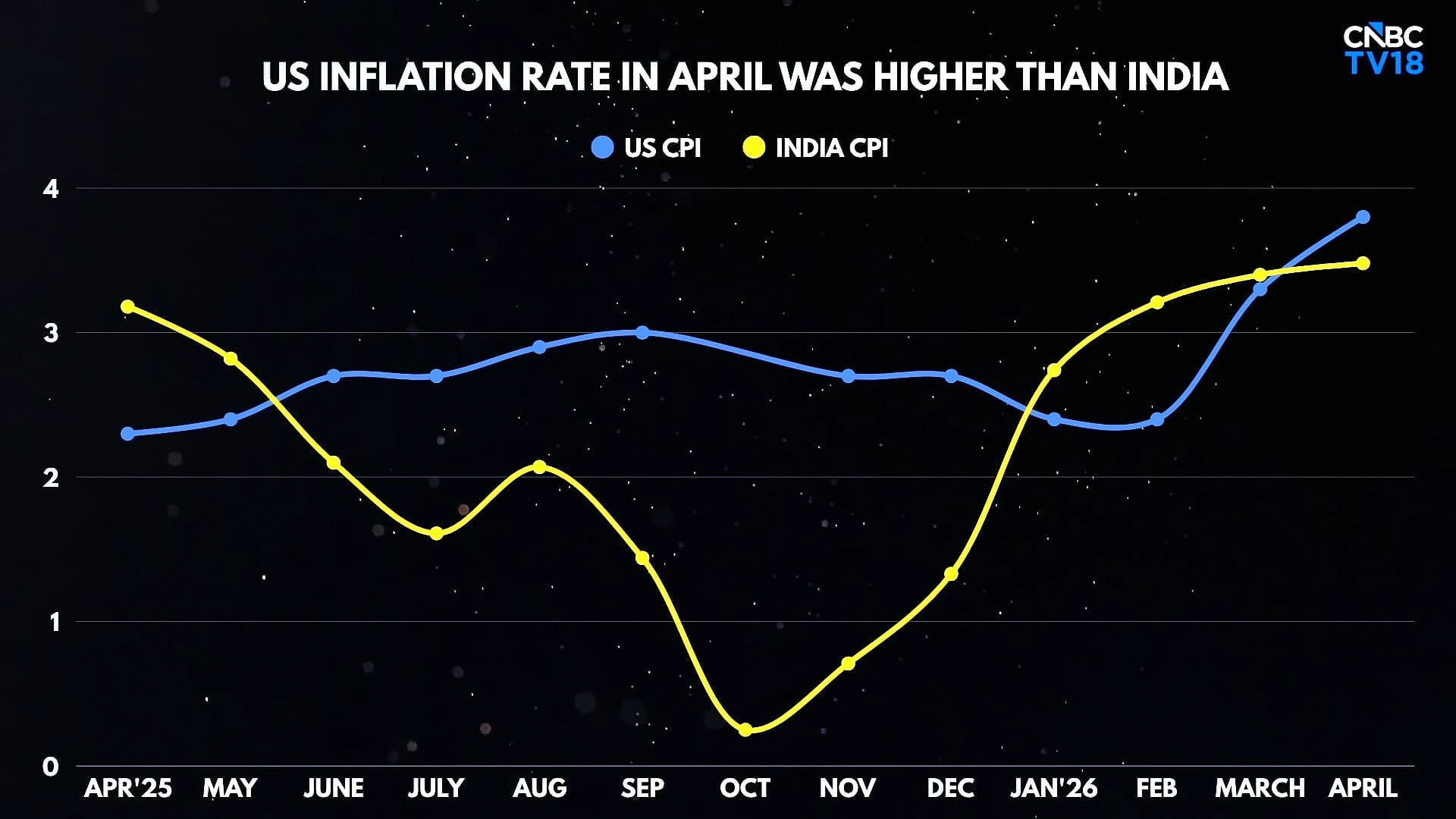
India's inflation differential with the US has compressed to historically narrow levels, with the spread averaging 3.5% to 4% historically, but now in the 1% to 2% range when comparing India's core CPI with US core PCE. According to DSP Mutual Fund's analysis, over the last 12 months, US CPI averaged 2.8% while India's CPI averaged 2.3%, representing a 50 basis points gap favoring India. The report indicates that this structurally narrower inflation differential implies the long-term depreciation rate of the rupee will decelerate, not quicken. DSP Mutual Fund notes that currencies, interest rates, and flows are inherently cyclical, making betting against the rupee at these depressed REER levels and tight inflation differentials a low-probability trade.
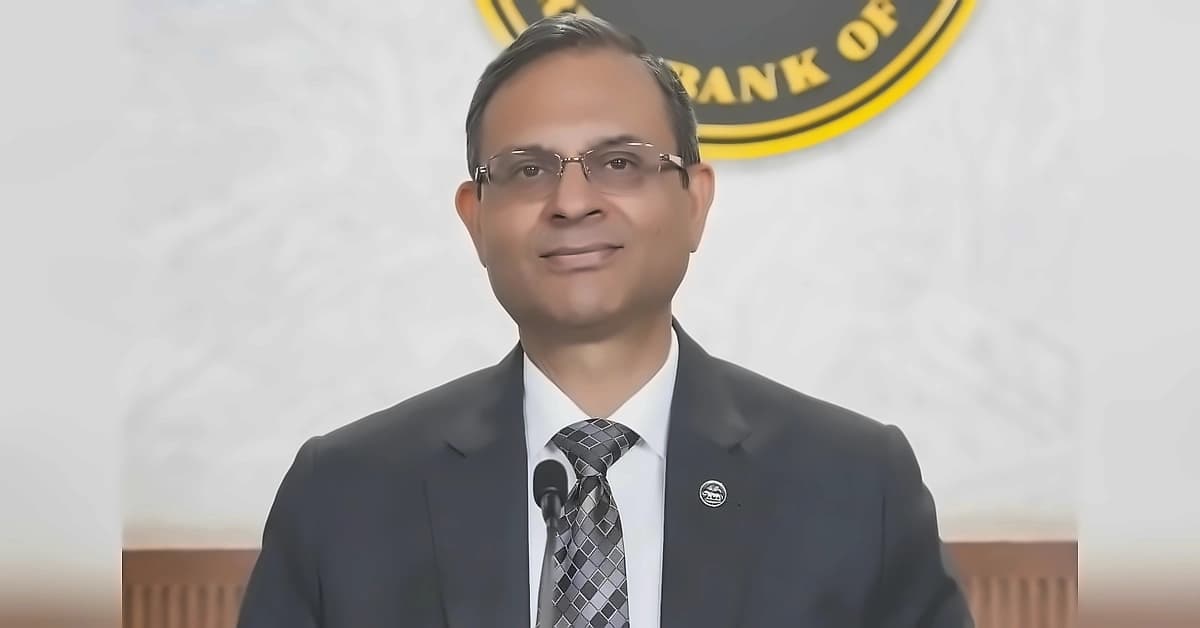
The rupee has experienced significant depreciation, deprecating nearly 11% in FY26 and weakening nearly 3% in FY27 so far. However, this follows a period of relative stability, with the currency having appreciated 1.3% in FY25 after a 10.8% decline in FY24. Reserve Bank Governor Sanjay Malhotra has acknowledged these trends, stating that "With the recent depreciation, it would be reasonable to think that the rupee is not overvalued. If anything, one could argue that the rupee has become undervalued." Goyal also suggested that market participants should take a more nuanced view of the decline in India's foreign exchange reserves, indicating that the current weakness may not reflect underlying fundamentals as strongly as market sentiment suggests.
Balance of Payments concerns are primarily driven by expectations of crude oil permanently resetting above $120 per barrel, rather than realized external stress. As reported by DSP Mutual Fund, unless oil anchors at elevated levels for more than 12 months, India should avoid severe distress similar to 2011-2013. The country maintains significant structural buffers, with services exports running at over $418 billion annually and the latest run-rate closer to $447 billion annualized. With a services surplus of about $214 billion and inward remittances above $135 billion, India has a net invisible shield of roughly $349 billion. According to DSP Mutual Fund, that alone neutralises the FY26 merchandise trade deficit of about $333 billion, before primary income outflows. At $120 crude, the import bill would be roughly $215 to $220 billion, and the current account deficit could move toward 2.5% to 3% of GDP. However, Brent is around $106 per barrel and has touched $120 only briefly.
Despite headline market valuations appearing elevated, DSP Mutual Fund argues that large-cap Indian equities have quietly become more attractive. The note states that muted FPI and FDI flows were partly a consequence of historically expensive Indian equity valuations, but several heavyweight large-cap companies are now trading below long-term average valuation multiples. According to DSP Mutual Fund, select equity segments are currently available below 15 times forward earnings, with some valuations approaching levels last seen during the COVID-19 crash or the Global Financial Crisis. The fund house believes these valuation levels could help place a floor under further FPI selling, especially because the underlying quality of Indian businesses remains strong. DSP Mutual Fund notes that "Generating Return on Equity (ROE) upwards of 18% to 20% is a rarity in emerging markets, yet top-tier Indian businesses continue to deliver it."