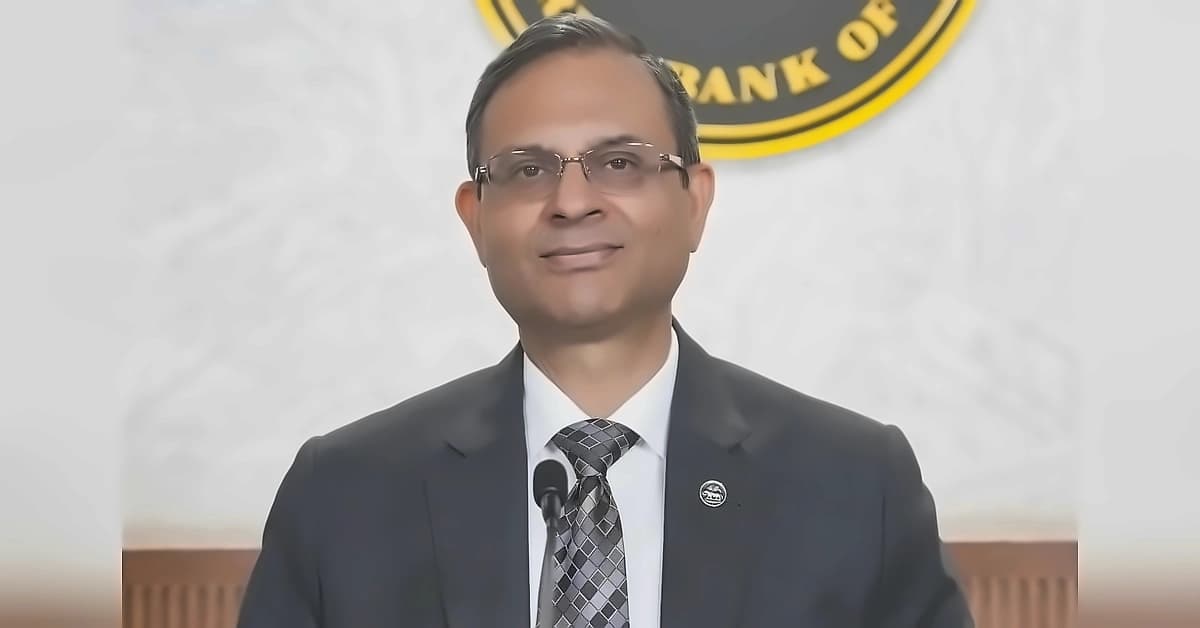
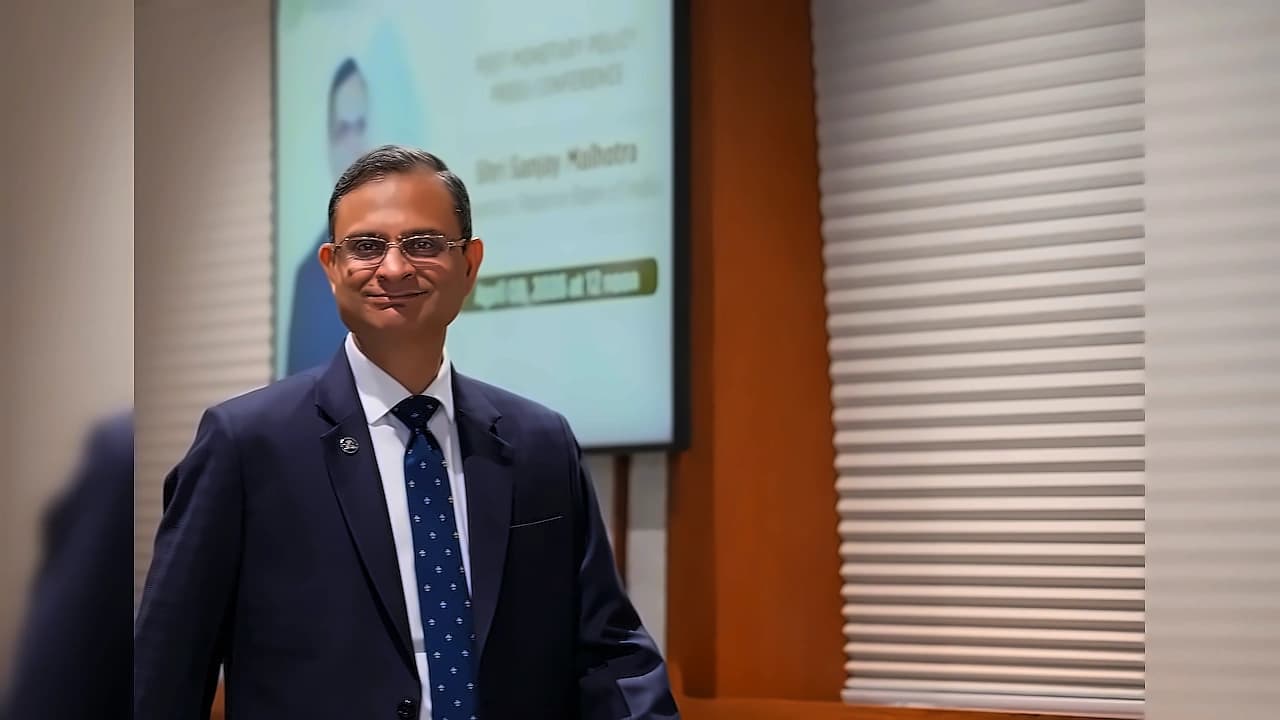
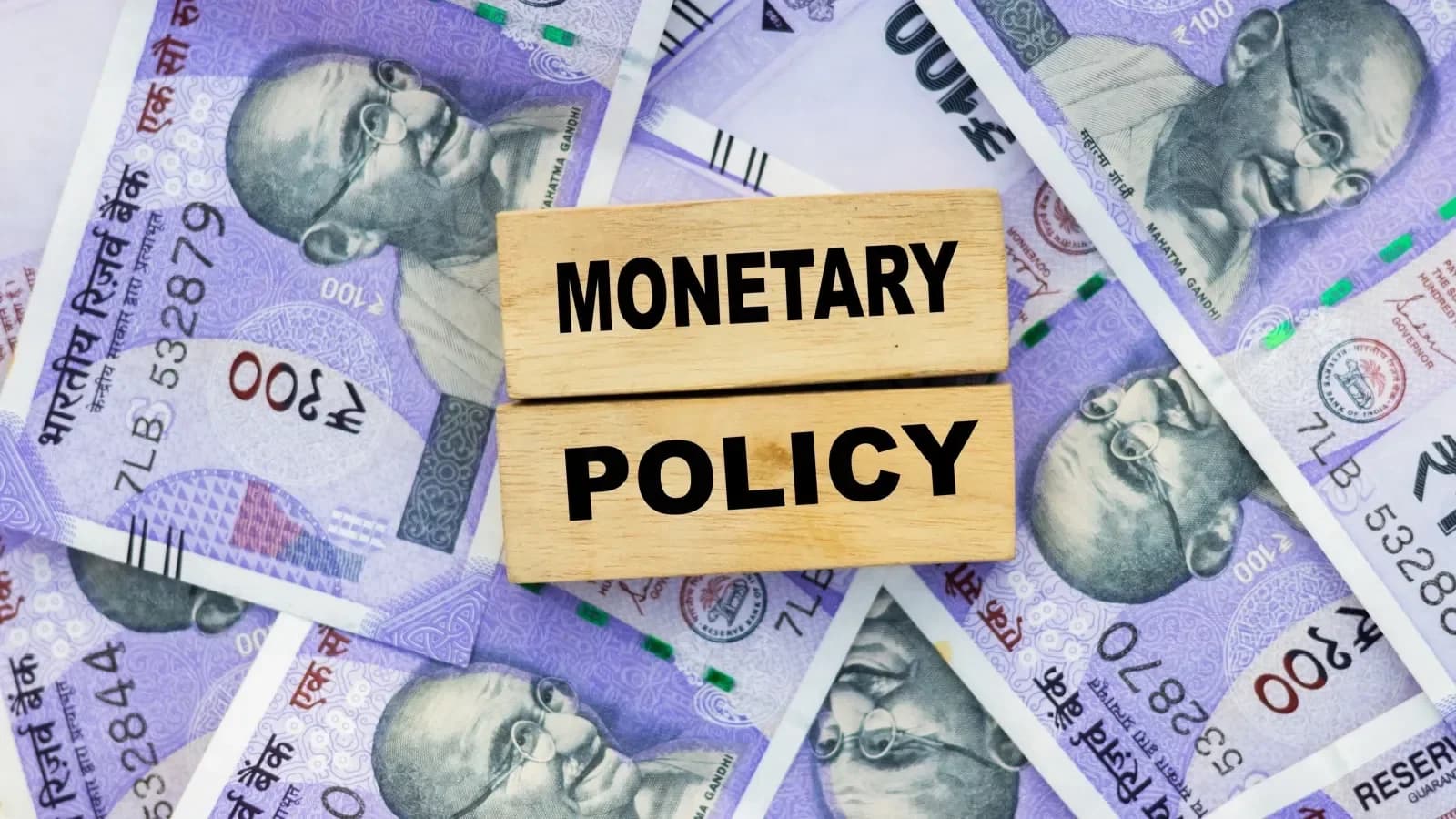
RBI Governor Sanjay Malhotra confirmed that the rupee is undervalued according to multiple estimates, including the real effective exchange rate, and the central bank will intervene to ensure orderly movement in the currency market. As reported by The Times of India, Malhotra stated at a press conference after the MPC meeting that "By a number of estimates, including the real effective exchange rate, the rupee is not overvalued. It may be undervalued." The governor emphasized that "Markets can be quite irrational in the short run. It's only in the long run that they are able to find the right value." He noted that the rupee closed at 96.78 on Wednesday, down 36 paise from its previous close, after falling to a five-month low of 96.85 during the day. Malhotra clarified that the RBI would support the rupee's orderly movement and help it find its "correct value," while ensuring there was no excessive volatility.
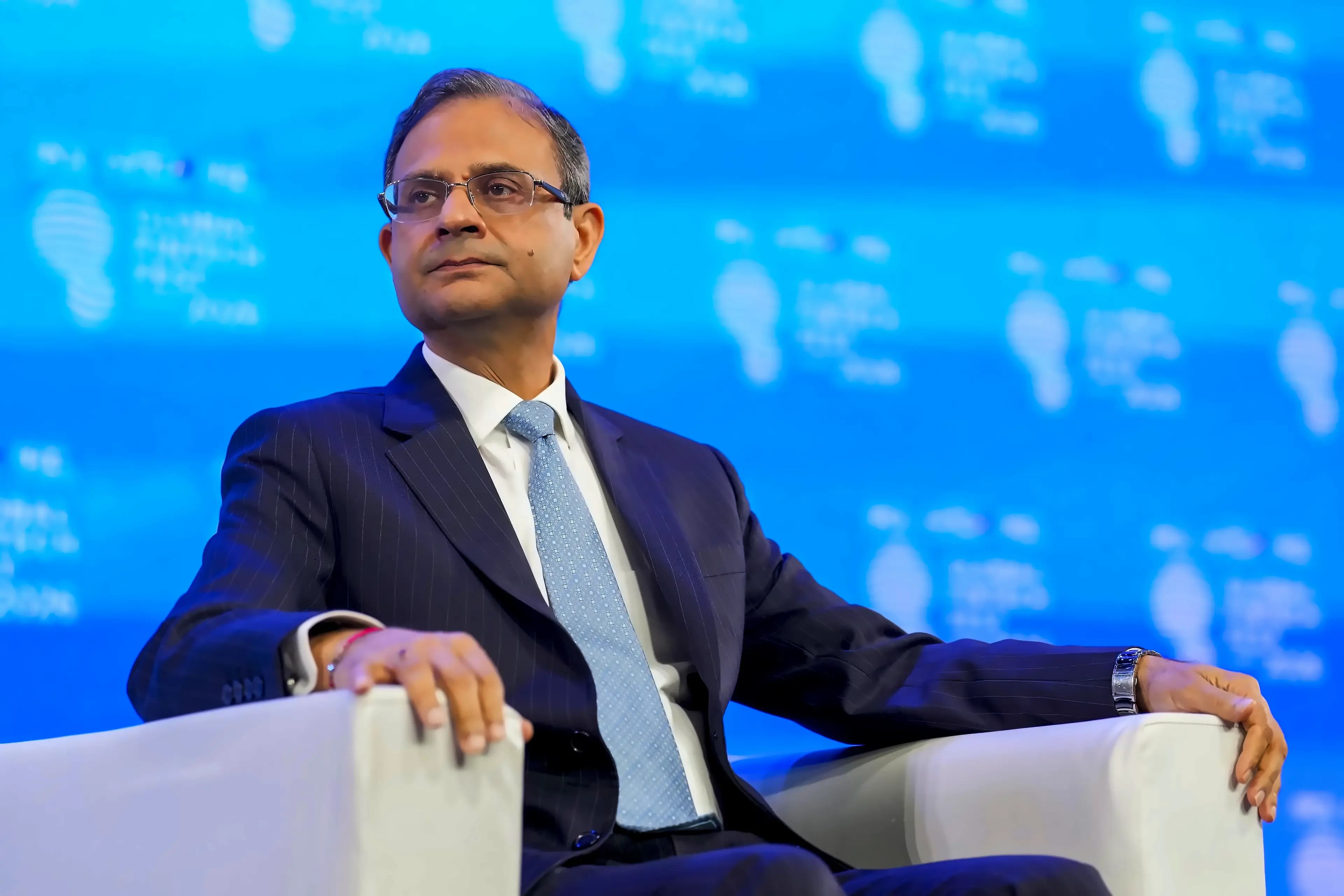
RBI Governor Sanjay Malhotra warned that failure to conclude the India-US bilateral trade deal could have negative implications for the Indian economy, though he emphasized that diversified trade agreements could help mitigate the impact. As reported by The Times of India, Malhotra stated that US tariffs and the absence of a trade deal would be a negative but could be offset by a trade deal with other countries. He noted that India has concluded or implemented a series of trade agreements in recent months, which could help diversify its export markets. Malhotra explained that "At the same time, we have had a number of trade agreements now in the recent past. Many of them, some of them have been officialised, others are in the pipeline. They will help the industry at the same time help diversify its exports."
The Reserve Bank of India's Monetary Policy Committee maintained the repo rate at 5.5% with a shift towards tighter monetary policy, changing its stance from 'neutral' to 'calibrated tightening'. As reported by Business Standard, RBI Governor Sanjay Malhotra clarified that "We have clarified by changing the stance that there is no rate cut in the near term. What we are contemplating is either a pause or a rate hike." The central bank's decision comes as the average inflation rate over the next three quarters has been projected at 5.8 per cent, with the MPC focusing on bringing headline inflation down to the 4 per cent target given by the government. Malhotra noted that "When a lot of the increase in headline inflation is because of one base effect and other supply-side factors, the headline rate alone may not be the right measure." The RBI continues to monitor core and diffusion indices to assess underlying inflation trends.
RBI Governor Sanjay Malhotra highlighted that while Indian share markets have adjusted downward from recent highs, the pullback has remained controlled and smooth. As reported by The Times of India, Malhotra said that a correction in the valuation of global AI stocks could redirect foreign capital to emerging markets such as India. He noted that a correction in AI stocks would not have a major negative impact on India and "if at all, there may be" a positive impact. The RBI Governor emphasized that "The AI investment cycle has been a major support for global markets," but warned that any slowdown in AI investment or earnings could "trigger a sharp repricing of financial assets, especially in the AI value chain." He emphasized that "As for corrections in AI-related valuations, if they were to happen in advanced countries... it may have a positive impact in terms of capital inflows."
Despite a robust services trade surplus and strong net remittance receipts, the current account deficit widened in July because of a higher merchandise trade deficit, according to RBI Governor Sanjay Malhotra as reported by The Times of India. This development highlights the complex nature of India's external sector performance, where strong services and remittance inflows are being offset by increased merchandise trade deficits. The widening current account deficit represents a concerning trend for India's external sector resilience, particularly given the ongoing global trade uncertainties and potential impact of tariff policies on merchandise trade.
RBI Governor Sanjay Malhotra said the central bank sees no asset-quality concerns for NBFCs despite high liquidity conditions in the banking system. As reported by Business Standard, Malhotra stated at the post-Monetary Policy Committee press conference that "We don't see any issue regarding asset quality for NBFCs amid high liquidity conditions in the banking system." He noted that NBFC growth has remained robust, with bank credit to NBFCs growing by about 37 per cent, while NBFC credit growth itself has also been strong, although it remains lower than that of banks. Malhotra added that "With regard to NBFCs, we are always alert to risks getting developed, not only from an asset quality point of view, but also on demand and price pressures getting built. So we are conscious of such risks." The RBI has also clarified that revolving credit is being given in the form of term loans through software technology, with final guidelines to be issued soon while considering systemic risks.
RBI Governor Sanjay Malhotra said bank credit growth is expected to remain strong despite the RBI's latest rate hike and shift towards tighter monetary policy. As reported by Business Standard, Malhotra noted that "Credit growth has been at an all-time high of 19 per cent. But will it moderate going forward? I think it will continue to be strong. A few percentage points here and there should not really matter too much in the overall scheme of things, but it will continue to support." The comments came after the RBI's six-member MPC unanimously raised the repo rate by 25 basis points to 5.5 per cent from 5.25 per cent on Wednesday, with the central bank changing its policy stance from 'neutral' to 'calibrated tightening'. Malhotra clarified that "We have clarified by changing the stance that there is no rate cut in the near term. What we are contemplating is either a pause or a rate hike."