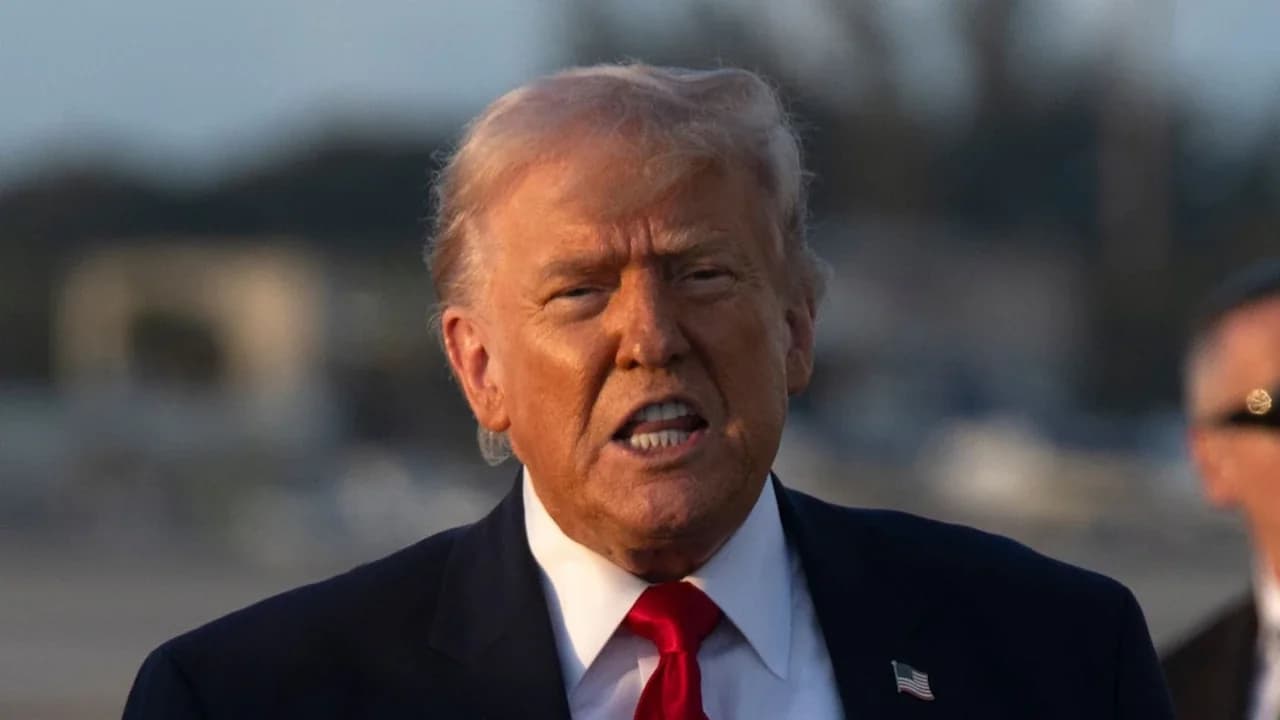
President Donald Trump has privately told senior aides he could end the U.S.-Iran war without securing a nuclear agreement if Tehran fully reopens the Strait of Hormuz, according to reports from the Wall Street Journal. The report, citing U.S. officials, indicates Trump is considering a strategic pivot away from his previously stated nuclear objectives. However, the White House has not publicly confirmed this change, with its latest published Iran remarks from July 28 maintaining that Iran cannot obtain a nuclear weapon and warning that military options remain available if diplomacy fails. In recent weeks, Trump told senior aides privately that Tehran is 'likely unable to revive its nuclear work' after Operation Midnight Hammer caused heavy damage to Iran's nuclear infrastructure in June 2025. Trump believes the US has 'completed all of its military objectives against Iran' and his focus is 'securing the flow of the world's energy through the Strait of Hormuz' while keeping military options on the table should Iran further target ships. On Friday, Trump shared a social media post suggesting he had already won the Iran war, despite the absence of a nuclear agreement, while Vice President JD Vance indicated the US would continue pressuring Tehran to make long-term changes but could maintain the current approach if Iran did not agree.
Iran is seeking billions of dollars in U.S. payments, the withdrawal of American forces from the region, and an end to the U.S. naval blockade, as reported by the Wall Street Journal. Iranian officials have also demanded an end to sanctions, the release of frozen Iranian assets and compensation for war losses. According to Reuters, Tehran has separated its talks with Oman from a broader settlement with Washington, with Foreign Minister Abbas Araqchi stating an Iran-Oman agreement defining new shipping lanes is in 'final stages'. However, Iran's latest demands have made such an exit more difficult, with Mohammad Bagher Zolghadr, secretary of Iran's Supreme National Security Council, demanding the US would have to permanently end the war, withdraw its forces, lift the naval blockade and stop military action against Iran and its regional allies before Tehran would reopen the waterway, according to Iran's state news agency IRNA. Money remains a major obstacle, with Iran wanting billions of dollars in war reparations and the release of frozen assets, though Trump has said US taxpayers will not pay Iran, with an agreement potentially involving the release of some Iranian assets under conditions.
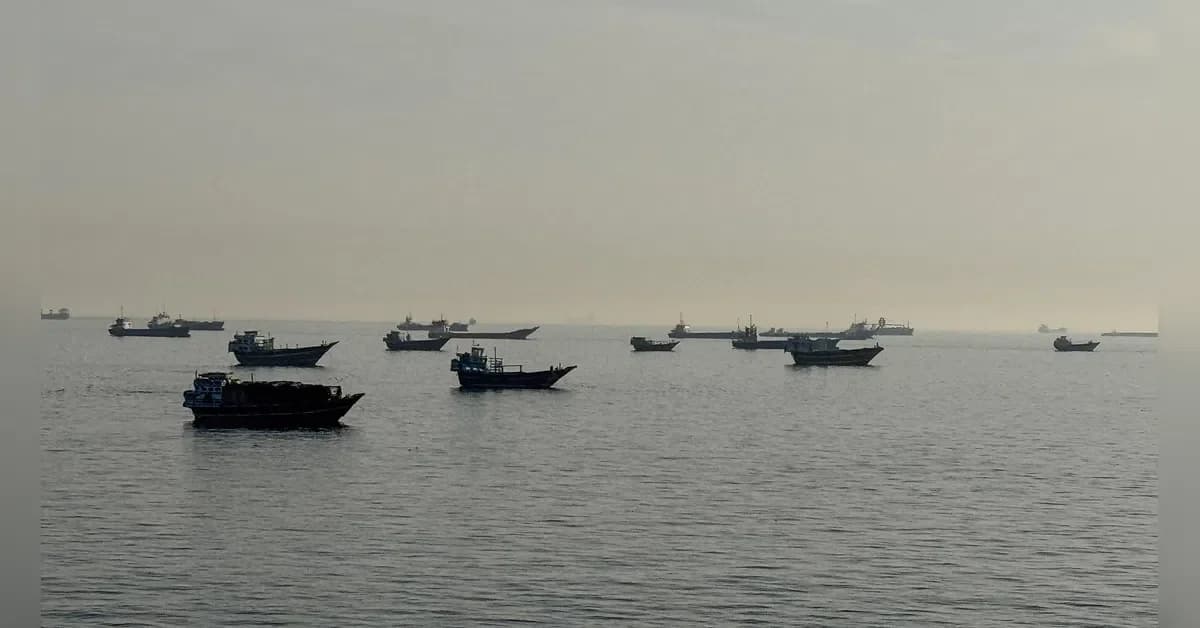
Brent crude settled at $83.55 Friday, up 1.3%, as traders awaited clearer Hormuz negotiations details, according to the Wall Street Journal. The Strait handled about one-fifth of global oil and liquefied natural gas shipments before the current disruption, making any durable reopening potentially significant for energy prices and transport costs. Most Gulf stock markets ended Sunday subdued while investors waited for clarity on the Oman-Iran arrangement, with Bitcoin trading near $65,184 amid ongoing geopolitical tensions. The situation has also raised concerns for the US administration as the midterm elections approach, with gasoline prices remaining higher than before the war began in late February. The disruption has slowed commercial shipping and triggered volatility in global oil markets, with Trump repeatedly saying the strait was open or close to being fully operational, though those claims have not been followed by a sustained return of normal shipping. The outlook deteriorated further over the weekend after the United Arab Emirates said Iran had launched a missile attack on one of its ships.
The nuclear question has remained at the centre of US-Iran tensions since April, when the White House warned that Tehran would never be allowed to obtain a nuclear weapon. Trump initially sought to make nuclear negotiations part of an agreement with Iran. However, the talks became difficult, prompting the White House to place greater emphasis on reopening the Strait of Hormuz. According to The WSJ, Trump has privately told senior aides in recent weeks that he believes Iran may be unable to restart its nuclear programme during his presidency after the US destroyed three major Iranian nuclear facilities in May 2025. The US President has also argued in meetings that US intelligence capabilities would detect any attempt by Iran to rebuild the facilities or secretly develop a nuclear weapon. If Iran keeps its nuclear programme under control and restores normal traffic through the Strait of Hormuz, Trump could allow the current ceasefire to continue indefinitely, with Washington potentially lifting its military blockade of Iranian ports. Trump has also downplayed concerns about Iran's buried uranium stockpile, stating during a July summit of the North Atlantic Treaty Organization that 'We've already got the nuclear material, because it's so far underground. Nobody's going to be able to get it except us.' The calculations could allow Trump to shift the focus away from securing a nuclear agreement if Iran agrees to restore shipping through the strait and the threat from its nuclear programme remains contained.
A U.S. official told Reuters that Washington would lift its blockade of Iranian ports once commercial shipping resumes without impediments, creating a sequencing problem where Washington wants shipping restored before lifting the blockade, while Iran says broader U.S. concessions must come first. The proposed arrangement also remains politically sensitive because it could give Tehran a role in controlling ships entering the Gulf, with U.S. officials repeatedly opposing Iranian control of Hormuz and mandatory tolls. The two sides also remain divided over whether Iran should be allowed to sell oil in international markets, with previous US waivers for Iranian oil sales withdrawn after the ceasefire collapsed. As reported by the Wall Street Journal, Trump is prepared to wait through negotiating difficulties as long as gasoline prices remain manageable, with the U.S. national average at $4.02 a gallon on Saturday, compared with $3.16 a year earlier. However, Iran has also sought to collect revenue from commercial vessels using the route, with US officials saying Washington has rejected both Iranian restrictions and any attempt to impose tolls on shipping. Another point of contention is whether the US should grant sanctions waivers allowing Iran to sell oil on international markets, with Washington having agreed to such waivers last June as part of an interim peace arrangement that later collapsed.
Iran's recent hardline demands for reopening the strait make it increasingly difficult for the president to manufacture a face-saving off-ramp from the conflict, according to experts. 'The Iranians fully believe Trump wants out and is focused on opening the strait, which is why they are playing hardball,' said Gregory Brew, an Iran expert at the Eurasia Group consulting firm. However, the Strait of Hormuz will not reopen until the United States 'corrects its behavior,' Islamic Revolutionary Guard Corps (IRGC) commander Mohammad Bagher Zolghadr announced on Friday in a message publicized by the Islamic Republic of Iran Broadcasting (IRIB). Zolghadr laid out six conditions under which, by Iran's consideration, the US would be correcting its behavior: end all aggression against Iran, Lebanon, Palestine, Yemen, and Iraq forever; never verbally threaten Iran; lift its naval blockade and withdraw all naval and air forces; pay for the damages of the wars against Iran; lift all sanctions against Iran; and release all frozen Iranian assets. Meanwhile, Trump spoke optimistically about the end of the war with Iran during the signing of an executive order in the White House on Thursday, stating 'I think it's going to end pretty soon' and adding 'I don't think they [Iran] can go much longer.' Regarding the Strait of Hormuz and a rumored deal to reopen the waterway, Trump said that the strait is 'sort of open right now.' 'You know, we have a thing called the blockade, headed up by the US Navy, and we control it,' he said, 'But they can always shoot something.'