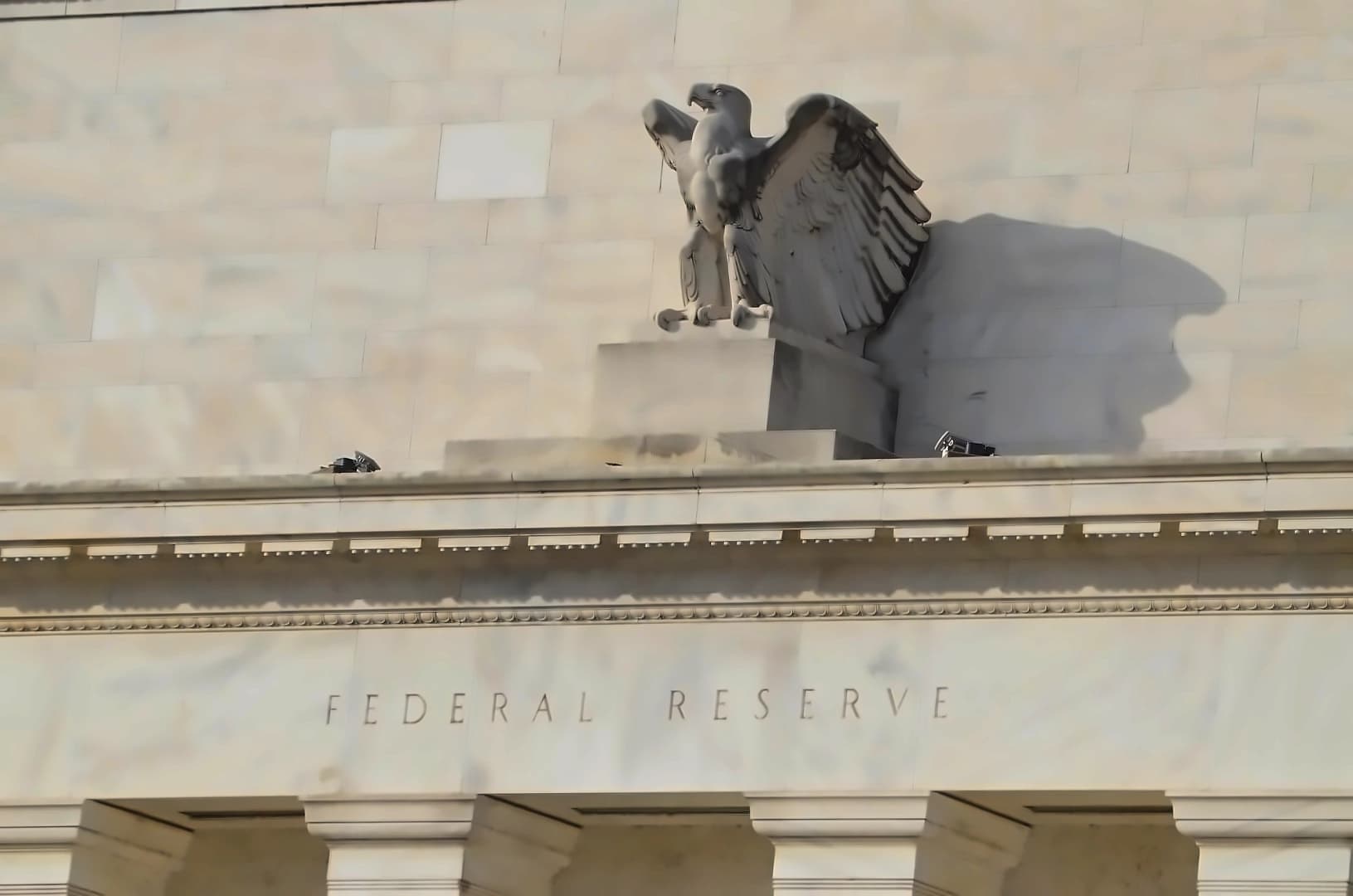
The Federal Reserve has released two comprehensive GENIUS Act proposals on September 24, 2026, establishing detailed requirements for payment stablecoin issuers and bank applications. The 60-day public comment period begins after Federal Register publication, with the proposals covering both insured state member bank applications and operating requirements for supervised issuers. Under the new framework, insured state member banks seeking Fed approval for subsidiary stablecoin issuance must maintain a minimum of $5 million in initial capital during their first three years of operation, indexed to nominal U.S. GDP. The 120-day decision timeline starts after the Fed determines the application is substantially complete, with a 2% capital charge on uninsured reserve deposits that could reach $20 million on a $1 billion exposure. For issuers exceeding $10 billion in outstanding coins, the Fed proposes a 360-day transition period to federal supervision or the option to halt net new issuance.
On September 1, Bank of America, Citi, Goldman Sachs and 18 other financial institutions committed to establish a stablecoin company, according to a September report on the bank consortium. The group targeted a U.S. dollar token in the first half of 2027 and said it intended to meet applicable GENIUS Act requirements. However, the consortium's announced plan does not establish that the venture would use the Fed application route described in the new proposals. The Fed's draft also addresses applications involving multiple banks in a stablecoin consortium, including whether a single filing could cover participating insured state member banks in some circumstances. The consortium's announced plan represents evidence of a planned venture, not confirmation that its eventual entity will apply through the Fed's insured state member bank route.
The Trump administration has drafted sanctions targeting the International Criminal Court (ICC) that would bar most transactions with the institution, according to reports from the Wall Street Journal. The measures would follow a six to seven month wind down period and would represent the first time Washington targets the court as an institution rather than its staff. The campaign rests on Executive Order 14203, signed in February 2025, which declared a national emergency over the court's investigations of American and Israeli nationals. The sanctions follow the arrest warrants issued in November 2024 for Israeli Prime Minister Benjamin Netanyahu and former defense minister Yoav Gallant over alleged war crimes in Gaza.
The International Criminal Court's response to potential sanctions has focused on open source software rather than cryptocurrency, as reported by various sources. The court is reportedly dropping Microsoft for openDesk, a German open source workplace platform built for public bodies. Bitcoin's decentralized nature means it cannot be frozen on chain, but regulated exchanges and banks still screen the same OFAC list, with Washington sanctioning entire platforms. The dollar holds 57.13% of allocated central bank reserves in the first quarter of 2026, according to IMF data, with assets designed to sit outside the dollar system now answering to the same sanctions list.