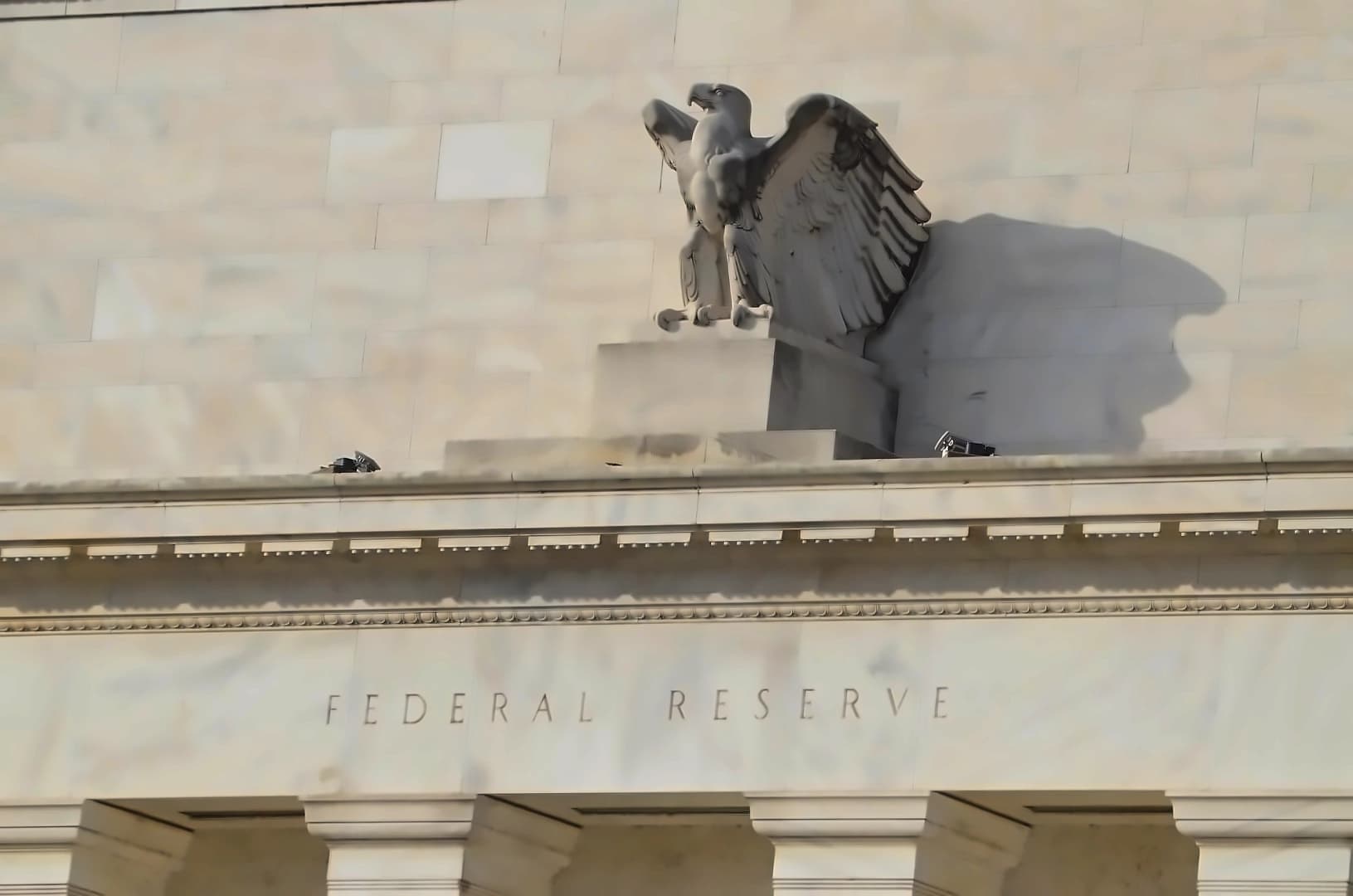
The Federal Reserve Board published an updated proposal for a 'skinny' master account on Wednesday, building on its initial request for information published in December 2025. According to reports from CoinDesk, the updated proposal lays out how the central bank envisions granting fintech and crypto firms access to its payment rails without requiring them to be full-fledged, Office of the Comptroller of the Currency-chartered banks. The proposal addresses the crypto industry's integration with the broader federal payments system, which has been a key goal for the industry.
President Donald Trump signed 'Integrating Financial Technology Innovation into Regulatory Frameworks' executive order on May 19, 2026, during his second term in office. As reported by Ballotpedia, this comprehensive order establishes a 90-day review period for federal financial regulators to identify regulations that could be updated to facilitate innovation and competition for fintech firms, particularly small and emerging companies. The order directs the Federal Reserve Board to complete actions described in section 3, including conducting a comprehensive evaluation of legal frameworks governing access to Reserve Bank payment accounts and services by uninsured depository institutions and non-bank financial companies.
The BSA-focused executive order directs the U.S. Treasury Department and regulators to issue guidance to banks and other entities regarding illicit financial activities. According to CoinDesk, Trump's order stated the administration will not tolerate national security risks from illicit cross-border financial activity or risks to the financial system from extending credit to inadmissible alien populations. The order includes an advisory noting payroll tax evasion, shell companies, and strategic use of unregistered money services businesses to facilitate off-the-books wage payments.
The Senate Banking Committee voted to advance the Clarity Act just over a week ago, but the timeline for final passage has been complicated by legislative priorities. As reported by CoinDesk, the Senate left town for Memorial Day recess without voting on a reconciliation bill to fund the Department of Homeland Security, limiting available floor time. With only 19 working days in June and 15 in July, the Senate must address reconciliation, Foreign Intelligence Surveillance Act renewal, and possibly a housing bill, potentially delaying Clarity Act consideration.